

While the menstrual cycle is a natural part of women’s lives, for some, it can be a miserable experience due to heavy bleeding. It can leave you feeling tired, stressed, and stuck at home due to unbearable pain and worry of leaking. If your periods are heavier or longer than usual, then you are not alone. According to the CDC, heavy menstrual bleeding affects millions of women each year. However, there are natural remedies that can help you reduce discomfort.
In this blog, we are going to discuss these natural remedies and ways that you can try at home and small, simple daily habits that can help you significantly.
Table of Contents
What Exactly Is Heavy Menstrual Bleeding?
In medical terms, heavy menstrual bleeding is known as “menorrhagia.” A healthy menstrual cycle involves losing about 25-80 milliliters of blood over a period of three to seven days. In simple words, 80 milliliters is about five tablespoons of liquid.
However, it’s not possible to measure your menstrual blood in milliliters for most people at home unless you are using a menstrual cup with volume markings. That’s why healthy agencies and medical experts recommend identifying day-to-day symptoms to determine which period can be called “heavy.”
Below, I have provided some symptoms that can help you recognize if you are experiencing a heavy menstrual cycle.
- You need to change your pad or tampon every 1–2 hours or empty your menstrual cup more often than usual.
- You feel the need to use two products at once (like a tampon and a pad) to avoid leaks.
- Your period lasts longer than 7 days without stopping.
- You pass large blood clots, about the size of a coin or bigger.
- You have to wake up at night to change your pad or tampon.
- You often bleed through your protection and stain your clothes or bedsheets.
- Your period makes it hard to do normal daily things like work, school, or even simple activities.
If you are experiencing several symptoms from these, you are most likely having a heavier menstrual cycle. Over time, losing too much blood can lead to other health issues. You should get proper medical care ASAP.
What Causes Heavy Menstrual Bleeding?
The causes are numerous. In many cases, these result from structural issues within the uterus, such as:
- Uterine fibroids or polyps are noncancerous growths in the uterus that can cause heavy bleeding.
- Endometriosis and adenomyosis are conditions where tissue similar to the lining of the uterus grows outside the organ or into its muscular walls, which can lead to significant pain and very heavy menstrual cycles.
- Polycystic Ovary Syndrome (PCOS) is a hormonal disorder that can stop ovulation and cause the lining of the uterus to thicken. This lining then sheds during a very heavy period.
Other times, a thyroid issue, a side effect of certain medicines (like blood thinners), or an underlying bleeding disorder like von Willebrand disease can also be the cause. In fact, testing for bleeding disorders is often recommended for teenagers who experience severe heavy bleeding right from their very first period.
Why You Shouldn’t Ignore Heavy Menstrual Bleeding
Heavy menstrual bleeding is more than a tough period. It can affect your energy, your mood, and your focus, which can significantly affect your lifestyle. Many women deal with the stress of leaking, cramps, and constant tiredness. Over time, it can cause serious health problems like anemia and iron deficiency. This is why you should pay close attention to it.
The sooner you notice its symptoms, the easier it is to manage the problem and protect your health in a better way. Several natural remedies and habits can assist you in managing this condition effectively. Let’s look at what you can do at home.
Best Diet Tips That May Help Stop Heavy Menstrual Bleeding
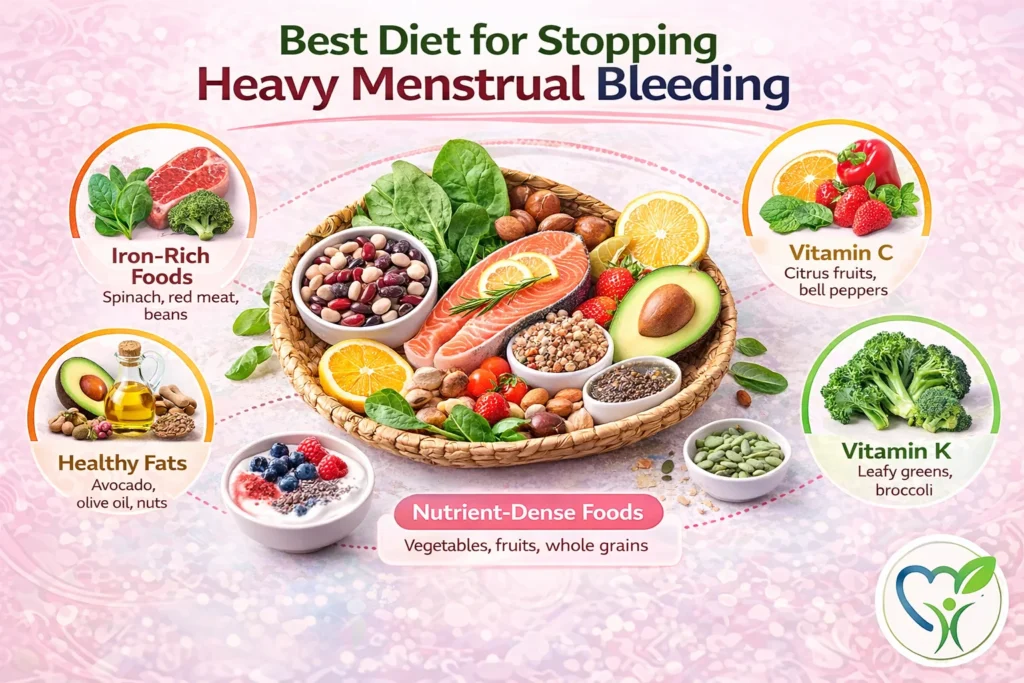
Eating healthy food can help you with many health issues, and heavy menstrual bleeding is also one of them. When you have heavy bleeding during periods, your body loses more iron and other nutrients. Focusing on what you eat can help you significantly. You should focus more on:
Iron-rich foods:
Because heavy bleeding can lead to iron deficiency, try to eat more iron-rich foods. Lean red meat, poultry, seafood, beans and lentils, dark leafy greens such as kale and spinach, and fortified cereals are some of the best sources.
Iron helps your body make hemoglobin (the oxygen-carrying part of the blood), and replacing losses can prevent or improve anemia.
Vitamin C:
Vitamin C doesn’t directly help with bleeding, but it improves iron absorption. According to the NIH, vitamin C “improves the absorption of nonheme iron” (the kind in plants). That’s why you should eat iron-rich foods with vitamin C. For example, you can squeeze lemon on spinach, drink orange juice with your cereal, or snack on bell peppers, strawberries, or broccoli. This helps your body use iron more efficiently in foods.
Bioflavonoids:
These plant compounds also help to support blood vessel health. You can find these in berries, citrus fruits, peppers, tea, chocolate, and other foods. Bioflavonoids and vitamin C both help make the walls of capillaries stronger. Research shows that vitamin C and bioflavonoids can help stop bleeding by making weak capillaries stronger. Eating whole fruits and vegetables gives you both.
Omega-3 fatty acids:
Certain fats can make your bleeding worse. But omega-3 fats can help with the balance of hormones and inflammatory chemicals. Fatty fish like salmon or mackerel, flax seeds, chia seeds, and walnuts are some of the best sources of omega-3 fatty acids. Over time, increasing these in your diet might help to reduce bleeding.
Other nutrients:
Other important nutrients are vitamin K and vitamin B. Vitamin K can help with blood clotting, and vitamin B complexes can help to balance hormones. Make sure to eat a balanced diet with plenty of vegetables, whole grains, fruits, and lean protein. It can help to improve your overall health over time.
Stay hydrated:
Dehydration can cause your blood to become slightly thicker, making blood loss feel heavier. That is why you should drink plenty of water to stay hydrated. Herbal teas can help relieve cramps and keep you hydrated. Ginger tea, in particular, has anti-inflammatory properties that may help to reduce heavy bleeding.
By focusing on what you eat, you can manage blood loss and make periods less taxing on your body. These steps can help you manage heavy menstrual bleeding.
Natural Herbs That May Help Stop Heavy Menstrual Bleeding
Some natural herbs and supplements are known to reduce bleeding or cramps. While these will not help you immediately, over time, they can make a significant difference. Some of the best options are:
- Ginger (Zingiber officinale):
Ginger is a warming root that is known to ease period cramps. It blocks prostaglandins, the chemicals that cause uterine muscle contractions. According to a clinical trial, taking ginger capsules significantly reduces menstrual blood loss. In everyday terms, ginger tea or capsules can help to lighten flow and reduce pain. Always choose quality products or fresh ginger tea.
- Chasteberry (Vitex agnus-castus):
This herb has been known for its use for menstrual disorders for years. Vitex works on the pituitary gland to help balance hormones, and it also mildly boosts progesterone effects. In European medicine, it’s known for treating irregular periods. While vitex takes time, it certainly helps to regulate the menstrual cycle. If you want to try Vitex, start taking it 1–2 weeks before your periods start and be patient for the results.
- Pomegranate (Punica granatum):
In traditional Persian medicine, pomegranate flower is used for heavy menstrual bleeding. While its supplement may be hard to find other than in specialist shops, you can try drinking unsweetened pomegranate juice or extracts. Consult your doctor first if you are on some medication.
- Astringent herbs (yarrow, shepherd’s purse, etc.):
Astringent herbs are rich in tannins that contract tissues and reduce bleeding. Yarrow, lady’s mantle, shepherd’s purse, and tormentil (bistort) are some examples. These have been used for centuries to reduce heavy flow. At home, you can use a cup of yarrow or raspberry leaf tea during periods. It can reduce bleeding and soothe cramps.
- Cinnamon and Chamomile:
According to studies, cinnamon can reduce menstrual bleeding and pain. And chamomile tea is also known to relax your muscles and reduce bleeding and cramps. Sipping daily a cup of chamomile or cinnamon tea when heavy periods are coming can soothe and lighten the flow. Both are safe and can help you over time.
- Vitamin C and Bioflavonoids:
As we already know, vitamin C makes capillaries stronger, and bioflavonoids reduce heavy flow. You can take supplements of both of these. But it is recommended that you focus more on food.
- Omega-3 supplements:
Again, as we know, omega-3 fatty acids help with heavy menstrual bleeding. You can take its specific supplements, but again, focusing on food is more recommended. Always discuss with your doctor first if you have other health issues.
Keep in mind to only use small amounts of herbs or supplements. Natural remedies can also have side effects. But for a lot of women, these gentle treatments can help with symptoms in a safe way.
Simple Lifestyle Changes That May Stop Heavy Menstrual Bleeding
Other than nutrition, herbs, and supplements, certain lifestyle habits can help significantly with heavy menstrual bleeding.
- Regular Exercise:
Regular physical activity can help to balance hormones and improve blood flow. According to one study, being physically active on a regular basis reduces the risk of heavy menstrual bleeding by approximately 10% when compared to those who are not. Try to be more physically active, but in moderation.
- Maintain a Healthy Weight:
We know that being overweight or obese can make your periods heavier. Hormones can be affected by fat tissue. That’s why eating well and exercising can help with symptoms by keeping a healthy weight.
- Manage Stress:
Stress can affect your hypothalamus-pituitary-ovarian axis, the hormone control center, and chronic stress can contribute to irregular or heavy menstruation cycles. Trying relaxation techniques such as gentle yoga, deep breathing, exercise, or other stress-coping activities can help. While the opinions are mixed, many women find lowering stress helpful.
- Good Sleep:
Try to sleep for at least 7-9 hours each night. Enough sleep is a very important part of your overall health. Poor sleep can affect hormones like cortisol and insulin, which indirectly affect menstrual cycles.
- Avoid Too Much Caffeine and Alcohol:
You should avoid consuming too much caffeine and alcohol because it can make you dehydrated and might worsen your period cramps or mood. You can replace them with unsweetened tea or coconut water, which can help ease symptoms of heavy menstrula bleeding.
- Heat and Comfort:
During your menstruation cycle, using a heating pad or taking a warm bath can help you to relax your uterine muscles and reduce cramps. It indirectly makes your flow smoother. While it may not directly reduce bleeding, it can make you feel more comfortable.
- Avoid NSAID Overuse:
While using pain-relieving medicines like ibuprofen helps you reduce bleeding and pain, you should avoid using them too much. And it will be a good idea to talk with a doctor first.
When Natural Remedies Are Not Enough: Signs to See a Doctor
Heavy periods might ease with natural remedies. However, if things stay bad, going to a healthcare provider is recommended. Having one of these signs? That’s your sign to go to a doctor.
- A soaking pad or tampon every hour.
- Passing large blood clots
- Feeling dizziness, weakness, or a sensation of fainting
- Constant fatigue and tiredness
- Trouble breathing or shortness of breath
- Menstrual cycles that are becoming too heavy or lasting longer than usual
Something serious might hide behind heavy bleeding—fibroids, hormone shifts, or problems with blood clotting. Spotting the source sooner means better care later. When trying natural fixes, still mention every herb or pill to your healthcare provider. A few of those could bring more harm than help.
what will er do for heavy menstrual bleeding
If you go to the emergency room (ER) for heavy menstrual bleeding, the medical team will focus on stopping the bleeding, stabilizing your condition, and finding the cause.
What the ER may do:
- Check vital signs (blood pressure, pulse) to see if you are stable
- Blood tests to check hemoglobin levels and look for anemia
- Ask how often you are changing heavy menstrual bleeding pads or tampons
- IV fluids if you are dehydrated or weak
- Give medications to slow or stop bleeding (like hormonal treatment or tranexamic acid)
- Pain relief if needed
- In severe cases, a blood transfusion may be required
When to go to ER:
- Soaking through heavy menstrual bleeding pads every hour
- Feeling dizzy, faint, or very weak
- Passing very large clots
The ER will manage the emergency, but you may need follow-up care with a gynecologist for long-term treatment.
The Bottom Line
It can be hard to deal with heavy menstrual bleeding, but healthy eating, herbal support, regular physical movement, and good rest are some natural remedies that can help you manage it. If things don’t get better, you should listen to your body and see a doctor to get the right treatment. You might even be able to stop the heavy bleeding with natural remedies and medical care.
FAQs
1. What are the common signs of heavy menstrual bleeding?
Bleeding for more than 7 days, soaking through heavy menstrual bleeding pads or tampons too quickly, needing to change heavy menstrual bleeding pads frequently, passing large blood clots, and feeling extremely tired or weak are some of the most common signs of heavy menstrual bleeding.
2. Can home remedies really help with heavy periods?
Yes, home remedies can help you feel better and support your body. To help with heavy menstrual bleeding, you can eat foods high in iron, drink ginger tea, get enough sleep, deal with stress, and stay active.
3. Which foods may help during heavy periods?
Eating foods that are high in iron, vitamin C, and protein can help. Spinach, beans, lentils, oranges, eggs, fish, and lean meat are all good choices.
4. Can I take supplements for heavy menstrual bleeding?
Yes, you can. But keep in mind that supplements aren’t good for everyone. Before you start anything new, you should always talk to a doctor, especially if you have a health problem.
5. How can I track my heavy periods at home?
Start by noting the number of days your period runs each month. Try recording how many times a day you swap out a pad and if clots show up. Tracking makes it easier to notice any pattern, which can help during medical treatment.

Olivia Reed
Women's Health & Skincare Writer
Better Health Focus
Expertise
Women's Health • Skincare • Hormonal Health • Beauty & Skin Science • Preventive Wellness • Healthy Aging • Nutrition for Skin Health • Lifestyle Medicine • Evidence-Based Health Education
About Olivia Reed
Olivia Reed is a Women's Health & Skincare Writer at Better Health Focus, where she creates evidence-based educational content focused on helping readers better understand women's wellness, hormonal health, skincare, healthy aging, and preventive self-care.
Her writing combines scientific research with practical lifestyle guidance, making complex health and skincare topics easy to understand without relying on misleading beauty trends or unrealistic health claims. Olivia Reed believes that informed readers make better health decisions, and she strives to present balanced information that reflects current scientific evidence.
Before publishing an article, Olivia Reed reviews guidance and research from respected organizations, including the National Institutes of Health (NIH), PubMed, the World Health Organization (WHO), the American Academy of Dermatology (AAD), the American College of Obstetricians and Gynecologists (ACOG), the Office on Women's Health (OWH), and peer-reviewed medical journals whenever applicable.
Her work regularly explores women's hormonal changes throughout different life stages, skincare science, acne, eczema, pigmentation, menopause, nutrition for healthy skin, reproductive wellness, hair health, and evidence-based approaches to beauty and preventive healthcare.
Olivia Reed is committed to separating scientific evidence from social media trends and marketing claims, helping readers understand what current research supports—and where evidence is still emerging.
Education
Bachelor of Arts (B.A.) in Health Communication
Professional Development
- Continuing education in Women's Health and Skin Science
- Ongoing study of dermatology research and preventive healthcare
- Regular review of peer-reviewed publications related to dermatology, endocrinology, nutrition, women's health, and public health
- Continuous monitoring of clinical guidance from leading medical organizations
Areas of Focus
- Women's Health
- Hormonal Health
- Menstrual & Reproductive Wellness
- Pregnancy & Postpartum Education
- Menopause & Healthy Aging
- Skincare & Dermatology Education
- Acne, Eczema & Sensitive Skin
- Hair & Scalp Health
- Nutrition for Healthy Skin
- Preventive Health & Lifestyle Medicine
Editorial Standards
Every article written by Olivia Reed Ward follows the editorial standards of Better Health Focus and is developed using reputable medical references and current scientific literature whenever available.
Her editorial approach emphasizes:
- Evidence-based health education
- Scientific accuracy
- Balanced discussion of benefits, risks, and research limitations
- Clear, accessible language for everyday readers
- Responsible reporting without exaggerated claims
- Alignment with Google E-E-A-T principles for health content
Rather than promoting miracle treatments or viral beauty trends, Olivia Reed focuses on practical, research-informed guidance that supports informed decision-making and long-term wellness.
Research Sources
Articles may reference information from organizations and databases such as:
- National Institutes of Health (NIH)
- PubMed
- World Health Organization (WHO)
- American Academy of Dermatology (AAD)
- American College of Obstetricians and Gynecologists (ACOG)
- Office on Women's Health (OWH)
- American Academy of Pediatrics (AAP)
- U.S. Food & Drug Administration (FDA)
- Peer-reviewed scientific journals
Editorial Disclaimer
The information published by Olivia Reed Ward on Better Health Focus is intended for educational and informational purposes only. It should not replace professional medical advice, diagnosis, or treatment. Readers should consult a qualified healthcare professional or dermatologist regarding personal medical concerns, medications, skincare treatments, or significant health decisions.