

Finding out you have diabetes can feel scary after hearing many things from different people. Many questions arise, and the most commonly asked one is, “Which type of diabetes is worse?” It is important to know about your own condition to take care of your health.
But in reality, neither one of them is easier. While both affect how your body uses sugar (glucose), they hit your life in different ways. Instead of one being worse than the other, both of them are serious for different reasons. In this blog, we will know more about type 1 diabetes vs type 2 diabetes while considering every aspect to help you take better care of your own health.
Table of Contents
What Exactly Is Diabetes?
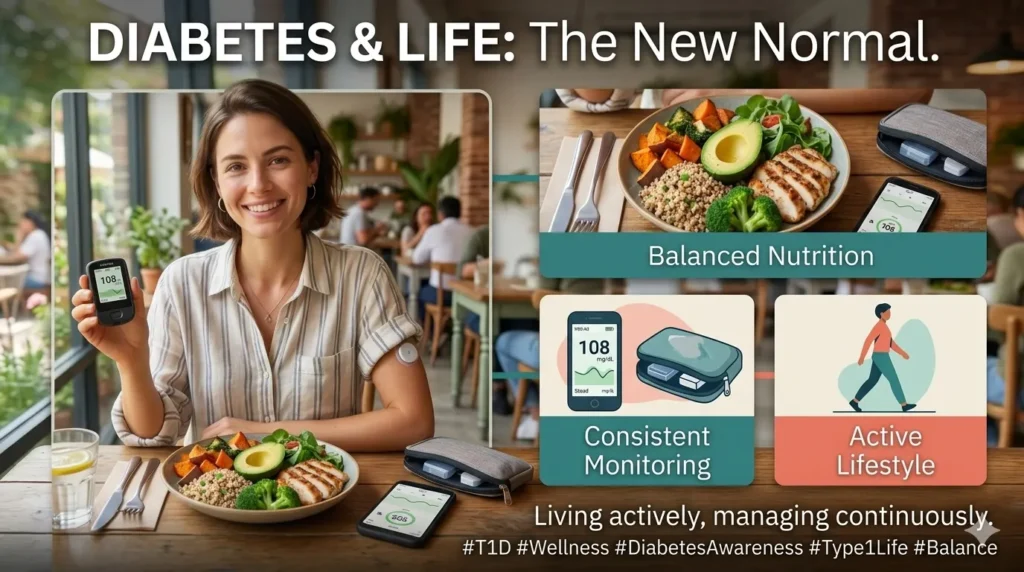
Before talking about which one is worse, let’s start with understanding what diabetes is and what it does to your body.
Basically, your body runs on energy produced from glucose (sugar). This sugar is from the food you eat, especially carbs. The bloodstream transports this sugar to every cell in your body. To use this sugar, your body uses a hormone called “insulin,” produced by the pancreas, which allows sugar to enter cells for energy production. This hormone (insulin) can be thought of as the key that opens cells to allow sugar to enter.
Under normal circumstances, insulin normally opens a lock on the cells, which lets sugar enter inside. However, in diabetes, this system doesn’t work as perfectly as before. There can be two reasons: either insulin is not being produced, or it’s being produced, but your body is not able to use it.
Type 1 Diabetes:
You could say that type 1 diabetes is an autoimmune disease. It means that your immune system, which is supposed to protect you from bad germs, gets confused and starts attacking the healthy cells in your pancreas.
Once your insulin-producing cells are destroyed, they won’t heal, and your body will stop producing insulin.
The Reality of Type 1 Diabetes:
- It’s not due to eating too many sugary things or not exercising enough. It is usually caused by genetics or other random triggers.
- There are no symptoms, and it often happens quickly, usually in kids, teens, or young adults.
- Because your body is unable to produce insulin naturally, people with type 1 diabetes have to take insulin through shots or a pump every single day to live without any issues.
Type 2 Diabetes:
Type 2 diabetes is a bit different. In this case, your body still makes insulin, but slowly your body stops responding to it as it used to respond before. This is called insulin resistance.
You can think of this condition like you have a key, but the lock is rusty and won’t open. Because sugar can’t enter cells, the pancreas keeps releasing insulin to balance blood sugar levels. And with time, your pancreas is not able to balance blood sugar levels.
The Reality of Type 2 Diabetes:
- About 90-95% of people with diabetes have type 2 diabetes.
- Unlike type 1 diabetes, type 2 develops slowly and is often found in adults, though now children are also being diagnosed.
- Everyone’s way of managing type 2 diabetes is different. Many manage it with healthy eating and more exercise. Some might need medicines or even insulin shots.
Quick Comparison of Both Types of Diabetes
| Feature | Type 1 Diabetes | Type 2 Diabetes |
| What’s happening? | The body makes no insulin. | The body doesn’t use insulin well. |
| Who does it affect? | Usually, children and teenagers. | Mostly adults, but others also. |
| Reason? | An autoimmune “glitch” where the body’s immune system attacks the pancreas. | A mix of factors like family history, body weight, and how active your daily lifestyle is. |
| Prevention | No known way to prevent it yet. | Can often be delayed or prevented. |
| Treatment | Must take insulin every day. | Lifestyle, oral meds, or insulin. |
In simple words, Type 1 diabetes is a blood sugar problem where your body doesn’t produce insulin, and Type 2 is when cells don’t respond to glucose as well as before. Both conditions result in affecting how your body manages blood sugar, which increases health risks.
Risk Factors for Both Types of Diabetes
For Type 1 Diabetes
Most common risk factors are things you can’t really change, such as
- Having a parent, brother, or sister with type 1 diabetes
- Certain genes linked to autoimmunity
- Younger age (it often appears in children, teens, or young adults)
According to the Centers for Disease Control and Prevention (CDC), there is currently no known way to prevent type 1 diabetes.
For Type 2 Diabetes
There are many modifiable and non-modifiable risk factors. According to the CDC, NIDDK, and American Heart Association, the common risk factors of type 2 diabetes include:
- Being overweight or obese
- Being physically active less than 3 times per week
- Age 45 or older
- Having a parent or sibling with type 2 diabetes
- History of gestational diabetes or giving birth to a baby weighing over 9 lb
- Having prediabetes
- Certain ethnic backgrounds (e.g., African American, Hispanic or Latino, American Indian, Alaska Native, some Asian and Pacific Islander groups)
Unlike type 1 diabetes, many of the risk factors of type 2 diabetes can be improved with healthy lifestyle changes, although your genes still play an important role.
The Main Question is, Which Is Worse, Type 1 Diabetes or Type 2?
When people are asking, which is worse, type 1 diabetes or type 2 diabetes?, they are probably thinking about 2 things: how to manage everyday blood sugar and the risk of long-term health issues.
Why Some Say Type 1 Is “Worse”
Type 1 diabetes is often seen as a worse and riskier health condition because there is no relief for a single day. You have to replace your pancreas, counting every carb, checking blood sugar constantly, and giving your body the correct amount of insulin.
If you mess with any steps, you could face immediate danger. Many people might think, is type 1 diabetes a disability? The answer is yes. Under the law, it is considered a disability because it requires constant medical attention and management help to keep you safe and healthy.
Why Some Say Type 2 Is “Worse”
Type 2 diabetes is often called the “silent killer.” It can affect your health slowly, not even being able to notice it at first, which can damage your heart health and kidneys. There is also a lot of unfair “blame” and social stigma attached to this disease, which makes it feel heavier than you might think.
In short, Type 1 diabetes is a 24/7 balancing act, while Type 2 diabetes is a silent condition that is trickier to notice in the early stages.
What About Type 1.5 Diabetes?
Just when you think you have learned about diabetes, another type of diabetes pops up. Type 1.5 diabetes, medically known as LADA, which stands for “Latent Autoimmune Diabetes in Adults.” It is basically a slow version of Type 1 diabetes. Because it happens mostly in adults and slowly, most people mistake it for Type 2 diabetes at first.
Many people ask, can type 1.5 diabetes be reversed? The simple answer is no. Since it’s an autoimmune condition where your body is literally attacking its own insulin-making cells, you can undo this process or tell your immune system to stop. It’s different from Type 2 diabetes, where significant weight loss or diet changes can sometimes put the disease into remission. With type 1.5 diabetes, healthy habits are a great help for keeping you stable and might delay needs for insulin shots, but they won’t stop the main causes of this condition. It might seem like a combination of both type 1 and 2 diabetes, but it’s much more likely to be type 1 diabetes in the long run.
Famous Faces With Diabetes
When you get diagnosed with diabetes, it can feel like your world has suddenly shrunk. You might start to worry that you have to stop eating your favorite foods and won’t be able to do things anymore. But keep in mind that some big names are also fighting and are just like you.
If you look for a famous person with diabetes type 1, you will find out many inspiring stories:
- Nick Jonas:
I think you might know this well-known person also has type 1 diabetes. At the age of 13, the singer was told he had diabetes. He wears an insulin pump and puts on high-energy concerts all over the world. He even started a nonprofit called Beyond Type 1 to help other people.
- Sonia Sotomayor:
She is proving that diabetes doesn’t stop you from reaching the top of your profession and ambitions. This Supreme Court Justice has managed type 1 diabetes since she was a young child.
- Bret Michaels:
The rock legend has lived with type 1 diabetes since he was six years old. He’s a great example of how you can live a long, full, and very active life with a diabetic condition.
- Tom Hanks:
This actor has been very open about his journey. He’s shared how lifestyle choices and weight changes for movie roles played a part in his diagnosis and management of type 2 diabetes, which helps take some time off the ”shame” out of the discussion.
All these stories show that you can manage diabetes and become successful if you take care of yourself, set goals, and work hard.
Final Thoughts
The answer to the question, “Which is worse, type 1 diabetes or type 2?” is “neither of them is worse.” Both of them are different challenges to face. While in type 1 diabetes, you constantly have to keep track of everything from diet to insulin shots, type 2 diabetes is a slow and silent blood sugar threat that you have to stay active with, or you might have to deal with it for years.
You can’t chase one type of diabetes that is worse than others because they both are all harmful to your body. For better care and management, you should learn more about your body and its functions.
Frequently Asked Questions
Which is worse, type 1 diabetes or type 2?
Neither one of them is worse than the other one. They are both different, and how they affect each other is also different. Type 1 diabetes needs an immediate medical checkup because you need insulin to live through every single day. Whereas Type 2 diabetes is more of a silent threat that can damage your heart health and kidneys over many years if it isn’t caught in the early stages.
Is type 1 diabetes a disability?
Yes, you can think of type 1 diabetes as a disability under the Americans with Disabilities Act (ADA). This is because it affects the endocrine system and requires constant care. This status helps people receive proper and better support in their lives.
Can type 1.5 diabetes be reversed?
No, type 1.5 diabetes can not be reversed. Since it is an autoimmune disease, your body is attacking insulin cells. While you can’t reverse that attack, a healthy diet and exercise can help manage sugar levels and might delay the need for insulin shots.
How do I know if I’m a type 1 or type 2 diabetic?
Only a healthcare provider can confirm whether you have Type 1 or Type 2 diabetes through blood tests and medical evaluation. Type 1 often develops suddenly and requires insulin, while Type 2 usually develops gradually and is commonly linked to insulin resistance and lifestyle factors.
Does eating too much sugar cause type 1 diabetes?
Not really. Type 1 diabetes is caused by issues in the immune system, not from what you eat. While eating too many sugary things can lead to weight gain, which is a major risk factor for type 2 diabetes, it has nothing to do with getting type 1 diabetes.
What is the 3-hour rule in diabetes?
The 3-hour rule in diabetes often refers to checking blood sugar about 3 hours after a meal to understand how the body is processing glucose. It can help identify blood sugar spikes and support better diabetes management.
References & Sources
Centers for Disease Control and Prevention | CDC (.gov)

Daniel Brooks
Men's Health & Blood Sugar Writer
Better Health Focus
Expertise
Men's Health • Blood Sugar Management • Type 2 Diabetes Education • Prediabetes • Healthy Lifestyle • Nutrition • Metabolic Health • Preventive Wellness • Evidence-Based Health Content
About Daniel Brooks
Daniel Brooks is a Men's Health & Blood Sugar Writer at Better Health Focus, where he develops evidence-based educational content focused on men's wellness, blood sugar management, diabetes prevention, metabolic health, and healthy lifestyle habits.
With more than five years of experience writing health content, Daniel specializes in transforming complex medical research into practical, reader-friendly articles that help people better understand chronic disease prevention and long-term wellness. His work emphasizes realistic lifestyle changes, balanced nutrition, physical activity, and sustainable habits rather than quick fixes or unsupported health claims.
Daniel has completed professional education in Lifestyle Medicine through the American College of Lifestyle Medicine (ACLM) and has undertaken extensive independent study of evidence-based guidance, clinical recommendations, and educational resources published by the American Diabetes Association (ADA). His writing reflects current research and established best practices related to blood sugar management, diabetes prevention, cardiovascular health, and men's health.
Before publishing an article, Daniel reviews reputable medical literature and guidance from organizations including the National Institutes of Health (NIH), PubMed, the American Diabetes Association (ADA), the American Heart Association (AHA), the Centers for Disease Control and Prevention (CDC), and peer-reviewed scientific journals whenever applicable.
His goal is to help readers understand the science behind healthy living while making evidence-based information clear, practical, and accessible.
Education & Professional Development
- Professional education in Lifestyle Medicine through the American College of Lifestyle Medicine (ACLM)
- Ongoing study of evidence-based resources and clinical guidance published by the American Diabetes Association (ADA)
- Continuing education in nutrition science, metabolic health, and preventive medicine
- Regular review of peer-reviewed medical research and public health guidance
Areas of Focus
- Men's Health
- Blood Sugar Management
- Prediabetes Education
- Type 2 Diabetes Prevention
- Metabolic Health
- Heart Health
- Healthy Weight Management
- Nutrition & Healthy Eating
- Exercise & Lifestyle Medicine
- Preventive Health
Editorial Approach
Every article written by Daniel Brooks follows the editorial standards of Better Health Focus and is based on current scientific evidence from reputable medical organizations and peer-reviewed research whenever available.
His content is guided by the principles of:
- Evidence-based health education
- Scientific accuracy and transparency
- Balanced discussion of benefits, risks, and research limitations
- Clear and practical language for everyday readers
- Responsible reporting without exaggerated health claims
- Alignment with Google E-E-A-T principles for health content
Daniel believes that trustworthy health information should empower readers to make informed decisions in partnership with qualified healthcare professionals.
Research Sources
Daniel regularly consults information from:
- National Institutes of Health (NIH)
- PubMed
- American Diabetes Association (ADA)
- American College of Lifestyle Medicine (ACLM)
- Centers for Disease Control and Prevention (CDC)
- American Heart Association (AHA)
- U.S. Department of Agriculture (USDA)
- Office of Dietary Supplements (ODS)
- Peer-reviewed scientific journals
Editorial Disclaimer
The information published by Daniel Brooks on Better Health Focus is intended for educational and informational purposes only. It is not a substitute for professional medical advice, diagnosis, or treatment. Readers should consult a qualified healthcare professional before making decisions regarding medications, diabetes care, supplements, diet, or lifestyle changes.