

Diabetes is becoming more common in women, and it is often missed at first. From hormonal changes to pregnancy and aging, a woman’s body goes through many things that can affect her blood sugar levels. That’s why knowing about diabetes prevention tips is so important.
In this blog, we will discuss simple diabetes prevention tips for women, which can help you protect your health.
Table of Contents
Why Diabetes Prevention Matters More Than Many Women Realize
In the United States, according to the CDC, about 40.1 million people are dealing with diabetes, and this number includes those with diagnosed and undiagnosed diabetes. And around 18.9 million women have diabetes, and the number is still increasing. These numbers clearly state the importance of diabetes prevention.
For women, pregnancy, history of gestational diabetes, PCOS, family history, being overweight, and not being physically active can all be causes of prediabetes or type 2 diabetes. According to the CDC, prediabetes can be reversed if you notice it in the early stages.
Understanding these diabetes prevention tips can help you lower the risk even before you get it.
Understanding Primary Prevention in Diabetes
Before we discuss specific prevention tips, you should understand what professionals’ views on primary prevention in diabetes are.
In simple words, primary prevention means stopping a disease before it even starts to develop. In type 2 diabetes, this includes knowing about your risk factors, such as being overweight, having a family history of diabetes, or already being in the prediabetic stage, and taking proper action to reverse it or at least stop it from getting any worse. According to the CDC, more than 8 in 10 people with prediabetes don’t even know about it.
Fortunately, in most cases, type 2 diabetes is preventable. According to the NIH’s Diabetes Prevention Program (DPP), healthy lifestyle changes can reduce the risk of getting type 2 diabetes by 58%. By focusing on root causes rather than just dealing with symptoms, primary prevention helps you protect your health even before it gets bad.
5 Simple Everyday Diabetes Prevention Tips
1. Maintain A Healthy Weight
Carrying extra weight, especially around the belly area, is one of the major risk factors for developing diabetes. And maintaining a balanced body weight is one of the best ways to prevent or at least delay diabetes.
However, you don’t need a complete weight transformation. According to the CDC and NIDDK, losing about 5% to 7% of your body weight can delay or prevent type 2 diabetes. For example, if you weigh 200 pounds, then losing 10 to 14 pounds of weight can lower the risk of diabetes.
But remember, don’t go for quick results and focus on steady progress. Quick solutions such as harsh crash diets don’t last long and leave you feeling frustrated. That’s why you should choose a method you can follow in the long run.
How To Do It
You can simply start with simple weight loss habits like being more physically active, avoiding sugary and processed food, and reducing your portions. Over time, it will help you lower the risk of diabetes.
2. Stay Physically Active Most Days
Regular physical activity is the best way to maintain healthy blood sugar levels. When you stay more physically active, your body uses insulin more effectively, which keeps blood sugar in balance. It also helps to maintain a healthy weight. According to the CDC, an adult should do at least 150 minutes of moderate physical activity or 75 minutes of intense physical activity each week. Plus more than 2 days of muscle-strengthening exercises each week. Cycling, brisk walking, dancing, and swimming all count as being physically active.
There is no need for you to spend hours in the gym doing intense workout sessions. What matters most is being consistent with whatever you are doing. Even short sessions of physical movements are helpful. If you are a working professional and spend most of your day sitting at a desk, you should try to take a 5-10-minute walking break every hour. It can support better blood sugar management.
How to do it:
You can start by taking a 10-minute walk after every meal. Prefer taking the stairs or doing bodyweight exercises at home, like push-ups, squats, or planks. More than quantity, focus on consistency.
3. Eat Healthy Food
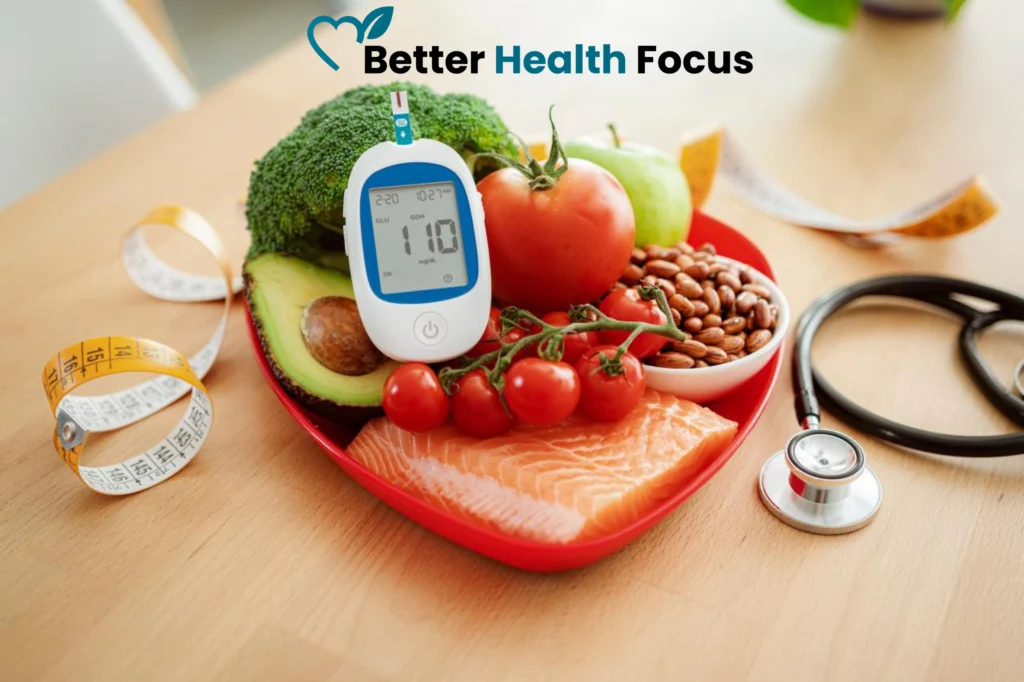
What you eat is important in diabetes prevention. According to the CDC, you should focus more on whole foods, more nonstarchy vegetables, more fiber-rich foods and more healthy fats and avoid refined grains and sugary or processed foods.
Fiber is especially helpful because it slows down the digestion process, which results in slow absorption of sugar in the bloodstream. It can help you feel full for a longer duration. Some of the best sources of fiber include lentils, vegetables, fruits, oats, beans, and whole grains.
However, this doesn’t mean you need a strict or expensive diet plan. Even a simple swapping of foods that easily fit in your routine is enough to start. For example, you can choose whole-grain bread instead of white bread, add beans to your soup or salad, or eat fruits and nuts as snacks instead of sugary options. These small changes are far easier to maintain than a strict diet plan.
How to do it:
Try to fill your plate half with vegetables, 1/4 with protein, and the remaining 1/4 with whole grains or high-fiber carbs. This simple habit of eating can make healthy eating very easy.
4. Sleep Well and Reduce Stress
Sleep and stress are overlooked, but they are also crucial for diabetes prevention. Not getting enough sleep and having constant stress can increase your blood sugar levels. In fact, the benefits of a regular sleep schedule for diabetes prevention and management are hard to ignore, as consistent sleep helps your body manage insulin and keep blood sugar more stable.
According to the CDC, an adult should sleep for at least 7 to 9 hours each night. Other than diabetes, poor sleep and a high level of stress can also cause other health issues like cognitive decline. The NIH reported that continuous sleep loss can increase insulin resistance in women, especially after menopause.
When stress stays high for a long time, it can affect insulin and blood sugar management. For many women, this becomes a never-ending cycle. Stress affects sleep, sleep affects food choices, and those bad choices lead to extra weight. That’s why managing stress becomes so important.
How to do it:
For better sleep, you can start by keeping a regular bedtime, avoiding the use of screens for 30-60 minutes before going to bed, and trying a relaxing routine before sleeping. To manage stress, you can try relaxing and calming practices like deep breathing, or anything else that calms you down can help manage stress.
5. Get Regular Checkups and Know Your Risks
For women, diabetes prevention is not just about following healthy habits. It is also important for them to know about their risk factors that are common in women. Being overweight, being 45 or older, having a family history, being less physically active, having had gestational diabetes, being pregnant, and having PCOS are some of these factors. According to the CDC, these factors increase the risk of prediabetes and type 2 diabetes.
That’s what makes regular checkups so important. Many people don’t even know that they have prediabetes for some time. A simple blood test can tell you any issues with blood sugar management in the early stage, which can help you prevent it.
How to do it:
Get scheduled your regular checkups and tests according to the recommendation of the doctor. Tell him everything about your health history, which can help him with treatment.
How To Prevent Diabetic Ketoacidosis If You Already Have Diabetes
While the diabetes prevention tips have focused on before you get diabetes, now you should also know what to do if you or someone else has already been diagnosed with diabetes. Now you have to prevent it from getting worse, such as the diabetic ketoacidosis (DKA) condition. While it commonly happens in type 1 diabetes, there is a chance in type 2 diabetes as well.
According to the experts, your best protection and prevention against DKA is being consistent with your medication. It will help keep your blood sugar in a healthy range. It is also important to be extra careful when you are not feeling well, as that can affect your blood sugar unpredictably.
If you do get sick or your blood sugar is 250 mg/dL or above, you should check your levels every 4-6 hours and test urine for ketones. If you experience these symptoms, you should definitely go to the doctor:
- Extreme thirst or a very dry mouth
- Urinating much more than usual
- A distinct, fruity smell to your breath
- Nausea, vomiting, or stomach pain
- Fast, deep breathing or severe exhaustion
If your blood sugar is continuously high, you have trouble breathing, or you are vomiting. Without waiting, you should visit a doctor for proper medical help.
The Bottom Line
Taking care of your health now is the best act of self-care you can do. These diabetes prevention tips for women are perfect and research-based to help you in this act and maintain good health for a long time.
You don’t need perfection. Just stay consistent with these habits, and you can prevent diabetes or at least slow it down. If you already have diabetes, these habits can stop it from getting worse. These diabetes prevention tips are your best natural defense.
Frequently Asked Questions
What does it mean to stop the condition before it starts?
When you hear about primary prevention in diabetes, it means catching symptoms and taking actions before diabetes has developed. The above-mentioned diabetes prevention tips for women help you prevent it or at least slow it down with simple lifestyle changes.
Does fasting prevent diabetes?
Many women wonder, does fasting prevent diabetes? But there is no definite answer to this. While fasting does help with weight loss, there is no guarantee that it will help with diabetes.
Are there any vitamins to prevent diabetes I should take?
While there is no single perfect vitamin to prevent diabetes, there are some that can help to control blood sugar. However, you should only take any vitamin after talking to a doctor and remember that these can’t replace a healthy lifestyle.
Is it really possible to cure or reverse diabetes naturally?
While researching, you might come across books like The Diabetes Code: Prevent and Reverse Type 2 Diabetes Naturally, but there is no shortcut for the cure of diabetes. While in some cases, healthy habits and changes can help to prevent or at least slow down diabetes, you have to stay consistent.
What are the first signs of diabetes in a woman?
Feeling extremely thirsty, frequent urination, feeling tired, and blurry vision are some of the first signs of diabetes in women. Yeast infections are also very common in women, which can be ignored.
What if I already have diabetes?
If you already have a diabetes condition, protecting yourself from getting worse is very important. Knowing how to prevent diabetic ketoacidosis (DKA) is very important because it’s a common complication in type 2 diabetes. The best protection is to stay consistent with a healthy lifestyle and your treatment to maintain balanced blood sugar levels.
References & Sources
Centers for Disease Control and Prevention
NIH’s Diabetes Prevention Program (DPP)

Olivia Reed
Women's Health & Skincare Writer
Better Health Focus
Expertise
Women's Health • Skincare • Hormonal Health • Beauty & Skin Science • Preventive Wellness • Healthy Aging • Nutrition for Skin Health • Lifestyle Medicine • Evidence-Based Health Education
About Olivia Reed
Olivia Reed is a Women's Health & Skincare Writer at Better Health Focus, where she creates evidence-based educational content focused on helping readers better understand women's wellness, hormonal health, skincare, healthy aging, and preventive self-care.
Her writing combines scientific research with practical lifestyle guidance, making complex health and skincare topics easy to understand without relying on misleading beauty trends or unrealistic health claims. Olivia Reed believes that informed readers make better health decisions, and she strives to present balanced information that reflects current scientific evidence.
Before publishing an article, Olivia Reed reviews guidance and research from respected organizations, including the National Institutes of Health (NIH), PubMed, the World Health Organization (WHO), the American Academy of Dermatology (AAD), the American College of Obstetricians and Gynecologists (ACOG), the Office on Women's Health (OWH), and peer-reviewed medical journals whenever applicable.
Her work regularly explores women's hormonal changes throughout different life stages, skincare science, acne, eczema, pigmentation, menopause, nutrition for healthy skin, reproductive wellness, hair health, and evidence-based approaches to beauty and preventive healthcare.
Olivia Reed is committed to separating scientific evidence from social media trends and marketing claims, helping readers understand what current research supports—and where evidence is still emerging.
Education
Bachelor of Arts (B.A.) in Health Communication
Professional Development
- Continuing education in Women's Health and Skin Science
- Ongoing study of dermatology research and preventive healthcare
- Regular review of peer-reviewed publications related to dermatology, endocrinology, nutrition, women's health, and public health
- Continuous monitoring of clinical guidance from leading medical organizations
Areas of Focus
- Women's Health
- Hormonal Health
- Menstrual & Reproductive Wellness
- Pregnancy & Postpartum Education
- Menopause & Healthy Aging
- Skincare & Dermatology Education
- Acne, Eczema & Sensitive Skin
- Hair & Scalp Health
- Nutrition for Healthy Skin
- Preventive Health & Lifestyle Medicine
Editorial Standards
Every article written by Olivia Reed Ward follows the editorial standards of Better Health Focus and is developed using reputable medical references and current scientific literature whenever available.
Her editorial approach emphasizes:
- Evidence-based health education
- Scientific accuracy
- Balanced discussion of benefits, risks, and research limitations
- Clear, accessible language for everyday readers
- Responsible reporting without exaggerated claims
- Alignment with Google E-E-A-T principles for health content
Rather than promoting miracle treatments or viral beauty trends, Olivia Reed focuses on practical, research-informed guidance that supports informed decision-making and long-term wellness.
Research Sources
Articles may reference information from organizations and databases such as:
- National Institutes of Health (NIH)
- PubMed
- World Health Organization (WHO)
- American Academy of Dermatology (AAD)
- American College of Obstetricians and Gynecologists (ACOG)
- Office on Women's Health (OWH)
- American Academy of Pediatrics (AAP)
- U.S. Food & Drug Administration (FDA)
- Peer-reviewed scientific journals
Editorial Disclaimer
The information published by Olivia Reed Ward on Better Health Focus is intended for educational and informational purposes only. It should not replace professional medical advice, diagnosis, or treatment. Readers should consult a qualified healthcare professional or dermatologist regarding personal medical concerns, medications, skincare treatments, or significant health decisions.