
Introduction
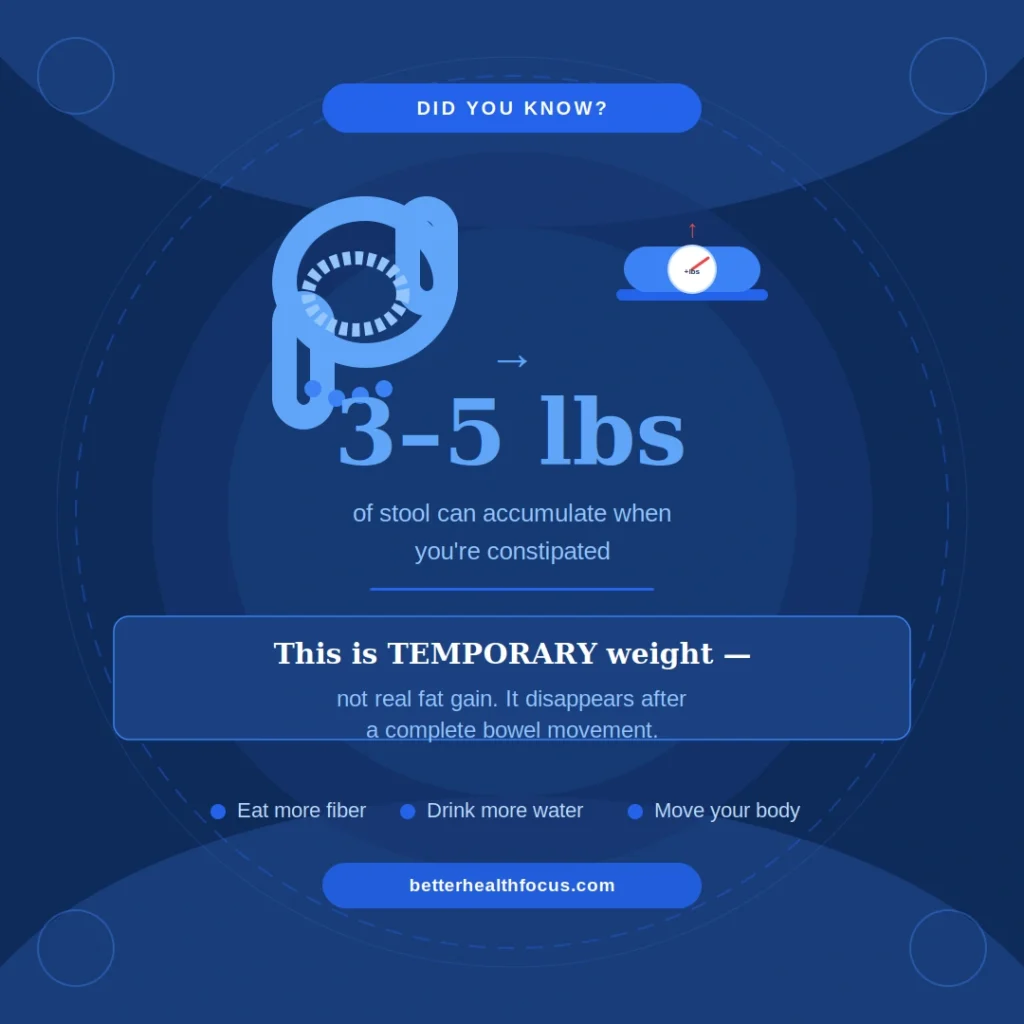
You step on the scale after a few days of not going to the bathroom and notice you’re suddenly a few pounds heavier. Sound familiar? If you’ve ever wondered, “Can constipation cause weight gain?” — you’re not alone. Millions of people ask this question every day.
The short answer is: yes, but it’s mostly temporary. Constipation can cause the number on your scale to rise, but this isn’t the same as gaining body fat. Understanding the relationship between constipation and weight gain can help you take the right steps to feel better and get back on track. According to research published in BMC Gastroenterology, chronic constipation affects approximately 24% of the adult population using Rome III diagnostic criteria — making it one of the most common gastrointestinal complaints worldwide (Palsson et al., 2020).
In this comprehensive guide, we’ll cover everything you need to know — from whether constipation will make you gain weight, to whether conditions like bacterial overgrowth can cause weight gain, and exactly what you can do about it.
What Is Constipation?
Before we dive into the connection between constipation and weight, let’s define what constipation actually is.
Constipation is clinically defined as having fewer than three complete bowel movements per week. However, because everyone’s digestive rhythm is different, what feels “normal” varies from person to person. For some people, going twice a day is their baseline. For others, going a few times per week is perfectly normal.
Beyond infrequent trips to the bathroom, constipation can also involve:
- Hard, dry, or lumpy stools
- Straining or pain during bowel movements
- A feeling of incomplete emptying
- Abdominal bloating or discomfort
- A feeling of fullness or pressure in the lower abdomen
Constipation can be occasional or chronic. When it becomes a long-term issue, it can significantly impact your quality of life — and, as we’ll explore, your weight. According to the National Institute of Diabetes and Digestive and Kidney Diseases (NIDDK), constipation is among the most frequent gastrointestinal problems in the United States, accounting for around 2.5 million doctor visits per year. Research from StatPearls (NIH) also notes that constipation is significantly more common in women than men, and that 30–40% of adults over age 65 report it as a persistent problem.
Can Constipation Cause Weight Gain?
Yes — but the weight gain is almost always temporary.
Here’s what’s really happening when you’re constipated and the scale ticks upward:
When you haven’t had a bowel movement in several days, the waste material in your gastrointestinal tract accumulates. This waste still has weight and volume, even after digestion is complete. On average, fecal matter weighs between 2.5 ounces and 1 pound, and in some people, this can translate to 3–5 pounds of stool per day. According to Healthline (medically reviewed by Dr. Megan Soliman, MD), the contents of your gastrointestinal tract — including undigested food, water, and stool — are all captured in your scale reading, which is why constipation can cause a temporary spike in bodyweight without any true fat gain.
When you weigh yourself on a standard bathroom scale, it captures the weight of everything in your body — including the contents of your intestines. So if you’re constipated, the buildup of stool in your system can register as extra weight on the scale.
But here’s the key: this is not fat gain. It’s simply the physical weight of waste that hasn’t yet left your body. Once you have a complete bowel movement, that temporary weight typically disappears.
So can constipation lead to weight gain in a permanent sense? Not directly. But there are important indirect links that we’ll cover next.
Does Constipation Cause Weight Gain Long-Term?
While constipation itself won’t make you gain body fat, the same lifestyle factors that cause constipation can also cause long-term weight gain. This is the deeper connection that most people miss.
Here’s how:
1. Low-Fiber Diet
A diet low in fiber is one of the most common causes of constipation. Fiber keeps your stools soft, adds bulk, and helps food move through your digestive system efficiently.
But a low-fiber diet is also typically high in processed foods, refined carbohydrates, added sugars, and saturated fats — all of which are associated with weight gain. These foods are calorie-dense, easy to overeat, and lack the nutrients your body needs to function optimally. If you’re looking to improve your diet to address both constipation and weight, check out our Best Diet Plan for Weight Loss Beginners for a practical starting point.
So when someone eats a low-fiber diet, they’re simultaneously setting themselves up for both constipation and weight gain — not because one causes the other, but because they share the same root cause. According to a narrative review of meta-analyses published in the Journal of the American Association of Nurse Practitioners (McRorie, 2020), fiber supplementation has been shown to significantly improve stool consistency, frequency, and gastrointestinal transit time — directly addressing constipation symptoms. A separate study in Nature Reviews Gastroenterology & Hepatology (Gill et al., 2021) further confirmed that dietary fiber from whole foods like wholegrains, legumes, vegetables, and fruits has consistent, clinically meaningful benefits on gut health and bowel regularity.
2. Sedentary Lifestyle
Physical inactivity is another major cause of both constipation and weight gain. Exercise stimulates the muscles in your colon, helping move waste through your digestive tract more efficiently. When you’re sedentary, your digestive system slows down — contributing to constipation. If you’re not sure where to start, our guide on the Best Exercises for Weight Loss covers beginner-friendly options that benefit both your gut health and your waistline.
At the same time, a lack of movement means fewer calories burned, a slower metabolism, and less muscle mass — all of which contribute to weight gain over time. According to a 2024 systematic review on physical activity and constipation published in the Journal of Neurogastroenterology and Motility, regular physical activity (particularly moderate aerobic exercise) can reduce constipation risk by up to 45–48% compared to sedentary behavior. A 2025 study published in Scientific Reports (Fujita Health University) found that gut motility increased significantly within just 1–2 minutes of walking — demonstrating how even short bouts of movement can directly stimulate bowel function.
3. Dehydration
Not drinking enough water dries out your stools, making them harder to pass and contributing to constipation. Dehydration can also slow down your metabolism, making it harder for your body to burn calories efficiently.
Adequate water intake is essential for both regular bowel movements and healthy weight management. Some research even suggests that increased hydration can support weight loss by improving metabolic function. According to a study published in Frontiers in Nutrition (Bothe et al., 2017), increased water intake was positively associated with improvements in body weight and metabolic outcomes, supporting hydration as a dual-purpose strategy for both constipation management and weight control.
4. Chronic Stress
Stress triggers the release of cortisol, your body’s primary stress hormone. Elevated cortisol levels slow digestion (a known cause of constipation) and also encourage fat storage, particularly around the abdominal area.
Additionally, chronic stress often leads to emotional eating and cravings for high-calorie, low-fiber comfort foods — which contributes to both constipation and weight gain simultaneously. According to research published in PubMed (Vicennati et al., 2009), women who experienced stress-related obesity showed significantly elevated 24-hour urinary cortisol levels compared to controls, demonstrating how chronic cortisol elevation directly drives fat storage and weight gain. A separate study in Obesity Reviews (Hewagalamulage et al., 2016) found that high cortisol responders ate more in response to stress, had impaired metabolic signaling, and showed greater predisposition to obesity — confirming the biological pathway between stress hormones and weight gain.
Will Constipation Make You Gain Weight? (Scale vs. True Weight)
It’s worth being clear about the difference between scale weight and true weight gain.
- Scale weight refers to the total weight measured by your bathroom scale, which includes everything in your body — water, food, waste, and fat.
- True weight gain refers to an actual increase in body mass, primarily in the form of fat or muscle.
Constipation can cause scale weight to go up — sometimes by 2–5 pounds — but this is not true weight gain. Think of it as a temporary “holding pattern.” Once your bowels move and the accumulated waste exits your system, your scale weight will return to its baseline.
This is why it’s important not to panic if you notice your weight is up during a bout of constipation. The number will come down.
Can Bacterial Overgrowth Cause Weight Gain?
This is a question that’s gained a lot of attention in recent years, especially as our understanding of the gut microbiome has grown. Can bacterial overgrowth cause weight gain? The answer is: it may play a role.
Small Intestinal Bacterial Overgrowth (SIBO) is a condition in which bacteria that normally live in the large intestine migrate to and multiply in the small intestine. SIBO is closely linked to constipation because an imbalance in gut bacteria can disrupt normal bowel motility — slowing down the movement of waste through the digestive tract. We cover this topic in much greater depth in our dedicated articles: Can SIBO Cause Weight Gain? and Can Bacterial Overgrowth Cause Weight Gain?
Here’s how bacterial overgrowth may contribute to weight gain:
- Increased calorie extraction: Some research suggests that certain gut bacteria are more efficient at extracting energy (calories) from food. An overgrowth of these bacteria could mean your body absorbs more calories from the same amount of food.
- Inflammation: Bacterial overgrowth can trigger low-grade systemic inflammation, which has been linked to insulin resistance and metabolic dysfunction — both of which can contribute to weight gain.
- Bloating and water retention: SIBO often causes significant bloating and gas, which can add visible inches to the waistline and contribute to temporary scale weight.
- Altered hunger hormones: An imbalanced microbiome may affect the hormones that regulate appetite, such as ghrelin and leptin, potentially leading to increased hunger and overeating.
While research is still evolving, there’s growing evidence that the health of your gut microbiome plays an important role in weight management. If you suspect bacterial overgrowth — particularly if you experience chronic constipation, bloating, and unexplained weight changes — it’s worth discussing with a healthcare provider. According to a meta-analysis published in Obesity Surgery (Fialho et al., 2019), the risk of SIBO was found to be approximately two times higher in individuals with obesity compared to those without — and three times higher when focusing on studies from Western countries — suggesting a bidirectional relationship between bacterial overgrowth and excess body weight. A 2024 review in Nutrition (Knez et al.) further confirmed a direct connection between SIBO, gut dysmotility, and constipation, noting that a malfunctioning gastrointestinal motor complex — resulting in longer food retention in the gut — is the primary driver of excessive fermentation and bacterial overgrowth.
Constipation and Weight Gain: The Bloating Factor
One thing that often gets confused with weight gain during constipation is bloating. When waste builds up in your colon, gas also accumulates, causing your abdomen to swell and feel distended.
This bloating can make you look and feel heavier, and your clothes may fit more snugly around the midsection. But bloating is not the same as fat gain — it’s gas and fluid accumulation that will resolve once your digestion normalizes.
To distinguish bloating from true weight gain, notice whether:
- Your abdomen feels hard or tight (more likely bloating)
- The swelling fluctuates throughout the day (more likely bloating)
- The change appeared suddenly over days rather than weeks (more likely bloating)
Can Constipation Cause Water Retention?
Constipation doesn’t directly cause water retention, but the two often occur together because they share similar root causes.
Dehydration, a poor diet (especially high in sodium), and lack of exercise can all trigger both constipation and water retention. When you don’t drink enough water, your body’s fluid balance is disrupted — making it hard to flush out excess fluids, which accumulate in your tissues, causing puffiness and temporary weight gain.
High-sodium diets also contribute to both conditions. Sodium causes the body to hold onto extra water to maintain electrolyte balance, resulting in water weight. These same salty, processed foods are typically low in fiber — the key nutrient that keeps constipation at bay.
How Much Weight Can Constipation Add?
The amount of temporary weight constipation adds depends on how long you’ve been constipated and your individual body.
On average:
- Fecal matter alone can weigh 0.25 to 1 pound at any given time
- Severe or prolonged constipation can accumulate 3–5 pounds of stool in the colon
- Bloating and water retention associated with constipation can add another 1–3 pounds
Combined, it’s entirely possible for constipation to cause a temporary scale increase of 4–8 pounds. This can be alarming if you don’t understand what’s causing it — but reassuring to know it will resolve.
How to Relieve Constipation and Reduce the Scale Weight
Here are the most effective strategies to relieve constipation, reduce bloating, and get your digestive system moving again:
Increase Your Fiber Intake
Fiber is the most important nutrient for regular bowel movements. There are two types:
- Soluble fiber softens stools by absorbing water. Found in oats, apples, berries, sweet potatoes, and legumes.
- Insoluble fiber adds bulk and speeds up transit time. Found in whole grains, leafy vegetables, nuts, seeds, and fruit skins.
Aim for 25–38 grams of fiber per day, depending on your age and gender. Increase your intake gradually to avoid gas and bloating. Pairing high-fiber foods with adequate protein also helps regulate appetite and support a healthy weight — see our High Protein Diet Plan for Weight Loss for a complete nutritional approach.
Drink More Water
Water is essential for keeping stools soft and moving smoothly through your digestive system. Aim for at least 8 cups (2 liters) of water per day. If you’re exercising or in a hot climate, you may need more.
Warm liquids — such as hot water with lemon or herbal tea — can also help stimulate bowel movements in the morning.
Exercise Regularly
Physical activity stimulates the muscles in your colon, helping move waste through your digestive tract more quickly. Even a 30-minute walk after meals can significantly improve bowel regularity and support healthy weight management. If you prefer working out at home, our Home Workout Plan for Weight Loss is a great place to start. You can also explore the benefits of different training styles in our Cardio vs Strength Training for Weight Loss guide, or try our HIIT Workout for Weight Loss at Home if you’re short on time.
Don’t Ignore the Urge to Go
Resisting the urge to use the bathroom causes your colon to absorb more water from your stool, making it harder and more difficult to pass. Over time, repeatedly ignoring this urge can reduce the sensitivity of your bowel signals and worsen chronic constipation.
When nature calls, answer it.
Manage Stress
Since stress is a common trigger for both constipation and weight gain, finding effective ways to manage it can benefit both. Consider:
- Meditation or mindfulness practice
- Deep breathing exercises
- Regular physical activity
- Adequate sleep
- Journaling or therapy
Consider Probiotics
If bacterial imbalance is contributing to your constipation, probiotics may help. Probiotic-rich foods like yogurt, kefir, sauerkraut, and kimchi introduce beneficial bacteria into your gut and can help restore a healthy microbiome balance.
Try a Fiber Supplement or Laxative
If dietary changes aren’t enough, an over-the-counter fiber supplement (like psyllium husk) or a gentle laxative can help get things moving. Always follow dosage instructions and drink plenty of water alongside them.
Long-Term Prevention: Stopping Constipation and Weight Gain Before They Start
The best way to break the cycle of constipation and weight gain is to address their shared root causes:
- Eat a high-fiber, whole-food diet rich in vegetables, fruits, legumes, and whole grains
- Stay consistently hydrated throughout the day
- Move your body daily — even light activity makes a difference
- Limit processed, high-sugar, and high-sodium foods
- Prioritize sleep — poor sleep disrupts gut health and metabolism
- Support your gut microbiome with probiotic and prebiotic foods
- Manage stress as a regular part of your wellness routine
When to See a Doctor About Constipation
Occasional constipation is common and usually not a cause for concern. However, you should speak to a healthcare provider if:
- Constipation has lasted more than one week
- You notice blood in your stools
- You experience significant abdominal pain or cramping
- You have unexplained weight loss alongside constipation
- You experience nausea or vomiting
- Your bowel habits have changed suddenly without a clear reason
Chronic constipation can be a symptom of underlying conditions such as hypothyroidism, diabetes, IBS, inflammatory bowel disease, or even colorectal issues. A doctor can help identify the cause and recommend appropriate treatment.
Frequently Asked Questions
Can constipation cause weight gain overnight?
Yes, constipation can cause your scale weight to go up overnight, but this is temporary. It reflects the weight of accumulated waste in your intestines, not true fat gain.
Will constipation make you gain weight permanently?
No. Constipation on its own does not cause permanent weight gain. However, the lifestyle factors that cause constipation — such as a poor diet and sedentary habits — can contribute to long-term weight gain if not addressed.
Does constipation cause a big belly?
Constipation can cause bloating and gas that makes your belly appear larger or feel distended. This is uncomfortable but is not fat gain. It typically resolves once your bowel movements normalize.
Can constipation lead to weight gain in children?
Yes, children can experience temporary scale weight increases from constipation, just as adults do. A diet with more fiber and fluids usually helps resolve the issue.
How do I lose constipation weight fast?
Having a complete bowel movement is the most direct way to lose constipation-related weight. Drinking warm water, eating high-fiber foods, and walking can all help stimulate bowel movements. For faster relief, a gentle over-the-counter laxative may help.
Can bacterial overgrowth cause weight gain?
Yes, SIBO (Small Intestinal Bacterial Overgrowth) may contribute to weight gain by increasing calorie extraction from food, promoting inflammation, and disrupting hunger hormones. If you suspect SIBO, consult a healthcare provider for proper testing and treatment. Read our full guide: Can Bacterial Overgrowth Cause Weight Gain?
Conclusion
So, can constipation cause weight gain? The direct answer is: constipation causes temporary scale weight increases due to accumulated waste — but it doesn’t cause true fat gain on its own. The more important takeaway is that constipation and weight gain often share the same underlying causes: a low-fiber diet, inadequate hydration, physical inactivity, and chronic stress.
By addressing these root causes — eating more fiber, drinking more water, moving your body, and managing stress — you can resolve constipation, support healthy digestion, and maintain a healthy weight simultaneously. For a full action plan, explore our Best Diet Plan for Weight Loss Beginners and Best Exercises for Weight Loss to get started today.
If you’re struggling with chronic constipation or unexplained weight changes, don’t hesitate to reach out to a healthcare professional. Getting to the root of the problem is always the best path forward.
References & Sources
National Institute of Diabetes and Digestive and Kidney Diseases

Noah Ross
Health & Wellness Writer
Better Health Focus
Expertise
Weight Management • Gut Health • Nutrition • Metabolic Health • Healthy Lifestyle • Mental Wellness • Preventive Health • Dietary Supplement Research • Evidence-Based Health Education
About Noah Ross
Noah Ross is a Health & Wellness Writer at Better Health Focus, where he creates evidence-based educational content focused on helping readers make informed decisions about their health. His work covers weight management, gut health, nutrition, metabolism, preventive wellness, and healthy lifestyle strategies.
With a background in health communication, Noah specializes in translating complex medical research into clear, practical, and easy-to-understand articles. He believes reliable health information should be accessible to everyone without relying on sensational claims or misleading marketing.
Before publishing an article, Noah reviews scientific literature and guidance from respected health organizations, including the National Institutes of Health (NIH), PubMed, the World Health Organization (WHO), the Centers for Disease Control and Prevention (CDC), the Office of Dietary Supplements (ODS), and other peer-reviewed medical journals. His writing emphasizes transparency by distinguishing well-established scientific evidence from preliminary findings and promotional claims.
At Better Health Focus, Noah regularly researches topics related to digestive wellness, metabolism, healthy eating, blood sugar management, dietary supplements, weight loss strategies, healthy aging, and preventive healthcare. His content is designed to help readers understand both the potential benefits and limitations of current scientific evidence while encouraging realistic expectations and sustainable lifestyle habits.
Education
Bachelor of Arts (B.A.) in Communications
Professional Development
- Continuing education in Nutrition Science and Public Health
- Ongoing study of evidence-based medicine and clinical research
- Regular review of peer-reviewed research related to nutrition, metabolism, obesity, digestive health, and preventive medicine
- Continuous monitoring of updates from major public health organizations and medical research databases
Areas of Focus
- Weight Loss & Healthy Weight Management
- Gut Microbiome & Digestive Wellness
- Nutrition & Healthy Eating
- Blood Sugar & Metabolic Health
- Mental Wellness & Lifestyle Habits
- Preventive Health Education
- Dietary Supplement Reviews
- Evidence-Based Wellness Research
Editorial Standards
Every article written by Noah Ross follows the editorial standards of Better Health Focus. Content is developed using current scientific evidence, reputable medical references, and trusted public health resources whenever applicable.
Each article is written with a commitment to:
- Accuracy and factual reporting
- Evidence-based health education
- Transparent discussion of scientific findings
- Balanced coverage of benefits, risks, and research limitations
- Clear, reader-friendly language
- Compliance with Google E-E-A-T principles for health content
Noah avoids unsupported health claims, miracle cures, and exaggerated promises. When evidence is limited or still emerging, that uncertainty is clearly communicated so readers can make informed decisions based on the best available research.
Research Sources
Articles may reference information from organizations and databases such as:
- National Institutes of Health (NIH)
- PubMed
- World Health Organization (WHO)
- Centers for Disease Control and Prevention (CDC)
- Office of Dietary Supplements (ODS)
- U.S. Department of Agriculture (USDA)
- American Heart Association (AHA)
- Peer-reviewed scientific journals
Editorial Disclaimer
The information published by Noah Ross on Better Health Focus is intended for educational and informational purposes only. It should not be considered medical advice and is not a substitute for consultation with a qualified physician or other licensed healthcare professional. Readers should seek professional medical guidance before making decisions regarding diagnosis, treatment, medications, supplements, or significant lifestyle changes.