
Can bacterial overgrowth cause sibo weight gain?
It is not established as a direct cause of body-fat gain. Instead, bacterial overgrowth is more commonly associated with digestive symptoms such as bloating, gas, diarrhea and, in some cases, malabsorption and weight loss.
However, abdominal bloating can make the stomach look larger and may temporarily influence scale weight. This should not automatically be interpreted as an increase in body fat.
The digestive system contains a complex community of microorganisms that can influence digestion and overall gut health. To better understand this relationship, learn more about how the gut microbiome works.
The difference between bloating, temporary weight fluctuation and actual fat gain is important when evaluating changes in body weight.
Table of Contents
What Exactly Is Bacterial Overgrowth?
Bacterial overgrowth generally refers to an excessive number of bacteria in the small intestine. The condition is commonly called small intestinal bacterial overgrowth, or SIBO.
The digestive tract naturally contains microorganisms, but the small intestine normally has fewer bacteria than the colon. Several protective mechanisms help maintain this balance, including intestinal movement, stomach acid, bile and the normal flow of digestive contents.
When these mechanisms are disrupted, bacterial populations can increase in the small intestine. This may interfere with normal digestion and nutrient absorption.
Excess bacteria can also ferment carbohydrates and produce additional gas. As a result, people may experience bloating, abdominal discomfort, fullness, diarrhea or changes in bowel habits.
In more significant cases, SIBO can interfere with nutrient absorption and contribute to nutritional deficiencies and unintended weight loss.
The Surprising Truth About Bacterial Overgrowth and Weight Gain
The connection between gut health and body weight is often discussed online, but the relationship is more complicated than many headlines suggest.
A person experiencing bacterial overgrowth may notice bloating, abdominal pressure and a larger-looking stomach after meals. Clothing may feel tighter, and the scale may sometimes show a higher number.
If you are specifically interested in the relationship between SIBO and changes in body weight, read our detailed guide on SIBO and weight gain.
These changes can easily be interpreted as weight gain.
However, a larger abdomen does not necessarily mean that more body fat has accumulated.
Bloating is often caused by gas and distension inside the digestive tract. Changes in bowel contents and fluid balance can also affect short-term scale readings.
Medical sources generally associate SIBO with bloating, abdominal discomfort, diarrhea, malabsorption and unintended weight loss rather than directly causing body-fat gain.
This means someone can have digestive problems and gain weight at the same time, but the two events may not have the same underlying cause.
Weight can change because of many factors, including:
- Food intake
- Physical activity
- Sleep
- Fluid retention
- Constipation
- Hormonal changes
- Medications
- Metabolic conditions
- Lifestyle changes
- Other health conditions
Therefore, bacterial overgrowth should not automatically be considered the explanation for unexplained weight gain.
What Are the Causes of Bacterial Overgrowth?
Bacterial overgrowth can occur when the normal mechanisms that regulate bacteria in the small intestine are disrupted.
The digestive system is designed to move food and microorganisms through the intestines. When this movement slows or the structure of the intestine changes, bacteria may remain in the small intestine longer than normal.
1. Slow intestinal movement
Normal intestinal motility helps move digestive contents through the gastrointestinal tract.
When movement becomes slower, food and bacteria may remain in the small intestine for longer periods. This can create conditions that support excessive bacterial growth.
Certain medical conditions, including diabetes-related nerve problems, can affect intestinal movement and increase the risk.
2. Previous abdominal surgery
Some abdominal surgeries can change the structure or movement of the digestive system.
Surgical changes, adhesions or other complications may interfere with normal intestinal movement and increase susceptibility to SIBO.
3. Structural changes
Structural abnormalities may create areas where intestinal contents do not move normally.
Examples can include intestinal diverticula, adhesions, strictures and abnormal connections between parts of the digestive tract.
4. Digestive disorders
Some gastrointestinal diseases can interfere with normal intestinal function.
Conditions such as Crohn’s disease and celiac disease may increase the risk in certain individuals. Disorders that affect intestinal movement can also contribute.
5. Reduced protective mechanisms
Stomach acid and normal intestinal movement are among the body’s natural defenses against excessive bacterial populations.
When these mechanisms are impaired, bacterial populations may become more difficult to control.
Digestive symptoms can have many possible causes, so understanding common digestive problems can help put symptoms such as bloating and abdominal discomfort into context.
Can Bacterial Overgrowth Directly Cause Weight Gain?
Current clinical evidence does not establish bacterial overgrowth as a direct cause of body-fat gain.
This distinction is particularly important for people searching for answers about unexplained weight changes.
SIBO can interfere with normal digestion and nutrient absorption. In more severe cases, this may result in nutritional deficiencies and unintended weight loss rather than increased body fat.
So why do some people report feeling heavier?
Bloating is one possible explanation.
Excess bacteria can ferment carbohydrates and generate gas. The resulting abdominal distension can make the stomach look larger and cause temporary changes in how a person feels or how clothes fit.
The scale can also fluctuate because of food, fluids and bowel contents.
Bloating versus body-fat gain
These are different processes:
- Bloating: temporary abdominal expansion.
- Fluid changes: temporary changes in body water.
- Digestive contents: food and stool contributing to scale weight.
- Body-fat gain: increased stored adipose tissue.
A person may experience several of these at the same time, but one does not automatically prove the presence of another.
Why Can Bacterial Overgrowth Make You Look Heavier?
One of the clearest ways SIBO can affect appearance is through abdominal distension.
When excess bacteria ferment certain carbohydrates, gas may be produced. The accumulation of gas can contribute to abdominal fullness and discomfort.
Some people notice that their abdomen changes throughout the day.
For example, the stomach may appear relatively normal in the morning and become more distended after meals.
This pattern can create the impression of rapid fat gain even though the underlying change may be digestive distension.
It is also important to remember that bloating has many possible causes.
Food intolerances, constipation, IBS and other gastrointestinal disorders can all produce similar symptoms.
Therefore, abdominal enlargement alone is not enough to diagnose SIBO.
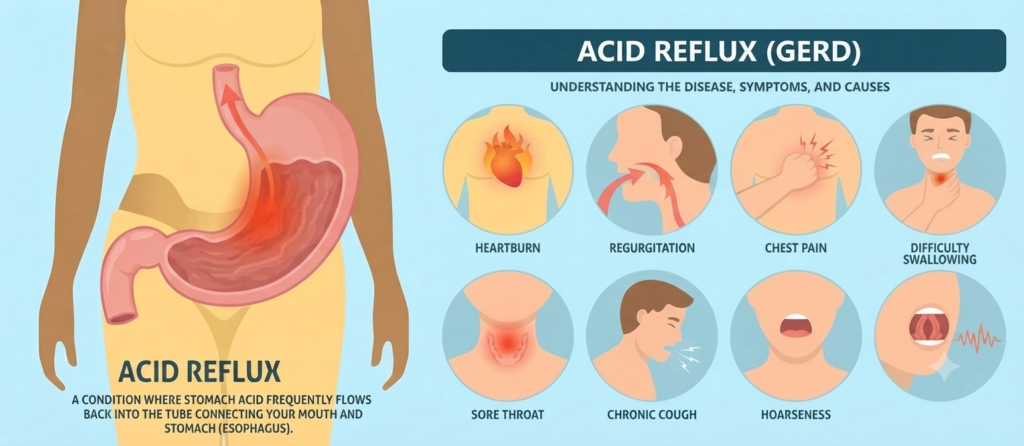
Can Bacterial Overgrowth Cause Bloating?
Yes. Bloating is a commonly reported symptom of SIBO.
Excess bacteria in the small intestine can ferment food components and produce gases. These gases may contribute to abdominal pressure, fullness and visible distension.
However, bloating is not specific to bacterial overgrowth.
Other potential causes include:
- Irritable bowel syndrome
- Constipation
- Lactose intolerance
- Other food intolerances
- Celiac disease
- Gastroparesis
- Other gastrointestinal disorders
Weight changes are influenced by several lifestyle factors, including nutrition and physical activity. A beginner-friendly diet plan for weight loss can provide a useful starting point for understanding healthy dietary habits.
Can Bacterial Overgrowth Affect Metabolism?
The digestive system and metabolism are connected, but they are not the same thing.
SIBO can affect digestion and nutrient absorption. Excess bacteria may consume certain nutrients and interfere with normal digestive processes.
In significant cases, these effects may contribute to nutritional deficiencies.
However, this does not mean the condition automatically slows metabolic rate and causes body-fat gain.
Metabolism is influenced by factors such as:
- Age
- Body composition
- Physical activity
- Genetics
- Hormonal function
- Energy intake
- Sleep
- Certain medications
- Medical conditions
Nutrition is one part of healthy weight management. For people looking for practical dietary strategies, a high-protein diet plan for weight loss can provide additional information.
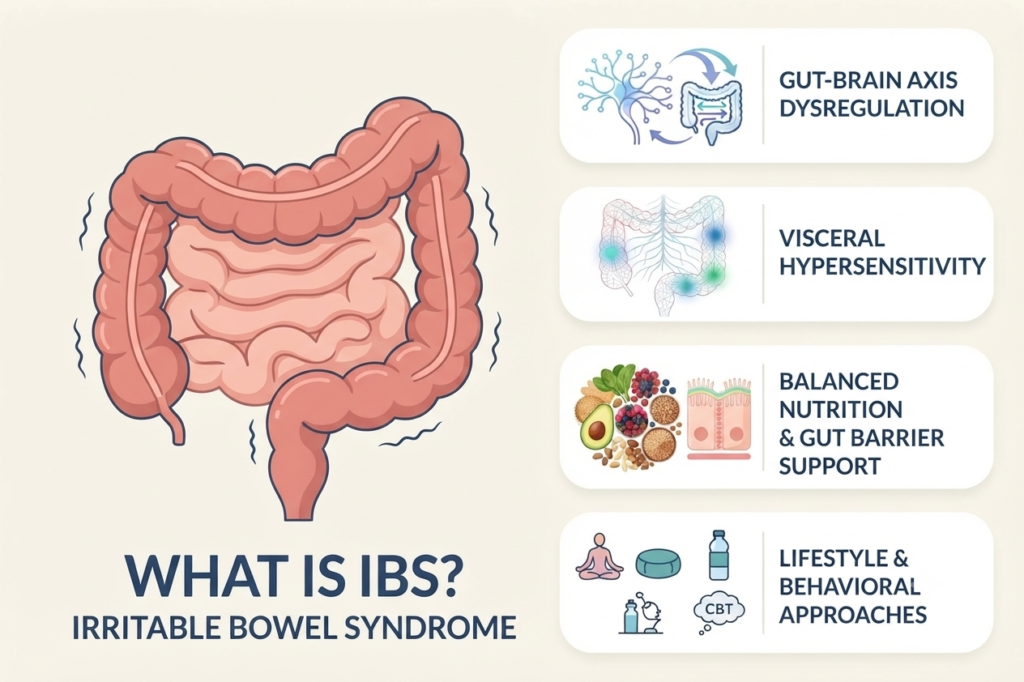
What Symptoms Can Bacterial Overgrowth Cause?
Symptoms can vary depending on the individual and the underlying cause.
Common symptoms include:
- Abdominal bloating
- Gas
- Abdominal discomfort
- Feeling unusually full
- Nausea
- Diarrhea
- Changes in bowel habits
- Reduced appetite
- Unintentional weight loss
Significant SIBO may also interfere with the absorption of certain nutrients.
When malabsorption becomes substantial, nutritional deficiencies can develop.
This is one reason unexplained weight loss combined with persistent digestive symptoms deserves medical attention.
Can bacterial overgrowth cause weight loss?
Yes. Significant SIBO can contribute to unintended weight loss when digestion and nutrient absorption are impaired.
This is different from saying that every person with SIBO will lose weight.
Symptoms and outcomes vary between individuals.
What Are the Risk Factors for Bacterial Overgrowth?
Several conditions can increase the likelihood of developing SIBO.
Important risk factors include:
- Previous gastrointestinal surgery
- Structural abnormalities
- Intestinal adhesions
- Crohn’s disease
- Celiac disease
- Diabetes
- Disorders affecting intestinal movement
- Scleroderma
- Certain intestinal abnormalities
- Previous abdominal radiation
A person’s risk depends on their overall health and the condition affecting normal intestinal function.
For this reason, identifying an underlying cause can be as important as addressing the bacterial imbalance itself.
How Is Bacterial Overgrowth Diagnosed?
Symptoms alone cannot reliably confirm SIBO.
Bloating, gas, abdominal discomfort and diarrhea occur in many digestive conditions.
Healthcare professionals may consider symptoms, medical history and risk factors before recommending testing.
Breath testing
A commonly used diagnostic approach is a breath test.
During testing, the person consumes a carbohydrate solution such as glucose or lactulose. Breath samples are then collected at specific intervals and analyzed for gases produced by microorganisms.
Breath testing is commonly used, although testing methods have limitations and results need to be interpreted within the broader clinical picture.
Why self-diagnosis can be misleading
Online symptom lists can make SIBO appear to explain almost any digestive problem.
That can lead people to self-diagnose without considering other causes.
For example, bloating may result from constipation or food intolerance, while weight gain may have an entirely separate cause.
A healthcare professional can help determine whether testing is appropriate.
Can Treating Bacterial Overgrowth Help With Weight?
If SIBO is confirmed, appropriate treatment may improve digestive symptoms.
Treatment is individualized and may involve prescription antibiotics and management of the underlying condition.
However, SIBO treatment should not be considered a guaranteed weight-loss method.
If abdominal enlargement is caused primarily by bloating, successful treatment may reduce abdominal distension.
On the other hand, if someone has gained body fat because of dietary intake, physical inactivity, medication effects or another health condition, treating SIBO would not necessarily reverse that fat gain.
The goal should therefore be accurate diagnosis and appropriate treatment rather than using bacterial overgrowth as a shortcut for weight management.
What Can You Do to Support Digestive Health?
Regular physical activity is another important part of overall weight management. Explore exercises that support healthy weight loss for more information.
1. Maintain a balanced diet
A varied diet can provide the nutrients needed for normal health. Major dietary restrictions should be discussed with a healthcare professional when medically necessary.
2. Stay physically active
Regular movement supports overall health and can benefit normal digestive function.
3. Drink enough fluids
Adequate hydration supports normal bowel function.
4. Track digestive symptoms
A simple food and symptom diary can help identify patterns.
Record meals, bloating, bowel movements and other noticeable symptoms.
5. Avoid unnecessary restrictive diets
Extreme diets can make it difficult to obtain enough nutrients and may not address the actual cause of digestive symptoms.
6. Be careful with supplements
Not every digestive supplement is appropriate for everyone.
Supplements and probiotics should not automatically be used as substitutes for proper diagnosis or medical treatment.
7. Address underlying conditions
If SIBO develops because of an underlying motility or structural problem, addressing that condition may be important for long-term management.
When Should You See a Doctor?
Persistent digestive symptoms should not simply be ignored.
Consider speaking with a healthcare professional if you experience:
- Persistent bloating
- Significant abdominal pain
- Repeated diarrhea
- Unexplained weight loss
- Repeated vomiting
- Major changes in bowel habits
- Signs of nutritional deficiency
- Symptoms after gastrointestinal surgery
Rapid unexplained weight loss deserves particular attention because it can have many possible causes.
Severe abdominal pain or other serious symptoms may require prompt medical evaluation.
Frequently Asked Questions
Can Bacterial Overgrowth Cause Belly Fat?
There is no strong evidence that SIBO directly causes belly-fat accumulation. It can cause bloating and abdominal distension, which may make the stomach look larger without increasing body fat.
Is Weight Loss More Common Than Weight Gain With SIBO?
Unintentional weight loss is a recognized complication of significant SIBO, particularly when malabsorption and nutritional deficiencies develop.
Can Bacterial Overgrowth Make Your Stomach Look Bigger?
Yes. Bloating and abdominal distension can make the stomach appear larger. However, other digestive conditions can cause similar changes.
Does Bacterial Overgrowth Slow Metabolism?
There is not enough evidence to conclude that SIBO directly slows metabolism in a way that causes body-fat gain.
Can Treating Bacterial Overgrowth Reduce Bloating?
If SIBO is confirmed and is responsible for the symptoms, appropriate treatment may improve bloating and other digestive symptoms.
Can Probiotics Fix Bacterial Overgrowth?
Probiotics should not be considered a guaranteed treatment for SIBO. Their usefulness can vary depending on the individual and the underlying digestive condition.
Is Bloating the Same as Weight Gain?
No. Bloating is abdominal fullness or distension, while body-fat gain involves increased stored fat tissue.
Can Bacterial Overgrowth Cause Weight Loss?
Yes. Significant SIBO can interfere with nutrient absorption and may contribute to unintended weight loss.
Should You Treat Bacterial Overgrowth for Weight Loss?
No. SIBO should not be treated as a weight-loss strategy. Diagnosis and treatment should focus on the digestive condition and its underlying cause.
Final Answer: Can Bacterial Overgrowth Cause Weight Gain?
Bacterial overgrowth can make a person feel heavier or look heavier because of bloating and abdominal distension, but it is not established as a direct cause of body-fat gain.
The better-established effects of SIBO involve digestive symptoms such as bloating, gas, abdominal discomfort, diarrhea and fullness. In more significant cases, impaired nutrient absorption may contribute to nutritional deficiencies and unintended weight loss.
The main reason people may confuse SIBO with weight gain is abdominal distension.
Gas produced during fermentation can expand the abdomen and make clothing feel tighter. Changes in bowel contents and fluid balance can also cause short-term fluctuations on the scale.
These changes are different from gaining body fat.
If you are experiencing both digestive symptoms and unexplained weight changes, consider other potential factors such as diet, activity, sleep, medications, fluid retention, constipation, hormonal factors and underlying medical conditions.
References & Sources
Mayo Clinic – SIBO Definition, symptoms, causes, weight loss
NIDDK – Gas in the Digestive Tract Gas, bloating and digestive symptoms
Merck Manual – SIBO Causes, malabsorption and complications
Mayo Clinic – SIBO Diagnosis & Treatment Testing and treatment
NIDDK – Treatment for Gas

Noah Ross
Health & Wellness Writer
Better Health Focus
Expertise
Weight Management • Gut Health • Nutrition • Metabolic Health • Healthy Lifestyle • Mental Wellness • Preventive Health • Dietary Supplement Research • Evidence-Based Health Education
About Noah Ross
Noah Ross is a Health & Wellness Writer at Better Health Focus, where he creates evidence-based educational content focused on helping readers make informed decisions about their health. His work covers weight management, gut health, nutrition, metabolism, preventive wellness, and healthy lifestyle strategies.
With a background in health communication, Noah specializes in translating complex medical research into clear, practical, and easy-to-understand articles. He believes reliable health information should be accessible to everyone without relying on sensational claims or misleading marketing.
Before publishing an article, Noah reviews scientific literature and guidance from respected health organizations, including the National Institutes of Health (NIH), PubMed, the World Health Organization (WHO), the Centers for Disease Control and Prevention (CDC), the Office of Dietary Supplements (ODS), and other peer-reviewed medical journals. His writing emphasizes transparency by distinguishing well-established scientific evidence from preliminary findings and promotional claims.
At Better Health Focus, Noah regularly researches topics related to digestive wellness, metabolism, healthy eating, blood sugar management, dietary supplements, weight loss strategies, healthy aging, and preventive healthcare. His content is designed to help readers understand both the potential benefits and limitations of current scientific evidence while encouraging realistic expectations and sustainable lifestyle habits.
Education
Bachelor of Arts (B.A.) in Communications
Professional Development
- Continuing education in Nutrition Science and Public Health
- Ongoing study of evidence-based medicine and clinical research
- Regular review of peer-reviewed research related to nutrition, metabolism, obesity, digestive health, and preventive medicine
- Continuous monitoring of updates from major public health organizations and medical research databases
Areas of Focus
- Weight Loss & Healthy Weight Management
- Gut Microbiome & Digestive Wellness
- Nutrition & Healthy Eating
- Blood Sugar & Metabolic Health
- Mental Wellness & Lifestyle Habits
- Preventive Health Education
- Dietary Supplement Reviews
- Evidence-Based Wellness Research
Editorial Standards
Every article written by Noah Ross follows the editorial standards of Better Health Focus. Content is developed using current scientific evidence, reputable medical references, and trusted public health resources whenever applicable.
Each article is written with a commitment to:
- Accuracy and factual reporting
- Evidence-based health education
- Transparent discussion of scientific findings
- Balanced coverage of benefits, risks, and research limitations
- Clear, reader-friendly language
- Compliance with Google E-E-A-T principles for health content
Noah avoids unsupported health claims, miracle cures, and exaggerated promises. When evidence is limited or still emerging, that uncertainty is clearly communicated so readers can make informed decisions based on the best available research.
Research Sources
Articles may reference information from organizations and databases such as:
- National Institutes of Health (NIH)
- PubMed
- World Health Organization (WHO)
- Centers for Disease Control and Prevention (CDC)
- Office of Dietary Supplements (ODS)
- U.S. Department of Agriculture (USDA)
- American Heart Association (AHA)
- Peer-reviewed scientific journals
Editorial Disclaimer
The information published by Noah Ross on Better Health Focus is intended for educational and informational purposes only. It should not be considered medical advice and is not a substitute for consultation with a qualified physician or other licensed healthcare professional. Readers should seek professional medical guidance before making decisions regarding diagnosis, treatment, medications, supplements, or significant lifestyle changes.