

We’ve all gotten a sunburn after losing track of time or playing outside for hours in the summer. Your skin turns red, and when you look in the mirror, you wonder, just how bad is it? Do I have a first-degree sunburn or a second-degree sunburn?
Sunburn can quickly turn a normal irritation into a painful skin injury. If you experience intense pain, heavy swelling, and blisters, you are likely to have a severe burn.
That’s exactly where a sunburn severity chart becomes very helpful. It helps you know what second-degree sunburn looks like, how bad the damage is, how to treat it, what its symptoms are, and how it’s healing.
Table of Contents
What Is a Second-Degree Sunburn?
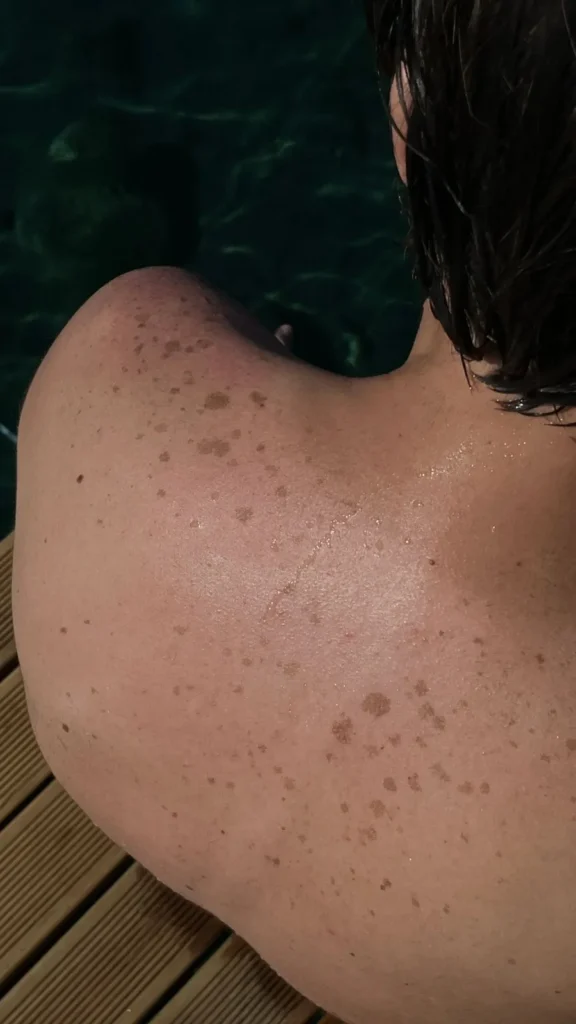
A second-degree sunburn is one of the most serious forms of sun damage you can get without needing emergency surgery.
A mild sunburn only damages the very surface of your skin. A second-degree sunburn goes much deeper. It burns all the way through your outer skin layer, called the epidermis, and into the middle layer underneath, called the dermis. That middle layer is packed with nerve endings, blood vessels, and sweat glands. That is exactly why a second-degree burn does not just sting. It throbs.
A second-degree sunburn is not something you sleep off with some aloe vera. It needs real care and, in many cases, a visit to the doctor.
What Does A Second-Degree Sunburn Look Like?
A second-degree sunburn turns the skin deep red or purplish, and the skin looks wet or shiny instead of dry. You will see blisters filled with clear fluid, and the area swells up more than you would expect. That is your skin’s way of telling you the damage went past the surface into deeper layers.
Why Not All Sunburns Are the Same
A sunburn is not just a hot, irritated patch of skin. It is actual tissue damage caused by ultraviolet (UV) rays. Health experts at the FDA and CDC confirm that this UV radiation damages your skin cells and triggers serious inflammation below the surface.
Doctors classify sunburns by figuring out exactly how deep those rays went. Your skin is made up of three primary layers:
- Epidermis: The thin top layer you can see and touch.
- Dermis: The middle layer where your sensitive nerve endings are present.
- Hypodermis: The deepest layer of your skin, which is mostly fat and soft tissue.
A mild first-degree burn barely damages that top layer. A second-degree burn goes all the way through the epidermis and blasts into the dermis. That is exactly why it throbs with intense pain instead of just stinging.
To figure out exactly where your burn falls, doctors use a color-sunburn severity chart to match your skin’s appearance with the right treatment plan.
Second-Degree Color Sunburn Severity Chart: What Your Skin Tone Means
Sunburn Severity Reference Chart
Second-Degree & Below · Skin Color Guide
| Skin Color | What It Looks Like | What Is Happening Inside | Burn Severity |
|---|---|---|---|
Light Pink | A soft blush, like you just finished a workout. | Only the very top surface of the skin is irritated. | Mild First-Degree |
Bright Red | Like a stop sign. Turns white when you press on it. | The entire top layer of skin is damaged and inflamed. | Deep First-Degree |
Deep Red / Purplish | An angry, dark red. Looks slick, wet, or shiny. | The burn pushed deep into the middle layer (the dermis). | Second-Degree |
White / Ashy Patches | Red skin mixed with pale, white, or ashy spots. | Deep nerve damage. See a doctor right away. | Severe 2nd-Degree |
The Most Important Rule for Second-Degree Burns
Do not pop those blisters. They are protecting the raw, exposed skin underneath while it heals. Keep the area clean, cover it loosely, and see a doctor if it covers a large area of your body or shows signs of infection.
If you have blisters with fever, chills, or nausea, you should get emergency care right away because these are signs of sun poisoning.
Common Symptoms of a Second-Degree Sunburn
The biggest symptom of second-degree sunburn is blisters. According to guidance from the CDC and the Cleveland Clinic, the moment you see blisters forming, it means the sun has damaged your deeper layer of skin.
Here are more common symptoms of second-degree sunburn:
- Clear blisters: These can be large single bumps or clusters of small ones.
- Intense pain: A constant, throbbing ache that makes it hard to sleep.
- Severe tenderness: Extreme sensitivity, where even a soft t-shirt causes pain.
- Heavy swelling: Your body pushes fluid to the area to help it heal, swelling the skin.
- Heat radiating: For days, the skin feels very hot to the touch.
- Maddening itchiness: As the burn starts to heal and dry out, it will itch like wild.
- Deep peeling: Thick sheets of skin will peel off after the blisters finally dry up.
Other Full-Body Symptoms
Sometimes, a severe burn messes with your whole system, not just your skin. If you get sunburn on a large area of your body, it can trigger “sun poisoning.” You might also experience:
- A pounding headache
- Sudden chills or a high fever
- An upset stomach or nausea
- Extreme fatigue (feeling totally wiped out)
- Dehydration and dizziness
Note: If you experience these additional full-body symptoms, do not try to treat them at home. It is time to visit an urgent care center or call a doctor.
What Causes a Second-Degree Sunburn?
A second-degree sunburn does not happen because you fell asleep on the beach for hours. In some cases, it can happen in as little as 15 to 30 minutes, especially if your skin burns easily.
Your skin type plays a big role. People with fair or light skin have less natural protection against UV rays, so they burn faster and deeper than people with medium or darker skin tones. But in reality, every skin type can get a second-degree sunburn under specific conditions.
Where you are matters just as much as how long you stay. Water, sand, and snow all reflect UV rays onto your skin like a mirror. That means you are getting hit twice. Once directly from the sun and once bouncing back up from the ground.
Do not trust clouds either. Up to 80% of UV rays pass right through cloud cover. Plenty of people get their worst sunburns on overcast days because they skipped the sunscreen.
Certain medications make your skin burn faster, too. Antibiotics, acne treatments, and some blood pressure drugs can make your skin far more sensitive to UV than normal. That’s why you should always check the label.
Second-Degree Sunburn vs First-Degree: How Do I Tell the Difference?
Many people assume all sunburns are the same, but the severity can vary significantly. Understanding the difference between a first-degree and second-degree sunburn is important because treatment needs and potential complications are not the same.
A first-degree sunburn affects only the outer layer of skin and typically causes redness, tenderness, and mild pain. A second-degree sunburn damages deeper layers of skin and often causes blistering, swelling, severe pain, and a longer recovery time.
Signs of a First-Degree Sunburn
A first-degree sunburn is the mildest type of sunburn and usually appears within a few hours of excessive UV exposure.
Common symptoms include:
- Red or pink skin
- Mild swelling
- Warmth when touched
- Tenderness or discomfort
- Dry or peeling skin after a few days
Most first-degree sunburns heal within 3 to 7 days without causing permanent skin damage.
Signs of a Second-Degree Sunburn
A second-degree sunburn is more serious because it extends beyond the outer skin layer and affects deeper tissues.
Common symptoms include:
- Intense redness
- Painful blisters filled with fluid
- Significant swelling
- Skin that feels extremely hot
- Increased sensitivity to touch
- Possible fever, chills, or dehydration
Second-degree sunburns may take several weeks to heal and can increase the risk of infection if blisters break open.
Sunburn Degree Comparison
First-Degree vs Second-Degree · Feature Breakdown
| Feature | 🌤 First-Degree | 🔥 Second-Degree |
|---|---|---|
🧬 Skin Damage | Outer layer only | Outer & deeper layers |
🔴 Redness | Mild to moderate | Severe |
😣 Pain | Mild to moderate | Moderate to severe |
💧 Blisters | ✓ No | ⚠ Yes |
🫧 Swelling | Mild | Significant |
📅 Healing Time | 3–7 days | 1–3 weeks or longer |
🦠 Risk of Infection | Low | Higher |
How To Treat a Second-Degree Sunburn at Home
If your burn covers a small area and you have no fever or chills, you can take care of it at home. Just treat it like the serious wound it actually is.
Cool it down first
Get out of the sun and take a cool shower or bath. Skip the soap, loofahs, and rough washcloths. You can also press cool, damp towels gently against the burn for 10 to 15 minutes a few times a day.
Drink more water than you think you need
A bad sunburn pulls fluid away from the rest of your body toward the skin. Drinking water and electrolyte drinks helps replace what you are losing fast.
Use the right moisturizer
Light aloe vera gels or soy-based lotions are your best option. Stay away from Vaseline, heavy ointments, and thick creams because they trap heat inside and make the burn worse, not better.
Do not touch the blisters
Popping them opens the door to infection. If one breaks on its own, wash it gently, apply antibiotic ointment, and cover it loosely with a non-stick bandage.
Take ibuprofen
It does not just dull the pain; it actively fights the swelling and inflammation happening deep inside your skin. Take it as soon as you notice the burn worsening.
Stay covered when you go outside
Healing skin has zero defense against UV rays. Loose, tightly woven clothing is your only shield until the skin is completely healed.
Second-Degree Sunburn Healing Stages
The most common question people ask is, “How long will this take to heal?” While healing a deep skin sunburn takes a lot of energy from your body and time, a mild sunburn might fade before the weekend is over. Here are the healing stages of a second-degree sunburn:
- Stage 1: The Initial Burn (0–24 Hours)
At first, your skin may look ok. But after a few hours, you get the deep redness, tight feeling, and burning pain.
- Stage 2: The Peak Pain (24–48 Hours)
This is the hardest stage of healing. Swelling begins, the skin becomes very sensitive, and blisters develop just under the surface.
- Stage 3: Blisters (2–5 Days)
Clear, fluid-filled bumps finally surface. Do not pop them! According to CDC guidance, breaking these blisters invites nasty infections and seriously slows down healing.
- Stage 4: The Big Peel (5–10 Days)
The pain finally fades into an intense itch. Your skin will start peeling off in dry sheets. Picking at it will only delay your recovery.
- Stage 5: Final Recovery (1–3 Weeks)
Finally, your new skin settles. You might notice temporary dark patches or extra sun sensitivity, so keep it covered. But now there is nothing to worry about. Over time, it will be healed completely.
When To See a Doctor for a Sunburn
Most burns heal at home, but a severe second-degree burn needs proper medical treatment. Get medical care right away if any of these apply to you:
- The burn covers a large area: anything over 10% of your body is too much to handle alone at home
- It hits a sensitive spot: burns on your face, hands, feet, groin, or joints need professional care because of how easily they can cause lasting damage
- Your blisters look infected: yellow pus, red streaks spreading outward, or pain that keeps getting worse instead of better are all warning signs
- You feel sick beyond the burn: fever, nausea, chills, or dizziness alongside a sunburn is sun poisoning, and that needs urgent care immediately
Final Thoughts
A second-degree sunburn is not something to brush off or sleep through. Blisters, deep red skin, and that sharp pain are your body telling you the damage is serious. A sunburn severity chart exists for a reason. Use it.
Knowing what to look for and when to stop treating it yourself and call a doctor makes a real difference in how fast and how well you recover.
But the best thing you can do is protect your skin before it ever gets to that point. UV rays damage builds up over your lifetime. Sunscreen, shade, and covered skin cost you almost nothing. A bad burn costs you weeks. So protect yourself and your future health.
Frequently Asked Questions
How long do second-degree sunburns take to heal?
A second-degree burn usually takes approximately two to three weeks to heal fully. The worst pain hits in the first 48 hours. Blisters will pop up within a few days, and heavy peeling usually starts around day five.
Will a sunburn turn into a tan?
While mild sunburns eventually turn into a tan, a second-degree burn will not. Because the sun damage is so serious, the burned layer of skin will die and come off completely. The fresh, new skin underneath will actually be much lighter and extremely sensitive to the sun.
How long does the pain last?
Usually, pain peaks around 24 to 48 hours after you were out in the sun. After day four or five, that sharp pain will start to fade away and turn into a tight, intense itch when the skin dries out and starts to peel off.
Will a second-degree sunburn leave a scar?
It can leave, but you can control it. The biggest reason people get scars is that they pop blisters or pick at the peeling skin before it is ready to come off. Leave the blister alone, let the dead skin come off naturally, and keep the area clean to prevent permanent scars.
What Should I Do Immediately After Getting a Second-Degree Sunburn?
If you develop a second-degree sunburn, move out of the sun immediately and cool the affected skin with a cool (not ice-cold) compress. Drink plenty of water to prevent dehydration and apply a gentle moisturizer or aloe vera gel. Avoid popping blisters, as this can increase the risk of infection. Seek medical attention if the burn covers a large area, causes severe pain, fever, or signs of infection.
How Long Does a Second-Degree Sunburn Take to Heal?
A first-degree sunburn affects only the outer layer of skin and typically causes redness, mild swelling, tenderness, and peeling. A second-degree sunburn is more severe and damages deeper skin layers, often causing painful blisters, significant swelling, intense redness, and longer healing times. If blisters are present, the sunburn is usually considered second-degree and may require closer monitoring or medical care.
References & Sources
CDC: Centers for Disease Control and Prevention

Olivia Reed
Women's Health & Skincare Writer
Better Health Focus
Expertise
Women's Health • Skincare • Hormonal Health • Beauty & Skin Science • Preventive Wellness • Healthy Aging • Nutrition for Skin Health • Lifestyle Medicine • Evidence-Based Health Education
About Olivia Reed
Olivia Reed is a Women's Health & Skincare Writer at Better Health Focus, where she creates evidence-based educational content focused on helping readers better understand women's wellness, hormonal health, skincare, healthy aging, and preventive self-care.
Her writing combines scientific research with practical lifestyle guidance, making complex health and skincare topics easy to understand without relying on misleading beauty trends or unrealistic health claims. Olivia Reed believes that informed readers make better health decisions, and she strives to present balanced information that reflects current scientific evidence.
Before publishing an article, Olivia Reed reviews guidance and research from respected organizations, including the National Institutes of Health (NIH), PubMed, the World Health Organization (WHO), the American Academy of Dermatology (AAD), the American College of Obstetricians and Gynecologists (ACOG), the Office on Women's Health (OWH), and peer-reviewed medical journals whenever applicable.
Her work regularly explores women's hormonal changes throughout different life stages, skincare science, acne, eczema, pigmentation, menopause, nutrition for healthy skin, reproductive wellness, hair health, and evidence-based approaches to beauty and preventive healthcare.
Olivia Reed is committed to separating scientific evidence from social media trends and marketing claims, helping readers understand what current research supports—and where evidence is still emerging.
Education
Bachelor of Arts (B.A.) in Health Communication
Professional Development
- Continuing education in Women's Health and Skin Science
- Ongoing study of dermatology research and preventive healthcare
- Regular review of peer-reviewed publications related to dermatology, endocrinology, nutrition, women's health, and public health
- Continuous monitoring of clinical guidance from leading medical organizations
Areas of Focus
- Women's Health
- Hormonal Health
- Menstrual & Reproductive Wellness
- Pregnancy & Postpartum Education
- Menopause & Healthy Aging
- Skincare & Dermatology Education
- Acne, Eczema & Sensitive Skin
- Hair & Scalp Health
- Nutrition for Healthy Skin
- Preventive Health & Lifestyle Medicine
Editorial Standards
Every article written by Olivia Reed Ward follows the editorial standards of Better Health Focus and is developed using reputable medical references and current scientific literature whenever available.
Her editorial approach emphasizes:
- Evidence-based health education
- Scientific accuracy
- Balanced discussion of benefits, risks, and research limitations
- Clear, accessible language for everyday readers
- Responsible reporting without exaggerated claims
- Alignment with Google E-E-A-T principles for health content
Rather than promoting miracle treatments or viral beauty trends, Olivia Reed focuses on practical, research-informed guidance that supports informed decision-making and long-term wellness.
Research Sources
Articles may reference information from organizations and databases such as:
- National Institutes of Health (NIH)
- PubMed
- World Health Organization (WHO)
- American Academy of Dermatology (AAD)
- American College of Obstetricians and Gynecologists (ACOG)
- Office on Women's Health (OWH)
- American Academy of Pediatrics (AAP)
- U.S. Food & Drug Administration (FDA)
- Peer-reviewed scientific journals
Editorial Disclaimer
The information published by Olivia Reed Ward on Better Health Focus is intended for educational and informational purposes only. It should not replace professional medical advice, diagnosis, or treatment. Readers should consult a qualified healthcare professional or dermatologist regarding personal medical concerns, medications, skincare treatments, or significant health decisions.