

Your gut microbiome does more than aid in digestion. It has trillions of small bacteria that affect how you feel, how you take in nutrients, and how your body deals with everyday stress. When this internal balance is disrupted, you may experience bloating, discomfort, low energy, or other digestive problems. The good news is that you can improve your gut microbiome naturally.
Small daily habits like eating diverse foods with more fermented and probiotic-rich foods, being more physically active, getting good sleep, staying hydrated, and being careful with some medicines can help you improve your gut microbiome. In this guide, we will discuss five easy and simple ways to improve your gut microbiome naturally.
Table of Contents
How Do You Know If Your Gut Needs Help?
There is an excellent communication system in your body. When your body’s internal system is not balanced and is struggling, it gives you warning signs to tell you. Knowing about these symptoms helps you notice symptoms early and take action before the situation gets worse.
Some of the most common symptoms that indicate bad gut health include the following:
- Frequent stomach discomfort like gas, bloating, constipation, diarrhea, and heartburn.
- Unintentional weight changes like gaining or losing weight without doing anything to change weight.
- Constant fatigue and poor sleep.
- Skin conditions like eczema and acne.
- Extreme sugar cravings because certain types of “bad” bacteria thrive on sugar.
If you have any of these symptoms regularly, you should immediately get checked up by a doctor and get the best gut microbiome test done.
While the gut microbiome test can be interesting and sometimes can even offer helpful data, many medical experts advise being cautious. The science of microbiome tests is still new, and the results can be difficult to interpret without the help of a doctor. A healthy gut microbiome is different for every person based on their genetics, geography, and diet. Instead of immediately doing trending tests, you should start with healthy lifestyle changes and follow healthy habits to improve your gut microbiome naturally.
Simple Ways to Improve Your Gut Health
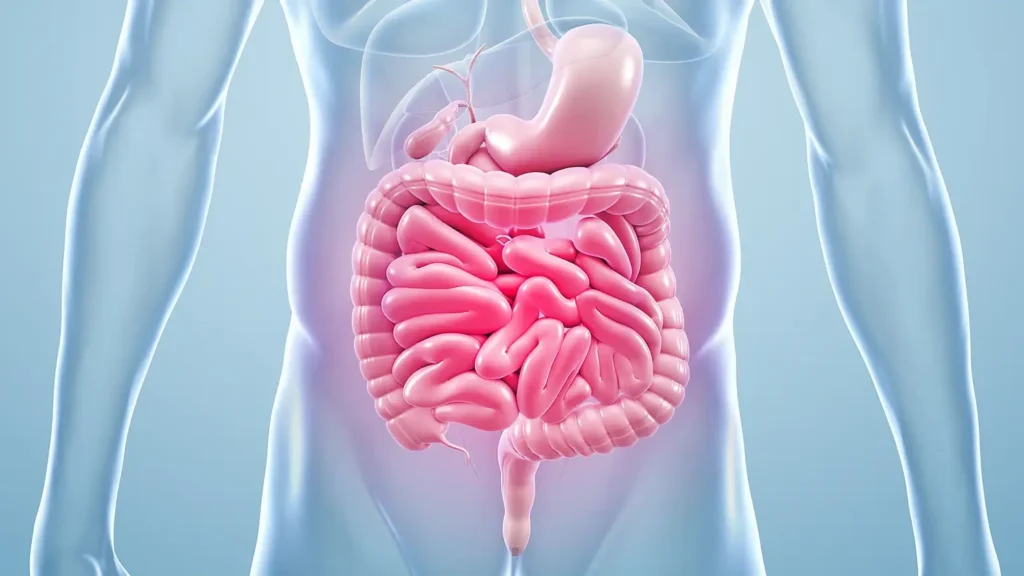
Science is still growing about the gut microbiome day by day, but it’s proven that changes in your diet and lifestyle can improve gut health. Here I have provided 5 easy ways that can help to improve gut microbiome and overall health.
1. Eat a Variety of High-Fiber Foods
If there is one best way to improve gut health, it’s eating more fiber-rich foods. Fiber is a type of carb that is found exclusively in plant-based foods. Unlike other carbs, which are broken down into glucose and transferred into your bloodstream, fiber takes much longer to digest and passes through the stomach and small intestine mostly unbroken. And when it reaches your large intestine, your gut bacteria feed eagerly on it, fermenting it to use and grow more.
When gut bacteria digest fiber, they produce short-chain fatty acids (SCFAs), such as butyrate, propionate, and acetate. According to the NIH, SCFAs are extremely important. However, according to the Centers for Disease Control and Prevention (CDC), most adults in the US only complete half the fiber they need each day. The Dietary Guidelines for Americans recommends that adults consume between 22 and 34 grams of fiber daily, depending on age and sex.
Here are a few easy ideas to meet your daily need of fiber:
- Breakfast: oatmeal topped with berries and chia seeds
- Lunch: bean soup, lentil salad, or a turkey sandwich on whole-grain bread
- Dinner: roasted vegetables with brown rice or quinoa
- Snacks: apples, pears, nuts, or carrots with hummus
Remember that after eating fiber-rich foods, you need to drink enough water because fiber works like a sponge and needs plenty of fluid to work perfectly. If you eat too much fiber-rich food without drinking enough water, you might feel bloated or constipated.
2. Add More Fermented Foods to Your Diet
While fiber-rich foods feed good bacteria in the gut microbiome, fermented food actually gives new, alive good bacteria. Fermentation is a traditional process of preserving foods where natural bacteria and yeast break down the sugar in foods. It also gives a distinct, tangy flavor to the food and creates probiotics, live microorganisms that give many health benefits.
Eating more fermented food increases good bacteria and lowers the cause of inflammation. The NIH says some fermented foods, such as yogurt, can be sources of beneficial microbes, but not all fermented foods contain proven probiotic microorganisms. It also notes that some foods that are marketed as “probiotic” may not actually have proven health benefits.
Best fermented food options you can try:
- Yogurt
- Kefir
- Sauerkraut and Kimchi
- Kombucha
- Miso
- Tempeh
When you are buying fermented foods like sauerkraut or kimchi, make sure to buy them from the refrigerated section of the grocery store. Foods that have been pasteurized and are kept at room temperature on the shelves have had their beneficial bacteria eliminated by heat during processing.
3. Cut Back on Sugar and Processed Foods
Just as a healthy diet can improve your gut microbiome, an unhealthy diet can quickly make it bad. The Western diet, which is rich in processed foods, unhealthy fats, and added sugars, is infamous for negatively affecting gut health. When you consume too much sugar, you are basically throwing a party for the harmful bacteria and yeast in your gut. After feeding on the sugar, these harmful bacteria grow rapidly, which affects the balance of the gut microbiome.
And also, highly processed foods often have artificial emulsifiers, preservatives, and artificial sweeteners. While more studies are needed, early research shows that spokes of these chemicals can affect the gut lining and disrupt the balance of the gut microbiome.
The CDC strongly advises reducing sugar intake, saying that it not only harms digestion but also contributes to weight gain, obesity, type-2 diabetes, and even heart disease.
Tips for cutting down on sugar and processed foods that you can use:
- The first thing you should do is to replace sugary drinks with plain water, unsweetened tea, or water mixed with lemon, lime, or cucumber.
- Second, always check how much sugar is added to what you are going to eat. It will help you make better choices.
- Third, you should focus on single-ingredient foods. Thai is the easiest way to avoid eating processed junk foods. If something has too many ingredients, you should avoid it.
4. Prioritize Your Sleep and Manage Stress
While this step may seem strange in a blog about gut microbiomes, your brain and gut are connected to each other. That nauseous feeling after something stressful is the reaction of the “gut-brain axis.”
When you are stressed continuously, your body remains in the state of “fight or flight.” It triggers the release of cortisol, the stress hormone. High levels of cortisol can affect the environment in your gut, which is harmful for good bacteria. Over time, stress can unbalance the gut microbiome.
Similarly, lack of sleep affects your gut health, and an unhealthy gut can affect your sleep. It’s a two-way system. Your gut bacteria have their own sleep cycle. When you don’t sleep on time and enough, it can disrupt the balance of your gut microbiome, which can lead to dysbiosis.
Tips for dealing with stress and getting enough sleep:
- Try to sleep around the same time each night and aim for at least 7-9 hours. Make this a non-negotiable habit of your routine.
- About 30-60 minutes before going to sleep, don’t use any kind of screens and do something relaxing to sleep without any issue.
- Find a relaxing and calming activity that keeps you calm in the situation of stress. It can help you manage stress in a better way.
5. Keep Your Body Physically Active
Exercise is the best and simplest way to improve your overall health, including gut health. Doing exercise regularly can help your bowel movements be smooth. It can increase blood flow to your organs and stimulate muscles in your intestine, which helps food pass through your system without any issue. It naturally reduces instances of constipation, gas, and bloating.
Studies show that activities like jogging, cycling, or brisk walking can increase the diversity of your gut microbiome. Physically, individuals tend to have higher levels of beneficial bacteria, particularly those that produce short-chain fatty acids.
According to the CDC, an adult should try to do at least 150 minutes of moderate activities or 75 minutes of intense activities each day, plus 2 or more days of muscle-strengthening activities. It is the minimum required physical activity level.
Things you can do to increase your physical activity level:
- Take a simple 10-15 minute walk after each meal. It will help you with digestion and managing blood sugar better.
- You don’t have to spend hours in the gym. You can do anything that drains energy. Even dancing, swimming, gardening, hiking, or any sports you like also count as physical activity.
When to Talk to a Doctor
Most small gut changes can be fixed by changing your daily habits, but some signs should not be ignored. A doctor can help figure out if something worse is going on. If you notice any of the following, get checked:
- Constant stomach pain
- Blood in your stool
- Unusual weight loss
- Extreme diarrhea
- Symptoms that don’t get better over time
Your gut microbiome is important for more than just digestive health. It’s always better to see a doctor than to guess if something feels wrong for too long.
Conclusion
Improving gut health naturally doesn’t need expensive treatment plans or strict planning. Just simple, daily habits like eating fiber-rich and fermented foods, managing stress, sleeping enough, drinking plenty of water, and maintaining a healthy lifestyle are more than enough.
You don’t have to change your complete lifestyle at once. You can simply start with one habit and increase according to your own pace. Over time, you will have a healthy gut microbiome naturally.
Frequently Asked Questions
How to balance your gut microbiome naturally at home?
To improve your gut microbiome naturally, you need to add small things like eating more gut-friendly foods, avoiding sugar, stopping tobacco use and alcohol, drinking enough water, staying more physically active, sleeping properly, and managing stress into your lifestyle. These small habits will balance your gut microbiome naturally over time.
What exactly is the gut microbiome?
The gut microbiome is an ecosystem in your body that is made up of trillions of bacteria. Some of these bacteria are good, and some are bad. These good bacteria are essential for better digestion, a strong immune system, and overall health.
Does eating fermented foods improve gut health?
Yes, foods that have been fermented, like yogurt, kefir, and sauerkraut, can help good bacteria in your gut. These good bacteria help your gut microbiome stay in balance and help with digestion and overall health.
Can stress affect my gut?
Yes, constant stress for a long time can really affect your gut microbiome and cause discomfort, bloating, or digestion issues. Managing stress is just as important as other healthy habits.
How to restore the gut microbiome after antibiotics?
Your gut may feel a little off after you take antibiotics for a long time. To restore balance, you can start by eating foods high in fiber, adding simple fermented foods like yogurt, drinking plenty of water, and giving your body time to heal.
References & Sources

Daniel Brooks
Men's Health & Blood Sugar Writer
Better Health Focus
Expertise
Men's Health • Blood Sugar Management • Type 2 Diabetes Education • Prediabetes • Healthy Lifestyle • Nutrition • Metabolic Health • Preventive Wellness • Evidence-Based Health Content
About Daniel Brooks
Daniel Brooks is a Men's Health & Blood Sugar Writer at Better Health Focus, where he develops evidence-based educational content focused on men's wellness, blood sugar management, diabetes prevention, metabolic health, and healthy lifestyle habits.
With more than five years of experience writing health content, Daniel specializes in transforming complex medical research into practical, reader-friendly articles that help people better understand chronic disease prevention and long-term wellness. His work emphasizes realistic lifestyle changes, balanced nutrition, physical activity, and sustainable habits rather than quick fixes or unsupported health claims.
Daniel has completed professional education in Lifestyle Medicine through the American College of Lifestyle Medicine (ACLM) and has undertaken extensive independent study of evidence-based guidance, clinical recommendations, and educational resources published by the American Diabetes Association (ADA). His writing reflects current research and established best practices related to blood sugar management, diabetes prevention, cardiovascular health, and men's health.
Before publishing an article, Daniel reviews reputable medical literature and guidance from organizations including the National Institutes of Health (NIH), PubMed, the American Diabetes Association (ADA), the American Heart Association (AHA), the Centers for Disease Control and Prevention (CDC), and peer-reviewed scientific journals whenever applicable.
His goal is to help readers understand the science behind healthy living while making evidence-based information clear, practical, and accessible.
Education & Professional Development
- Professional education in Lifestyle Medicine through the American College of Lifestyle Medicine (ACLM)
- Ongoing study of evidence-based resources and clinical guidance published by the American Diabetes Association (ADA)
- Continuing education in nutrition science, metabolic health, and preventive medicine
- Regular review of peer-reviewed medical research and public health guidance
Areas of Focus
- Men's Health
- Blood Sugar Management
- Prediabetes Education
- Type 2 Diabetes Prevention
- Metabolic Health
- Heart Health
- Healthy Weight Management
- Nutrition & Healthy Eating
- Exercise & Lifestyle Medicine
- Preventive Health
Editorial Approach
Every article written by Daniel Brooks follows the editorial standards of Better Health Focus and is based on current scientific evidence from reputable medical organizations and peer-reviewed research whenever available.
His content is guided by the principles of:
- Evidence-based health education
- Scientific accuracy and transparency
- Balanced discussion of benefits, risks, and research limitations
- Clear and practical language for everyday readers
- Responsible reporting without exaggerated health claims
- Alignment with Google E-E-A-T principles for health content
Daniel believes that trustworthy health information should empower readers to make informed decisions in partnership with qualified healthcare professionals.
Research Sources
Daniel regularly consults information from:
- National Institutes of Health (NIH)
- PubMed
- American Diabetes Association (ADA)
- American College of Lifestyle Medicine (ACLM)
- Centers for Disease Control and Prevention (CDC)
- American Heart Association (AHA)
- U.S. Department of Agriculture (USDA)
- Office of Dietary Supplements (ODS)
- Peer-reviewed scientific journals
Editorial Disclaimer
The information published by Daniel Brooks on Better Health Focus is intended for educational and informational purposes only. It is not a substitute for professional medical advice, diagnosis, or treatment. Readers should consult a qualified healthcare professional before making decisions regarding medications, diabetes care, supplements, diet, or lifestyle changes.