
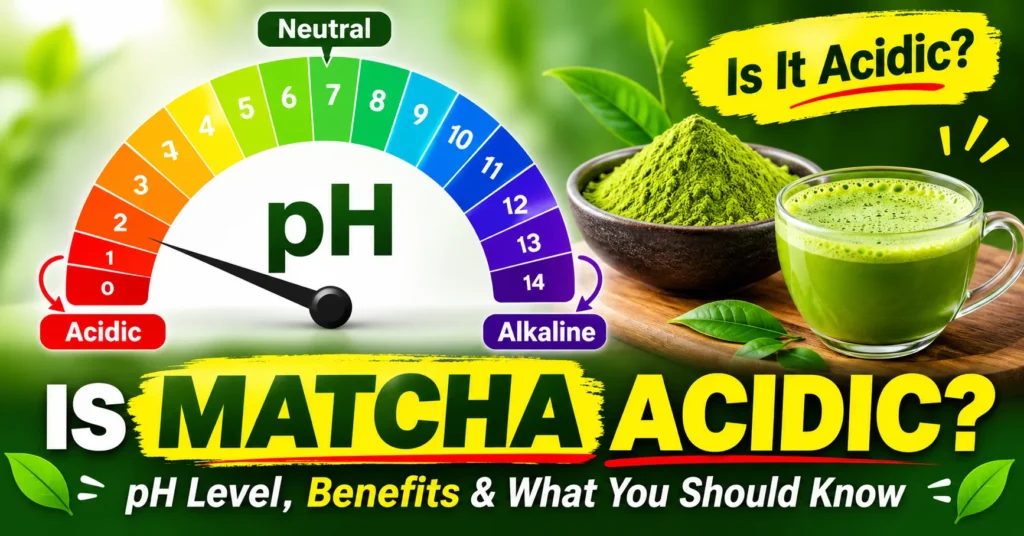
Matcha has become a popular alternative to coffee because of its distinctive flavor, natural caffeine, and antioxidant content. However, people who experience heartburn, acid reflux, or stomach discomfort often have an important question: Is matcha acidic?
The short answer is yes. Matcha is generally mildly acidic rather than alkaline. A 2023 study measuring different matcha products found an average pH of approximately 5.71 in prepared aqueous solutions. However, the acidity of a drink does not tell the whole story about how it affects digestion.
Matcha also contains caffeine, which may trigger reflux symptoms in some people. Your response can depend on serving size, preparation method, individual sensitivity, and whether you drink it on an empty stomach.
This guide explains the pH of matcha, compares it with coffee and green tea, and discusses what people with acid reflux should consider before drinking it.
Table of Contents
Is Matcha Acidic or Alkaline?
Yes, matcha is mildly acidic. It is not naturally alkaline, although some online sources describe green tea products as alkaline-forming.
The difference comes down to how acidity is measured. The pH scale ranges from 0 to 14. Values below 7 are acidic, 7 is neutral, and values above 7 are alkaline.
Research published in Molecules in 2023 examined 10 commercial matcha products. The researchers found that their 2.5% water solutions had an average pH of approximately 5.71, with individual measurements ranging from about 5.58 to 5.94.
This suggests that prepared matcha is mildly acidic. It is not as acidic as many fruit juices or soft drinks, but it is still below the neutral pH level.
It is also important to understand that the pH of a drink and its effect on the body are different things. Drinking a mildly acidic beverage does not automatically make your entire body acidic or cause acid reflux.
The body regulates blood pH through the lungs and kidneys. Therefore, claims that matcha changes the body’s overall acidity should be treated carefully.
What Is the pH of Matcha?
The pH of matcha depends on the product, water, concentration, and preparation method.
In the 2023 study, researchers tested 2.5% aqueous solutions of different commercial matcha products. The average pH was approximately 5.71.
Here is a simple overview:
| Beverage | General pH information |
| Matcha | Around 5.6–5.9 in the tested solutions |
| Coffee | Commonly around 4.8–5.1, depending on brewing |
| Water | Around 7 when neutral |
| Lemon juice | Usually around 2–3 |
These values are approximate comparisons, not universal measurements. Different products and preparation methods can produce different results.
Does Matcha Powder Have the Same pH as Prepared Matcha?
Not necessarily. Dry matcha powder and matcha prepared with water are different samples. The pH of the final drink depends on the amount of powder, the water used, and the preparation conditions.
For this reason, it is more useful to discuss the pH of prepared matcha rather than assume that every matcha powder has one fixed pH value.
Another important point is that pH measures hydrogen-ion activity, not the total amount of acid a beverage can neutralize or its overall effect on the stomach. Two drinks with similar pH values may not affect people in exactly the same way.
Is Matcha as Acidic as Coffee?
No. Based on the available measurements, matcha is generally less acidic than regular brewed coffee.
Prepared matcha solutions in the 2023 study had an average pH of approximately 5.71. Brewed coffee commonly has a pH around 4.8–5.1, although the exact measurement varies with the beans and brewing process.
Because a lower pH means greater acidity, coffee generally has a lower pH than matcha.
This difference may make matcha a more comfortable option for some people who find coffee irritating. However, it does not guarantee that matcha will prevent heartburn or acid reflux.
Coffee and matcha also have different chemical compositions. Matcha contains caffeine and naturally occurring tea compounds, while coffee contains its own mixture of acids and other substances.
A person’s digestive response cannot be predicted by pH alone.
Should You Replace Coffee With Matcha?
If coffee regularly causes discomfort, trying a smaller serving of matcha may be reasonable. However, pay attention to how your body responds.
Consider starting with a modest amount, avoiding highly concentrated preparations, and reducing added ingredients that may trigger your symptoms.
If matcha also causes discomfort, switching from coffee to matcha may not solve the problem. You may need to identify which ingredients, beverages, or habits are contributing to your symptoms.
Is Matcha Less Acidic Than Green Tea?
The answer is not as straightforward as it may seem.
Matcha and regular green tea both come from the Camellia sinensis plant. The main difference is how they are processed and consumed.
Regular green tea is usually prepared by steeping tea leaves in hot water and removing the leaves before drinking. Matcha is made from finely ground green tea leaves that are whisked into water, so the powdered leaves remain in the beverage.
The pH of green tea can vary according to the tea variety, water quality, brewing temperature, and steeping time. Matcha also varies between products and preparation methods.
The 2023 matcha study measured an average pH of approximately 5.71 for the tested solutions. However, that result should not be treated as proof that matcha is always less acidic than every type of green tea.
Both beverages are generally mildly acidic, and the exact comparison depends on how each drink is prepared.
If you are comparing them for digestive comfort, caffeine content and your personal tolerance may be just as relevant as pH.
Does Matcha Affect Stomach Acidity?
Matcha may affect people differently. Its mild acidity does not automatically mean that it increases stomach acid or causes digestive problems.
One factor worth considering is caffeine. Matcha naturally contains caffeine, and caffeine is commonly listed among potential triggers for gastroesophageal reflux disease (GERD) symptoms.
According to the National Institute of Diabetes and Digestive and Kidney Diseases (NIDDK), coffee and other sources of caffeine are among the drinks that some people with GERD may need to reduce or avoid.
However, not everyone experiences symptoms after consuming caffeine. Some people can drink matcha without discomfort, while others may notice heartburn, nausea, or stomach irritation.
Can Matcha Cause Acid Reflux?
Matcha may trigger or worsen reflux symptoms in people who are sensitive to caffeine or other components of the drink. However, there is not enough evidence to say that matcha causes acid reflux in everyone.
Acid reflux occurs when stomach contents flow back into the esophagus. Common symptoms include heartburn, a sour taste in the mouth, and regurgitation.
If you notice symptoms after drinking matcha, consider reducing the serving size or stopping it temporarily. You can also keep a simple food and symptom record to identify patterns.
People with frequent or persistent reflux should discuss their symptoms with a healthcare professional rather than relying on dietary changes alone.
Is Matcha Okay for Acid Reflux?
Matcha may be tolerated by some people with acid reflux, but it is not a proven treatment for GERD.
If you have occasional heartburn, your response to matcha may depend on caffeine sensitivity, portion size, timing, and other ingredients.
A few practical steps may help you understand your tolerance:
Start with a small serving. A concentrated matcha drink may contain more caffeine than a lightly prepared serving. Begin with a smaller amount if you are unsure how you will respond.
Avoid drinking it on an empty stomach if it causes discomfort. Some people find caffeinated beverages uncomfortable before eating. Having matcha with food may be worth trying.
Be careful with added ingredients. Chocolate, high-fat cream, and certain sweetened syrups may contribute to symptoms in some people. A simple preparation makes it easier to identify possible triggers.
Avoid drinking it close to bedtime. Caffeine may affect sleep, and lying down soon after eating or drinking can worsen reflux symptoms for some people.
The NIDDK also notes that people with nighttime GERD symptoms may benefit from eating at least three hours before lying down.
Remember that these are general considerations, not a guaranteed way to prevent reflux. If matcha consistently causes symptoms, avoiding it may be the most practical choice.
If you are wondering whether matcha is suitable for everyone, read our guide on who should not drink matcha to understand potential risks, caffeine sensitivity, and precautions.
Is Matcha Harsh on the Stomach?
Matcha is not necessarily harsh on the stomach, but some people may experience discomfort after drinking it.
Possible symptoms include nausea, an unsettled stomach, or a feeling of irritation. Caffeine sensitivity, a large serving, and drinking it without food may contribute to discomfort in some individuals.
Matcha also contains naturally occurring compounds such as catechins and tannins. These compounds contribute to its taste and nutritional profile, but individual tolerance varies.
If matcha makes your stomach uncomfortable, try a smaller serving or stop drinking it to see whether symptoms improve. Avoid assuming that discomfort is simply a normal reaction that you must tolerate.
Persistent stomach pain, repeated vomiting, difficulty swallowing, or unexplained weight loss should be evaluated by a healthcare professional.
You can also learn more about matcha may affect your stomach including possible nausea and digestive discomfort.
Who Should Not Drink Matcha?
Most healthy adults can consume moderate amounts of matcha as part of a balanced diet. However, it may not be suitable for everyone.
People who are sensitive to caffeine may experience restlessness, a faster heartbeat, anxiety, sleep disruption, or digestive discomfort.
People with GERD should pay attention to whether matcha triggers heartburn or regurgitation. If it repeatedly worsens symptoms, reducing or avoiding it may be appropriate.
Pregnant or breastfeeding individuals should discuss their total caffeine intake with a healthcare professional. Caffeine from matcha counts toward the daily amount from all sources, including coffee, tea, chocolate, and other beverages.
People taking medications or managing health conditions should also ask a qualified healthcare professional whether regular matcha consumption is appropriate for them.
Matcha supplements and concentrated green tea extracts are not the same as an ordinary cup of matcha. Concentrated extracts may have different safety considerations, so they should not be treated as interchangeable with a prepared beverage.
How to Make Matcha More Comfortable to Drink
If you enjoy matcha but experience mild digestive discomfort, changing how you prepare it may help you identify what you tolerate.
Use a smaller amount of matcha powder and mix it with enough water to avoid an overly concentrated drink. You can also try drinking it alongside a meal rather than on an empty stomach.
Avoid adding large amounts of cream, chocolate, or sweetened syrups if these ingredients seem to worsen your symptoms.
Pay attention to serving size and timing. Matcha contains caffeine, so drinking several servings throughout the day may increase your total caffeine intake.
Most importantly, do not force yourself to drink matcha because it is considered a healthier alternative to coffee. A beverage that causes recurring discomfort may not be the right choice for your digestive system.
Frequently Asked Questions
Is matcha acidic or alkaline?
Matcha is generally mildly acidic, not alkaline. A 2023 study found an average pH of approximately 5.71 in tested 2.5% matcha solutions. The exact value can vary by product and preparation.
What is the pH of matcha?
The average pH of the tested matcha solutions in a 2023 study was approximately 5.71. Individual products measured between roughly 5.58 and 5.94.
Is matcha as acidic as coffee?
Generally, no. Tested matcha solutions had a higher pH than typical brewed coffee, meaning matcha was less acidic in that comparison. However, individual drinks can vary.
Is matcha less acidic than green tea?
There is no universal answer. Matcha and regular green tea can have different pH values depending on the product and preparation method. Both are generally mildly acidic.
Does matcha cause acid reflux?
Matcha does not cause acid reflux in everyone. However, its caffeine content may trigger or worsen symptoms in people who are sensitive to caffeine or have GERD.
Is matcha okay for acid reflux?
Some people with acid reflux tolerate matcha, while others experience symptoms. Try a smaller serving only if appropriate for you, and stop drinking it if it repeatedly triggers discomfort.
Is matcha harsh on the stomach?
Not for everyone. However, caffeine, serving size, and individual sensitivity may contribute to nausea or stomach discomfort. Drinking a smaller serving with food may help some people.
Is matcha latte good for acid reflux?
It depends on the ingredients and your personal tolerance. Matcha contains caffeine, while some lattes contain high-fat milk, cream, or sweetened syrups that may worsen symptoms in certain people.
Who should not drink matcha?
People who are sensitive to caffeine, experience symptoms after drinking matcha, or have been advised to limit caffeine should be cautious. Pregnant or breastfeeding individuals should discuss their caffeine intake with a healthcare professional.
Final Thoughts
So, is matcha acidic? Yes. Research indicates that prepared matcha is mildly acidic, with one study reporting an average pH of approximately 5.71. It is generally less acidic than brewed coffee based on commonly reported pH measurements, but that does not mean it is alkaline or guaranteed to be gentle on the stomach.
For people concerned about acid reflux, caffeine content and individual tolerance are important considerations. Some may enjoy matcha without problems, while others may experience heartburn or digestive discomfort.
The most useful approach is to pay attention to your symptoms, consider your total caffeine intake, and choose beverages that fit your digestive needs. If reflux or stomach symptoms persist, speak with a qualified healthcare professional.
References for E-E-A-T
Use these authoritative sources as contextual external links within the article:
- Peer-reviewed matcha research: The Content of Bioactive Compounds and Technological Properties of Matcha Green Tea — includes measured pH values for tested matcha solutions.
PubMed Central (PMC)+1 - National Institute of Diabetes and Digestive and Kidney Diseases: Eating, Diet, & Nutrition for GER & GERD — explains common dietary triggers and lifestyle considerations for GERD.
NIDDK - NIH: Gastroesophageal Reflux Disease (GERD) — overview of GERD and symptom-management guidance.
Health

Noah Ross
Health & Wellness Writer
Better Health Focus
Expertise
Weight Management • Gut Health • Nutrition • Metabolic Health • Healthy Lifestyle • Mental Wellness • Preventive Health • Dietary Supplement Research • Evidence-Based Health Education
About Noah Ross
Noah Ross is a Health & Wellness Writer at Better Health Focus, where he creates evidence-based educational content focused on helping readers make informed decisions about their health. His work covers weight management, gut health, nutrition, metabolism, preventive wellness, and healthy lifestyle strategies.
With a background in health communication, Noah specializes in translating complex medical research into clear, practical, and easy-to-understand articles. He believes reliable health information should be accessible to everyone without relying on sensational claims or misleading marketing.
Before publishing an article, Noah reviews scientific literature and guidance from respected health organizations, including the National Institutes of Health (NIH), PubMed, the World Health Organization (WHO), the Centers for Disease Control and Prevention (CDC), the Office of Dietary Supplements (ODS), and other peer-reviewed medical journals. His writing emphasizes transparency by distinguishing well-established scientific evidence from preliminary findings and promotional claims.
At Better Health Focus, Noah regularly researches topics related to digestive wellness, metabolism, healthy eating, blood sugar management, dietary supplements, weight loss strategies, healthy aging, and preventive healthcare. His content is designed to help readers understand both the potential benefits and limitations of current scientific evidence while encouraging realistic expectations and sustainable lifestyle habits.
Education
Bachelor of Arts (B.A.) in Communications
Professional Development
- Continuing education in Nutrition Science and Public Health
- Ongoing study of evidence-based medicine and clinical research
- Regular review of peer-reviewed research related to nutrition, metabolism, obesity, digestive health, and preventive medicine
- Continuous monitoring of updates from major public health organizations and medical research databases
Areas of Focus
- Weight Loss & Healthy Weight Management
- Gut Microbiome & Digestive Wellness
- Nutrition & Healthy Eating
- Blood Sugar & Metabolic Health
- Mental Wellness & Lifestyle Habits
- Preventive Health Education
- Dietary Supplement Reviews
- Evidence-Based Wellness Research
Editorial Standards
Every article written by Noah Ross follows the editorial standards of Better Health Focus. Content is developed using current scientific evidence, reputable medical references, and trusted public health resources whenever applicable.
Each article is written with a commitment to:
- Accuracy and factual reporting
- Evidence-based health education
- Transparent discussion of scientific findings
- Balanced coverage of benefits, risks, and research limitations
- Clear, reader-friendly language
- Compliance with Google E-E-A-T principles for health content
Noah avoids unsupported health claims, miracle cures, and exaggerated promises. When evidence is limited or still emerging, that uncertainty is clearly communicated so readers can make informed decisions based on the best available research.
Research Sources
Articles may reference information from organizations and databases such as:
- National Institutes of Health (NIH)
- PubMed
- World Health Organization (WHO)
- Centers for Disease Control and Prevention (CDC)
- Office of Dietary Supplements (ODS)
- U.S. Department of Agriculture (USDA)
- American Heart Association (AHA)
- Peer-reviewed scientific journals
Editorial Disclaimer
The information published by Noah Ross on Better Health Focus is intended for educational and informational purposes only. It should not be considered medical advice and is not a substitute for consultation with a qualified physician or other licensed healthcare professional. Readers should seek professional medical guidance before making decisions regarding diagnosis, treatment, medications, supplements, or significant lifestyle changes.