
Introduction
Your liver is one of the hardest-working organs in your body — quietly filtering over 1.5 liters of blood every minute, breaking down toxins, producing bile for digestion, regulating hormones, storing energy, and performing more than 500 essential functions around the clock.
But in today’s world of processed foods, environmental pollutants, chronic stress, and sedentary lifestyles, the liver can become overloaded. When that happens, your body sends warning signals you should never ignore.
According to the American Liver Foundation, an estimated 100 million Americans have some form of liver disease — yet only 4.5 million U.S. adults have received a formal diagnosis. That gap is alarming. Many people are walking around with a stressed or sluggish liver without even knowing it.
In this guide, we’ll cover the 10 signs your liver needs detoxing, explain what a liver detox actually is, why it matters for your long-term health, and the most effective, research-backed natural ways to support liver function — starting today.
Table of Contents
What Is Liver Detox and Cleanse?
Before we dive into the signs, it’s important to understand what a liver detox actually means — because there’s a lot of misinformation out there.
A liver detox or cleanse refers to a set of dietary and lifestyle practices that support your liver’s natural detoxification processes. Your liver is already your body’s built-in detoxification system. It doesn’t need a juice cleanse or a magic tea to do its job. What it does need is the right nutritional environment, reduced toxic load, and healthy lifestyle habits to function optimally.
According to Johns Hopkins Medicine, while some common ingredients found in liver cleanse products — such as milk thistle and turmeric extract — have been shown to have positive effects on the liver, there are no clinical data to support the use of commercial “detox” products as a cure or treatment. The real liver detox is a sustained lifestyle approach, not a 3-day quick fix. For a full dietary roadmap, see our Liver Cleanse Diet guide.
A true liver cleanse involves:
- Eating a diet rich in fiber, antioxidants, and liver-supporting nutrients
- Reducing alcohol, processed foods, refined sugar, and environmental toxin exposure
- Staying well hydrated with clean water and liver-friendly beverages
- Getting regular physical activity to improve blood circulation and fat metabolism
- Using science-backed herbs and supplements like milk thistle, turmeric, and dandelion root
- Getting adequate sleep to allow liver regeneration overnight
Think of it as giving your liver the environment it needs to heal, regenerate, and perform at its best.
Why Is Liver Detox Important for Health?
The liver sits at the center of nearly every major function in your body. When it’s operating at full capacity, you feel energized, your digestion runs smoothly, your skin glows, your hormones are balanced, and your mind is sharp. When it’s struggling, the effects ripple throughout your entire system.
Here’s why supporting liver detoxification is so important:
1. Toxin Filtration. Your liver filters every substance that enters your bloodstream — food, medication, alcohol, environmental chemicals, and metabolic waste. When it becomes overloaded, toxins accumulate and begin to affect other organs.
2. Hormone Regulation. The liver metabolizes and eliminates excess hormones, including estrogen and cortisol. A sluggish liver can lead to hormonal imbalances that cause mood swings, irregular periods, weight gain, and low energy.
3. Digestive Support. Your liver produces bile, which is stored in the gallbladder and released into the small intestine to break down dietary fats. Poor bile production leads to bloating, indigestion, and nutrient malabsorption.
4. Blood Sugar Control. The liver stores glycogen (a form of glucose) and releases it as needed to maintain stable blood sugar levels. Liver dysfunction can contribute to insulin resistance and metabolic disorders.
5. Fat Metabolism. The liver plays a central role in fat digestion and cholesterol production. A compromised liver can struggle to metabolize fats efficiently, contributing to fatty liver disease and weight gain.
6. Immune Defense. The liver houses a large population of immune cells called Kupffer cells, which destroy bacteria and foreign invaders that enter through the digestive system. A healthy liver is essential for a strong immune response. The liver and gut microbiome are also deeply interconnected — to understand how gut bacteria affect your overall health, read our guide on What Is the Gut Microbiome and How It Works.
Given how central the liver is to your health, supporting its function through natural detoxification practices isn’t a wellness trend — it’s essential maintenance.
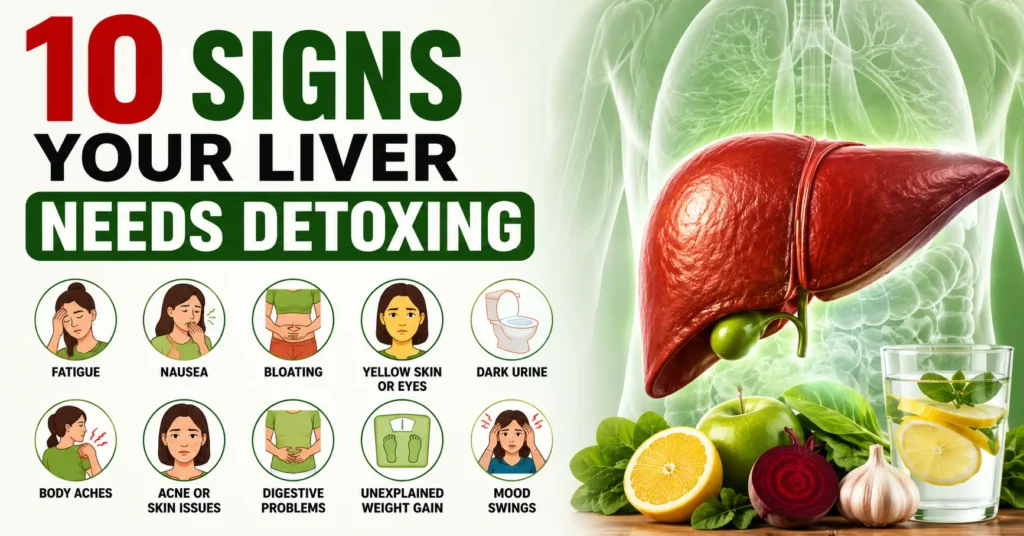
10 Signs Your Liver Needs Detoxing
1. Persistent Fatigue and Low Energy
One of the earliest and most common signs that your liver needs support is chronic, unexplained fatigue — the kind that doesn’t improve with rest or sleep.
According to research from Science Advances (May 2024), liver dysfunction can directly impact energy levels. The liver is responsible for converting nutrients into usable energy and filtering toxins from the bloodstream. When it becomes overloaded, those unprocessed toxins accumulate and interfere with your body’s energy production, leaving you feeling perpetually drained, sluggish, and foggy — no matter how many hours of sleep you get.
If you wake up tired and drag yourself through the day, your liver may be the missing piece.
2. Digestive Problems — Bloating, Constipation, and Indigestion
Your liver produces bile, which is critical for breaking down fats and keeping digestion running smoothly. According to research published in Cureus (2020), when the liver is overburdened, bile production decreases — leading to poor fat digestion, bloating, constipation, and general digestive discomfort.
A compromised liver can also allow toxins to build up in the intestines, worsening digestive symptoms further. If you experience frequent bloating, sluggish bowels, or a heavy feeling after meals, your liver’s bile production could be at the root of the problem. For a broader look at what may be affecting your gut, explore our article on Common Digestive Problems.
3. Unexplained Weight Gain or Difficulty Losing Weight
If you’re eating well and exercising but still can’t shed the pounds, your liver could be the reason. An overloaded liver struggles to efficiently metabolize fats and regulate blood sugar — two functions that are central to maintaining a healthy weight.
When the liver is bogged down with toxins, it can stop processing fat efficiently, which gets stored instead of burned. Toxins stored in fat cells further disrupt hormonal and metabolic signaling, making weight loss feel nearly impossible despite your best efforts.
4. Skin Issues — Acne, Rashes, and Dull Complexion
Your skin is a mirror of your internal health — and the liver’s health in particular. When the liver is unable to effectively filter toxins from the bloodstream, those toxins can find alternative exit routes through the skin, manifesting as acne, eczema, psoriasis, rashes, or a chronically dull and lifeless complexion.
According to research, liver dysfunction leads to the accumulation of waste products in the bloodstream, which causes itching and skin irritation. If topical treatments haven’t resolved your skin issues, consider whether the root cause may be internal.
5. Brain Fog and Poor Concentration
The liver plays a critical role in protecting the brain from harmful substances circulating in the blood. When the liver is overwhelmed, those toxins begin to affect cognitive function — leading to brain fog, difficulty concentrating, memory lapses, and a general sense of mental sluggishness.
An overloaded liver can also impair the regulation of neurotransmitters, which are the chemical messengers responsible for focus, mood, and mental clarity. If you feel like you’re thinking through mud, your liver may be contributing to it.
6. Mood Swings, Anxiety, and Irritability
Feeling unusually irritable, anxious, or emotionally volatile? Your liver could be involved. The liver plays a vital role in filtering excess hormones — including estrogen, cortisol, and adrenaline. When it’s overburdened, hormonal imbalances can occur that directly affect mood and emotional stability.
An impaired liver also compromises the metabolism of neurotransmitters like serotonin and dopamine, which regulate feelings of happiness and calm. Mood instability that seems disproportionate to your circumstances may be a signal from your liver.
7. Jaundice — Yellowing of the Skin or Eyes
Jaundice is one of the more visible signs of liver stress. It occurs when the liver is unable to process bilirubin — a yellow pigment produced during the breakdown of red blood cells — efficiently. When bilirubin accumulates in the bloodstream, it causes the skin and whites of the eyes to take on a yellow tint.
Jaundice is a more serious warning sign that warrants prompt medical attention. It can indicate conditions such as hepatitis, fatty liver disease, bile duct obstruction, or cirrhosis.
8. Dark Urine and Pale Stools
Changes in the color of your urine and stools can be telling indicators of liver function. Dark, amber-colored urine (not caused by dehydration) may signal that excess bilirubin is being excreted through the kidneys rather than the liver. Pale, clay-colored stools indicate that bile — which gives stools their characteristic brown color — is not reaching the digestive tract properly.
These symptoms together strongly suggest that liver or bile duct function needs to be evaluated by a healthcare professional.
9. Sensitivity to Alcohol or Medications
If you find that even small amounts of alcohol make you feel unusually unwell — worse hangovers, prolonged nausea, or increased drowsiness from normal medication doses — your liver’s detox pathways may be overwhelmed.
According to Docus.ai (reviewed by medical professionals), the liver is responsible for breaking down both alcohol and pharmaceutical drugs. When it’s under strain, these substances stay in your system longer and cause stronger-than-expected reactions. Increased sensitivity to alcohol or common medications is one of the more overlooked signs of a liver that needs support.
10. Upper Right Abdominal Pain or Swelling
Persistent discomfort, pressure, or dull aching in the upper right side of the abdomen — where the liver is located — can indicate liver inflammation or enlargement. This pain may sometimes radiate to the right shoulder or back and can be accompanied by a feeling of fullness even after eating small amounts.
While occasional digestive discomfort is common, persistent upper-right abdominal pain should always be evaluated medically to rule out serious liver conditions including fatty liver disease, hepatitis, or gallbladder issues.
Natural Ways to Support Liver Function
The good news: your liver is one of the most regenerative organs in the human body. With the right support, it can heal, restore, and resume full function. Here are the most effective, research-backed natural strategies.
1. Eat Liver-Loving Foods
Nutrition is the single most powerful lever you can pull for liver health. Focus on including these foods regularly:
- Cruciferous vegetables (broccoli, cauliflower, kale, Brussels sprouts) — contain glucosinolates that activate liver detox enzymes and help flush carcinogens
- Beets — rich in betalains, which reduce oxidative stress and improve bile flow
- Garlic — activates liver enzymes and contains selenium, a natural liver cleanser
- Citrus fruits (lemon, orange, grapefruit) — vitamin C stimulates toxin-metabolizing enzymes; warm lemon water in the morning is a simple daily practice
- Avocados — stimulate the production of glutathione, the liver’s master antioxidant
- Green tea — catechins have been shown to improve fat metabolism and reduce liver inflammation
- Walnuts — high in glutathione and omega-3 fatty acids essential for detox enzyme function
- Coffee — moderate consumption has been associated with protection against liver disease and reduced risk of cirrhosis, according to research in World Journal of Hepatology
2. Turmeric — The Liver’s Best Friend
Turmeric’s active compound curcumin is one of the most studied natural liver-protective agents. According to Johns Hopkins Medicine, turmeric extract has been shown to protect against liver injury. A 2024 study cited in Hepatology found that daily turmeric intake reduced liver fat by 28% over 12 weeks. Curcumin boosts bile production, repairs liver cells, and reduces inflammation. For best absorption, consume turmeric with black pepper and a healthy fat.
3. Milk Thistle — The King of Liver Herbs
Milk thistle is widely regarded as the most powerful natural herb for liver support. Its active compound, silymarin, has been shown to shield liver cells from toxins, reduce inflammation, and promote the regeneration of new liver cells. According to Johns Hopkins Medicine, milk thistle has demonstrated the ability to decrease liver inflammation in clinical research.
Look for a standardized milk thistle extract containing at least 70–80% silymarin for maximum efficacy. It can be taken as a supplement or brewed as a detox tea.
4. Stay Hydrated
Your liver works best when you drink 8–10 glasses of clean water daily. Proper hydration helps the liver flush waste products, supports bile production, and keeps your blood sufficiently diluted to ease the liver’s filtration work. Starting the day with a glass of warm water with fresh lemon juice is a simple but powerful habit that stimulates bile production and kick-starts liver function.
5. Exercise Regularly
Regular physical activity improves blood circulation, reduces fat accumulation in the liver, and enhances lymphatic flow — all of which support the liver’s detoxification processes. Even moderate exercise like brisk walking, yoga, or cycling makes a meaningful difference. A 2024 systematic review found that regular aerobic exercise significantly reduced markers of liver inflammation and improved non-alcoholic fatty liver disease (NAFLD) outcomes.
6. Reduce Alcohol and Processed Foods
Alcohol is the liver’s most direct enemy. It strains detox enzymes, causes inflammation, and over time can lead to irreversible liver damage including cirrhosis. Limiting or eliminating alcohol gives your liver immediate relief.
Processed foods high in added sugars, trans fats, artificial additives, and sodium also place a significant burden on liver function. Replacing them with whole, nutrient-dense foods is one of the most impactful things you can do for long-term liver health.
7. Prioritize Sleep
Your liver performs much of its regeneration and detoxification work during sleep — particularly between 1:00 AM and 3:00 AM, according to traditional medicine systems aligned with the body’s circadian rhythm. Modern research also supports the connection between sleep quality and liver health. Aim for 7–8 hours of uninterrupted sleep each night to give your liver the restoration time it needs.
8. Dandelion Root and Other Liver Herbs
Dandelion root has traditionally been used as a liver tonic and bile stimulant. It acts as a natural diuretic, helping the liver and kidneys flush toxins more efficiently. It can be consumed as a tea, tincture, or supplement.
Other notable liver-supporting herbs include burdock root (which cleanses the blood), artichoke leaf (which stimulates bile production), and licorice root (which may protect the liver from toxins). Always consult a healthcare professional before beginning any new herbal supplement regimen.
Signs Your Liver Detox Is Working
Once you begin supporting your liver through the natural strategies above, you can expect to notice positive changes within 2–4 weeks. Signs that your liver detox is working include:
- Noticeably increased energy levels throughout the day
- Improved digestion with less bloating and more regular bowel movements
- Clearer, more radiant skin
- Reduced brain fog and sharper mental focus
- More stable mood and reduced anxiety
- Decreased abdominal bloating or discomfort
- Balanced hormones and improved sleep quality
Some people experience mild initial side effects such as headaches or temporary changes in bowel habits as the liver begins clearing accumulated toxins. These typically resolve within a few days.
When to See a Doctor
While natural liver support is effective for a mildly stressed or overworked liver, some symptoms require urgent medical attention. See a doctor promptly if you experience:
- Jaundice (yellowing of the skin or eyes)
- Severe or persistent upper-right abdominal pain
- Dark urine or pale stools lasting more than a few days
- Unexplained significant weight loss
- Swelling in the abdomen (ascites)
- Vomiting blood or blood in the stool
These may indicate serious conditions such as hepatitis, liver cirrhosis, or bile duct obstruction that require professional diagnosis and treatment.
Conclusion
Your liver works tirelessly every single day to keep your body clean, energized, and in balance. When it becomes overloaded — through poor diet, alcohol, toxin exposure, chronic stress, or inactivity — it sends clear warning signals. Persistent fatigue, bloating, weight gain, brain fog, skin issues, mood swings, and abdominal discomfort are all signs your liver needs support.
The great news is that the liver is remarkably resilient. With targeted nutritional changes, the right liver-supporting herbs like milk thistle and turmeric, regular movement, clean hydration, and reduced toxic load, you can meaningfully restore and protect liver function — often within a matter of weeks.
Start small. Swap one processed meal for a whole-food alternative. Add warm lemon water to your morning routine. Take a walk after dinner. These consistent, sustainable habits compound over time into a profoundly healthier liver — and a profoundly healthier you.

Noah Ross
Health & Wellness Writer
Better Health Focus
Expertise
Weight Management • Gut Health • Nutrition • Metabolic Health • Healthy Lifestyle • Mental Wellness • Preventive Health • Dietary Supplement Research • Evidence-Based Health Education
About Noah Ross
Noah Ross is a Health & Wellness Writer at Better Health Focus, where he creates evidence-based educational content focused on helping readers make informed decisions about their health. His work covers weight management, gut health, nutrition, metabolism, preventive wellness, and healthy lifestyle strategies.
With a background in health communication, Noah specializes in translating complex medical research into clear, practical, and easy-to-understand articles. He believes reliable health information should be accessible to everyone without relying on sensational claims or misleading marketing.
Before publishing an article, Noah reviews scientific literature and guidance from respected health organizations, including the National Institutes of Health (NIH), PubMed, the World Health Organization (WHO), the Centers for Disease Control and Prevention (CDC), the Office of Dietary Supplements (ODS), and other peer-reviewed medical journals. His writing emphasizes transparency by distinguishing well-established scientific evidence from preliminary findings and promotional claims.
At Better Health Focus, Noah regularly researches topics related to digestive wellness, metabolism, healthy eating, blood sugar management, dietary supplements, weight loss strategies, healthy aging, and preventive healthcare. His content is designed to help readers understand both the potential benefits and limitations of current scientific evidence while encouraging realistic expectations and sustainable lifestyle habits.
Education
Bachelor of Arts (B.A.) in Communications
Professional Development
- Continuing education in Nutrition Science and Public Health
- Ongoing study of evidence-based medicine and clinical research
- Regular review of peer-reviewed research related to nutrition, metabolism, obesity, digestive health, and preventive medicine
- Continuous monitoring of updates from major public health organizations and medical research databases
Areas of Focus
- Weight Loss & Healthy Weight Management
- Gut Microbiome & Digestive Wellness
- Nutrition & Healthy Eating
- Blood Sugar & Metabolic Health
- Mental Wellness & Lifestyle Habits
- Preventive Health Education
- Dietary Supplement Reviews
- Evidence-Based Wellness Research
Editorial Standards
Every article written by Noah Ross follows the editorial standards of Better Health Focus. Content is developed using current scientific evidence, reputable medical references, and trusted public health resources whenever applicable.
Each article is written with a commitment to:
- Accuracy and factual reporting
- Evidence-based health education
- Transparent discussion of scientific findings
- Balanced coverage of benefits, risks, and research limitations
- Clear, reader-friendly language
- Compliance with Google E-E-A-T principles for health content
Noah avoids unsupported health claims, miracle cures, and exaggerated promises. When evidence is limited or still emerging, that uncertainty is clearly communicated so readers can make informed decisions based on the best available research.
Research Sources
Articles may reference information from organizations and databases such as:
- National Institutes of Health (NIH)
- PubMed
- World Health Organization (WHO)
- Centers for Disease Control and Prevention (CDC)
- Office of Dietary Supplements (ODS)
- U.S. Department of Agriculture (USDA)
- American Heart Association (AHA)
- Peer-reviewed scientific journals
Editorial Disclaimer
The information published by Noah Ross on Better Health Focus is intended for educational and informational purposes only. It should not be considered medical advice and is not a substitute for consultation with a qualified physician or other licensed healthcare professional. Readers should seek professional medical guidance before making decisions regarding diagnosis, treatment, medications, supplements, or significant lifestyle changes.