


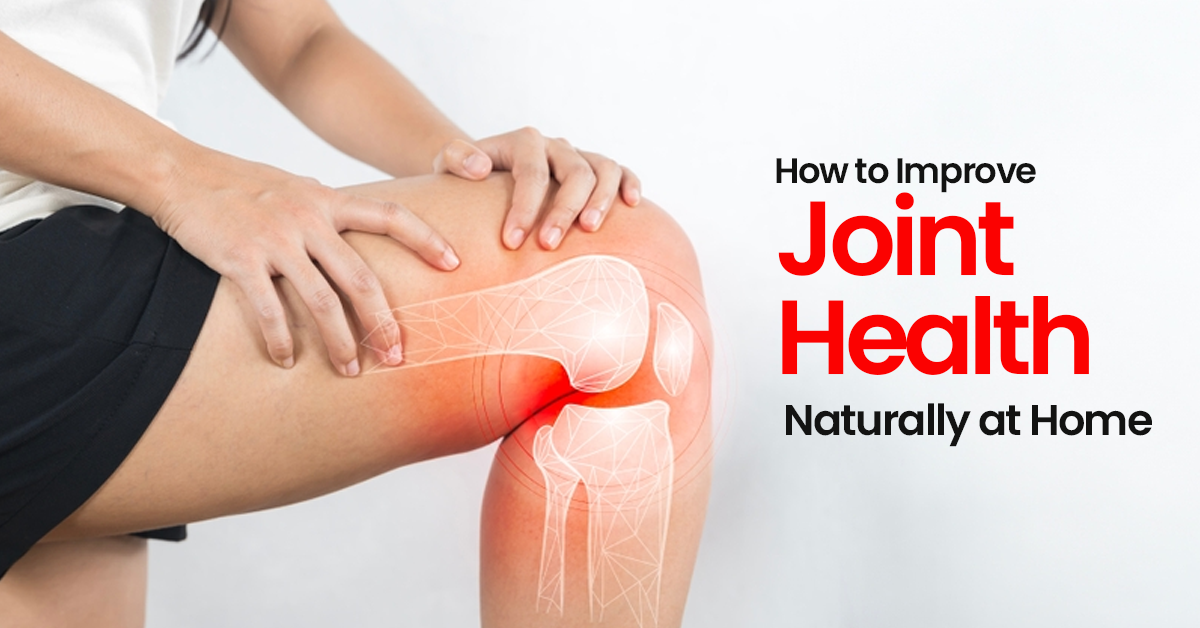
Do your knees feel stiff when you wake up in the morning? Do your shoulders or fingers ache after doing normal daily activities? Then these signs are often your body’s way of telling you that your joints need better care and support.
The good news is that you can improve joint health naturally without any complicated process or expensive treatments. However, it’s not something that can be fixed instantly. You need a clear, medically guided plan that works perfectly for your joints. Even small, steady steps at home can improve joint flexibility, reduce stiffness, and make your everyday movements effortless.
In this short guide, you’ll learn practical and easy ways to improve your joint health naturally at home. You can easily understand these steps, follow and stick with them for the long run.
Table of Contents
Understanding the Biology of Your joint health naturally
Before we start with “how,” we need to understand “what.” Your joints are not just simple hinges like a door. They are living parts of your body that help you bend, twist, walk, and move every single day. If you truly want to improve joint health naturally, you need to support every part that keeps a joint healthy and working well.
- Cartilage: This smooth, slippery tissue protects the ends of the bones and acts as a shock absorber.
- Synovial Fluid: People often call this “joint grease.” This fluid lubricates the joints and helps to allow for frictionless and smooth movements.
- Ligaments and Tendons: These work as connectors between bones and muscle to bone and provide the structural “cables” for better stability.
- Surrounding Muscles: These muscles work as the joint’s first line of defense and absorb the impact before it ever reaches the bone.
What Happens as We Age?
The National Institutes of Health (NIH) states that as people age, their joint tissues naturally undergo changes. Cartilage starts to become thinner, and the synovial fluid loses its density, making your joint movements stiffer.
Even the body’s inflammatory response becomes more “active,” which leads to the breakdown of the tissues in the joints. If not properly treated in time, this process can lead to osteoarthritis, the most common form of arthritis, which affects millions of people worldwide.
But, with proper care and support, this degeneration can be slowed down by optimizing the joint mechanism and controlling inflammation in the early stages.
Common Joint Problems You Might Notice
Joint problems usually don’t start all at once. They build up slowly, and many people ignore the early signs.
Knee pain is very common. You might feel it while climbing stairs, standing up from a chair, or walking for a long time. Extra body weight and weak thigh muscles often put more pressure on the knees.
Hip stiffness is another frequent complaint. It can feel worse in the morning or after sitting for a long time. When you finally stand up, the joint may feel tight or slow to move.
Finger and wrist aches are also common if you work at a desk, type a lot, or use your phone frequently. Poor posture and repetitive movements can put a strain on these small joints.
Over 32 million Americans have osteoarthritis, according to the CDC. Healthy lifestyle changes can make a difference, especially if started early.
Nutrition: Feed Your Joints the Right Way
If you truly want to improve joint health naturally, then start by eating the right food.
What you eat every day can greatly affect inflammation, either lowering or worsening it. Consistent, low inflammation is one of the main reasons cartilage slowly breaks down over time. But the good news is that, by changing your eating habits, you can improve and protect your joints.
Add More of These Joint-Friendly Foods
These fatty fishes are rich in omega-3 fats. Even experts say that omega-3s can help calm down inflammation in the body. It is recommended to eat a couple of times a week.
- Walnuts, chia seeds, and flaxseeds
These nuts and seeds are powerful plant-based sources of healthy fats, especially if you are vegetarian.
- Berries like blueberries and strawberries
These berries are full of antioxidant components that help to protect your joint tissues from damage. A small bowl of these berries a day can help you significantly over time.
- Leafy greens and colorful vegetables
Vegetables like spinach, kale, bell peppers, and broccoli are full of vitamin C and other nutrients your body needs to build collagen. Collagen helps make your cartilage stronger and more flexible.
- Extra virgin olive oil
Olive oil contains a natural compound that works in a similar way to mild anti-inflammatory medicines. Just drizzle it over salads or cooked vegetables instead of using processed oils that are harmful for your joint health.
What to Avoid
You should avoid sugary drinks, fried foods, packaged snacks, and heavily processed meals, because they can increase inflammation, which is bad for joint health. Eating too much of these can ruin your efforts to improve joint health.
You don’t have to follow a strict and perfect diet plan. Just focus on adding more whole, real foods and limiting how much junk food you eat.
Increase Collagen and Protect Your Cartilage
Cartilage is the smooth, cushion-like tissue at the end of your bones that protects them. If it gets damaged, it doesn’t heal easily because it doesn’t have its own blood supply. While it can’t heal completely once damaged, you can still support and protect it with the right nutrition.
Vitamin C is one of the best-known nutrients that supports your joints. It is especially needed to make collagen, the protein that supports cartilage and keeps it strong and flexible. Some of the most well-known sources are oranges, strawberries, bell peppers, broccoli, and other leafy greens. Eating just one of these every day can help your joints get better over time.
Bone broth, gelatin, and other collagen-rich foods can also help you improve joint health. They provide amino acids like glycine and proline, which are building blocks for connective tissue. When used consistently, they can support joint health in the long term.
Maintaining a Healthy Body Weight: Less Pressure, Less Pain
When it comes to joint discomfort or pain, weight plays a more important role than you may think. It’s a simple equation: the more weight you have, the more weight joints have to carry, which results in more stress and pressure. This statement is especially true for joints like your knees, hips, and lower back, which carry most of your body weight.
The Centers for Disease Control and Prevention (CDC) says that for every single pound you lose, you release about four pounds of pressure from your knees with each step. That adds up quickly over a full day of walking.
Even losing 5–10% of your body weight can give your joints significant relief. Many people report less pain, easier movements, and better balance after gradual weight loss.
The other reason weight affects joints is that excessive body fat releases chemicals that increase inflammation in the body, causing damage to your joints. Reducing excess fat relieves joint pressure and lowers body-wide inflammation.
Movement Is Medicine for Your Joint Health Naturally
When joints start to hurt, many people think that after complete rest, everything will be okay. But in most cases, simple, gentle movements actually give relief. If you want to improve joint health naturally, you have to keep your joint movements consistent.
Your joints don’t have their own direct blood supply. They completely depend on movements to stay healthy. When you perform a joint movement, your joint bends and straightens, which pushes and pulls synovial fluids inside your joints. This keeps them lubricated, nourished, and less stiff. Without regular movements, your joints can feel stiffer and weaker.
The key in these movements is low-impact exercises. These activities help to strengthen your muscles without putting too much force and pressure on the joints.
Some of the Best Low-Impact Exercises
- Brisk walking for 20–30 minutes
- Swimming or water exercises, which reduce pressure on knees and hips
- Cycling, which strengthens thigh muscles that protect the knees
- Yoga or gentle stretching, which improves flexibility and balance
- Simple home moves like chair squats, wall push-ups, and glute bridges
Strengthening Muscles to Protect Your Joints
Think of your muscles as bodyguards for your joints. When they’re strong, they take on most of the work. When they’re weak, your joints have to handle more pressure—and that can lead to pain over time.
For example, strong thigh muscles help protect your knees. Strong glutes support your hips and lower back. A steady core keeps everything balanced.
You don’t need a gym membership. Simple moves like chair squats, glute bridges, and wall push-ups done a few times a week can make a real difference.
Hydration and Joint Lubrication
Water is essential for better joints. Synovial fluid inside your joints is mostly made up of water. It works like natural lubricant oil, helping your joints move smoothly. When you stay dehydrated for a long time, this fluid becomes thicker, which can increase joint stiffness and discomfort.
You only need to drink 2 to 3 liters of water a day, but it can change depending on the weather and how active you are. You don’t have to drink it all at once, but you should drink it all day. Lemon water, coconut water, and herbal teas are also good options. Proper hydration supports overall tissue elasticity and helps improve joint health naturally over time.
Natural Anti-Inflammatory Support for Joints
Other than healthy food, regular movement, and strength training, there are certain natural ingredients that give extra support in improving your joint health. The well-known ones include
- Turmeric
It is one of the most famous anti-inflammatory ingredients. It contains curcumin, which is known to lower inflammation in your body. You can mix turmeric with a pinch of black pepper for better absorption in your body.
- Ginger
It is another very effective natural ingredient. Adding fresh ginger in tea or meals can reduce stiffness and help with sore joints.
- Green tea
Green tea is a naturally antioxidant-rich option that helps to protect your joint tissues from damage caused by everyday stress.
The Role of Evidence-Based Supplements
Food should always come first. But sometimes, people choose supplements to give their joint health naturally support.
Common options include omega-3 fish oil, which may help lower inflammation, and vitamin D, which supports strong bones. Since joints are where bones meet, bone strength matters. Some people also try glucosamine, chondroitin, or collagen, which are supplements that may help support cartilage structure, the connective tissue that cushions joints.
Keep in mind that not everyone will get the same results from supplements. Supplements are not a magic potion, and the results also vary for everyone. Talk to your doctor before you start them.
Posture, Ergonomics, and Everyday Habits
From your sitting to your standing posture, your movements throughout the day have a significant impact on your joint health. Slouching or sitting for long hours in a poor position puts uneven pressure on your knees, hips, and back joints. This stress keeps building over time.
Simply while sitting, place your feet flat on the floor and keep your knees at a right angle. Sit tall, and relax your shoulders, not rounded. Keep your screen at your eye level to avoid the need to bend your neck.
Put on shoes that support you and try to stand or stretch every 30 minutes. A little work every day can do a lot to protect your joints.
Sleep and Recovery
Sleeping is not just about resting. It is repair time for your body. While you sleep, your body works quietly to fix and rebuild tissues, including those that are present around your joints. Taking proper sleep also helps to balance hormones that control inflammation and pain.
Not getting enough sleep can make your inflammation worse and your pain worse. That’s why getting 7-9 hours of sleep each night is important for better recovery of joints and overall health.
Just keep a simple routine to go to bed at the same time and avoid screens at least an hour before sleep. A calm mind and good sleep give your joints the time they need to recover.
Stress and Inflammation
Having continuous stress can quietly make your joint pain worse. Constant stress causes your body to release more cortisol, leading to an increase in inflammation. So, less stress means less inflammation.
Managing stress levels has a significant effect on improving joint health.
With simple things like slow deep breathing, light stretching, short casual walks, or even spending some time without your phone can be a significant help in managing stress.
When to Seek Medical Evaluation
Using natural ways to improve joint health can be very effective, especially in the early stages. But there are times your body needs more than just home care. However, before using any other methods, talk to your doctor first.
You should get help from a healthcare professional if you have:
- Swelling that lasts for weeks
- A joint that feels warm or looks red
- Sudden trouble moving or putting weight on a joint
- Severe pain after an injury
- Pain that wakes you up at night
Final Thoughts
Finding one perfect food or exercise won’t help your joints get better naturally. It is about sticking to healthy habits and following them through. Eating foods that keep inflammation low, exercising regularly, increasing muscle strength, staying hydrated, managing weight, getting enough sleep, and managing stress are all of these simple habits that together work to improve joint health naturally.
These changes won’t happen right away, but over time, you’ll notice that your joints are less stiff and move more easily. The aim is to protect your joints for future mobility, not just to relieve pain.
And don’t ignore the pain if it keeps getting worse. Natural methods work, but they can’t take the place of medical care. If you need it, get the right medical help.
Small daily efforts today can lead to stronger, healthier joints tomorrow.
Frequently Asked Questions (FAQs)
1. How long does it take to improve joint health naturally?
If you are consistent with lifestyle changes, within 4 to 8 weeks you might start seeing improvement in stiffness and mobility. But for improvements, such as better muscle support and lower inflammation, it might take longer, and the results are different for everyone, so don’t compare yourself with others.
2. Can cartilage repair itself naturally?
Because of the lack of direct blood supply, cartilage has very limited repairing ability. While a completely damaged joint cannot heal itself, you can improve it naturally by reducing inflammation, strengthening the muscles, and enhancing the joint mechanism.
3. Is walking good for joint pain?
Yes, slow-paced walking is beneficial for joints. However, refrain from walking on rough surfaces for long durations, because it can worsen symptoms or discomfort.
4. Are natural supplements safe for long-term use?
People generally believe that many natural supplements, such as glucosamine, chondroitin, collagen, and omega-3 fatty acids, are safe to use with care. You should always talk to your doctor before taking any kind of vitamins or minerals.
5. Does weight loss really reduce joint pain?
Yes, losing weight can help with joint pain. Your joints don’t have to work as hard and are less stressed when you lose weight.
6. When should I see a doctor?
If your joint pain doesn’t go away or gets worse with home care, your joint is swollen, red, hot, very painful, or difficult to move for a while, then you should see a doctor.

Olivia Reed
Olivia Reed Grant serves as a medical content reviewer and wellness editor at Better Health Focus. She reviews health articles for accuracy, clarity, and safety alignment before publication. Her focus areas include mental wellness, lifestyle medicine, joint and bone health, dental care basics, and behavior-based health improvement. Her review process includes cross-checking claims against reputable medical sources, confirming safety language, and ensuring that recommendations stay within general education boundaries.