

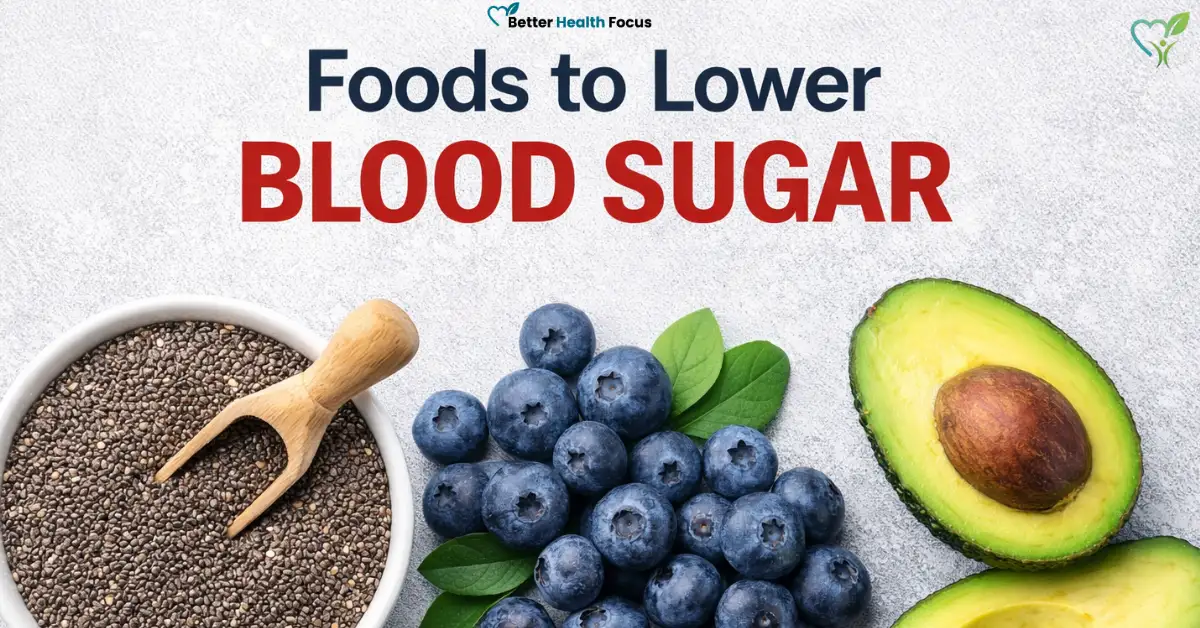
While it’s true that genetics, body weight, and physical activities play an important role in managing blood sugar levels, eating healthy is also as important as these factors. Whether you are dealing with diabetes or prediabetes or want to keep your blood sugar balanced, the foods you eat play an important role.
In this blog, we will discuss the best foods that can lower blood sugar naturally at home.
Table of Contents
Why Food Matters So Much to Lower Blood Sugar
When you eat food, your body breaks it down into glucose, which causes a spike in your blood sugar. It means what you eat, how much you eat, and what you eat it with are all important. According to the CDC, complex carbs increase blood sugar more slowly because they contain more fiber and other starches that take longer to digest. Eating protein-rich, carb meals can help you feel full for a longer period of time.
Fiber is very helpful in lowering blood sugar. It offers special benefits for people with prediabetes or diabetes. Fiber is mainly found in whole grains, fruits, and legumes. Studies indicate that most adults are able to meet half their daily fiber needs. This matters because fiber slows digestion and helps keep blood sugar under control.
To lower blood sugar naturally, make sure your meals are fiber-rich, include enough protein, and are low in sugar. You can use the CDC’s plate method, in which you fill half of your plate with non-starchy vegetables, one quarter with carbs rich in fiber, and one quarter with protein. This helps you balance your meals easily at home.
10 Best Foods to Lower Blood Sugar Naturally
1. Spinach
Spinach is a powerful nutritional package to support metabolic health. It is very low in calorie count and carbohydrates, which means it has barely any effect on your blood sugar levels.
The Science:
Spinach is rich in magnesium. According to the National Institutes of Health (NIH), magnesium is an essential mineral for the action of insulin. Most people with type 2 diabetes have low magnesium levels, which makes their insulin resistance worse. Eating lots of spinach helps process sugar (glucose) more effectively.
Practical Tip:
You can add a handful of spinach to your morning eggs or blend it into a smoothie. When you cook it, it shrinks down to almost nothing, so it’s easy to eat a lot of it.
2. Blueberries
Unlike other fruits that are high in natural sugar, blueberries are different. They are low in the glycemic index (GI) and high in nutrients.
The Science:
Blueberries are full of anthocyanins. Research by the CDC and NIH says that these antioxidants can improve insulin sensitivity, which means your cells become better at hearing the signals from insulin to let sugar (glucose) enter cells for energy production.
Practical Tip:
Try to have a ½ cup serving. To make sugar more useless, you can eat it with walnuts or a spoonful of plain Greek yogurt.
3. Avocados
Avocados are one of the few fruits that have almost zero sugar. Furthermore, they are full of healthy fats and fiber.
The Science:
The avocados have monounsaturated fats. Not only do avocados protect your heart, but they also keep your blood sugar from rising after a meal. According to the national dietary guidelines, replacing saturated fats with unsaturated fats, like those found in avocados, can significantly improve your overall metabolic health.
Practical Tip:
You can use mashed avocados as a spread on whole-grain toast instead of butter or jam. This can add healthy fats that slow down the absorption of the bread’s carbs.
4. Chia Seeds
Chia seeds are one of the best sources of fiber on the whole planet. Just two tablespoons contain nearly 10 grams of fiber.
The Science:
When you put chia seeds into water, they turn into a thick gel form. This same process happens in your stomach. According to the NIH, this fiber creates a barrier that prevents sugar from rushing into your bloodstream. This action means there is no sudden spike in blood sugar.
Practical Tip:
You can make a pudding from chia seeds by mixing 2 tablespoons of them with half a cup of unsweetened almond milk. Leave it for the whole night, and your blood sugar-friendly breakfast will be ready.
5. Salmon
While salmon doesn’t have fiber or carbohydrates, it is necessary for better blood sugar management. It contains omega-3 fatty acids and high-quality protein, which helps in this process.
The Science:
Protein doesn’t increase blood sugar, but it does trigger your “satiety hormones” that make you feel full for longer. According to the WHO, the omega-3s found in fatty fish help reduce chronic inflammation, which is a major contributor to insulin resistance.
Practical Tip:
Try to have 2 servings of fatty fish each week. Baking or poaching salmon helps to keep it healthy without adding extra breading or sugar-filled sauces.
6. Apples
Apples are a simple fruit that you can eat every day. It helps to keep your blood sugar more stable. They are full of soluble fiber, which helps slow the absorption of sugar (glucose).
The Science:
Apples have natural plant compounds like quercetin and chlorogenic acid that support blood sugar management. Research shows that eating 20-30 minutes before a meal can reduce spikes in blood sugar.
Practical Tip:
You can eat a whole apple as a snack or about 20–30 minutes before your main meal. Don’t peel its skin, as most of the fiber is found there.
7. Broccoli
Broccoli is a non-starchy vegetable that provides a large amount of nutrition for very few calories.
The Science:
Broccoli has a compound called sulforaphane. Research indicates that sulforaphane can help decrease glucose production in the liver. This compound especially helps to manage fasting blood sugar levels.
Practical Tip:
You can steam or lightly sauté your broccoli. Cooking too much can destroy some of the beneficial sulforaphane enzymes.
8. Walnuts
Because they offer the ideal ratio of fiber, protein, and healthy fats, walnuts make a fantastic snack choice.
The Science:
According to a study by the CDC, regularly eating walnuts can significantly lower the risk of developing type 2 diabetes. The polyunsaturated fats in walnuts help improve how your body responds to insulin.
Practical Tip:
Keep a small jar of raw, unsalted walnuts in your bags. If you feel hungry between meals, eat a small handful (around 7 walnuts). This can help keep you from eating sugary snacks.
9. Greek Yogurt (Unsweetened)
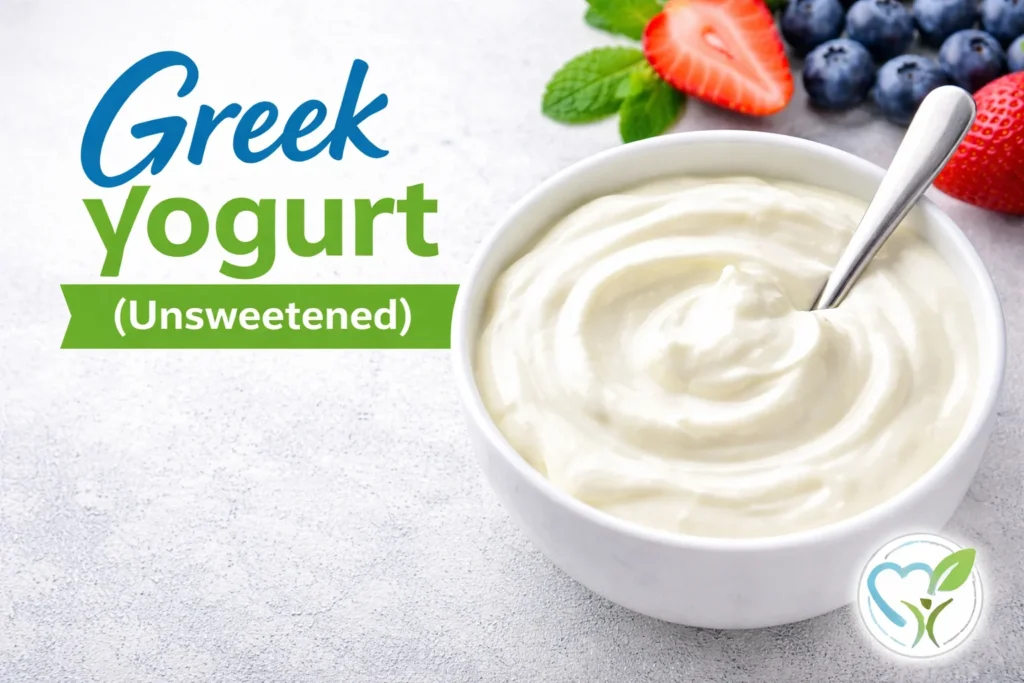
Greek yogurt is strained to remove its liquid whey, which results in a product that is much higher in protein and low in sugar than a regular one.
The Science:
Greek yogurt is a fermented food, which means it contains probiotics. The NHS and NIH both suggest that a healthy gut microbiome plays an important role in how your body manages glucose.
Practical Tip:
Make sure to check the label for “added sugar.” Many fruit-flavored yogurts have as much sugar as a soda. Try to have plain Greek yogurt, and for flavor, you can add fresh blueberries yourself.
10. Eggs
Some blamed eggs for years, saying they cause heart issues. However, the American Heart Association (AHA) and the CDC recognize them as an excellent protein source.
The Science:
The glycemic index of eggs is zero. Eating a protein-rich breakfast, like eggs, has been shown to have effects that reduce the “second meal effect.” This means that eating eggs for breakfast helps to keep your blood sugar more in control, not just after breakfast, but for a long time.
Practical Tip:
Hard-boiled eggs are the ultimate “fast food.” Keep some eggs in the fridge for a quick snack that won’t touch your sugar levels.
Simple Habits That Make Healthy Eating Easier
The best food plan is one that you can follow consistently without any major issues. The NHS says small changes each week can make healthy eating easier, and CDC guidance also encourages meal planning and using the plate method. That means there is no need to change your entire kitchen in one day.
A few habits that can make a big difference at home:
- Keep already-cut vegetables ready in the fridge.
- Keep plenty of beans, oats, plain yogurt, nuts, and frozen vegetables, so you always have a few different options.
- Use a smaller plate if large portions are a habit for you.
- Pair carbs with protein or healthy fats instead of eating them alone.
- Drink water more often and keep sugary drinks for rare occasions.
These are small steps, but they will provide significant results over time. Consistent, simple habits often beat tough plans for a week or two.
Conclusion
Eating healthy to keep your blood sugar in control doesn’t mean you have to follow a perfect and strict diet. Aim to add the above-mentioned healthy foods into your daily meals.
You don’t have to change everything all at once. Start slowly and speed up over time. And please keep in mind that eating well isn’t the only thing you should be doing. Both healthy habits and physical activity are essential to lower blood sugar.
Stay consistent, keep it simple, and you’ll be on the right track toward better blood sugar control and overall health.
Frequently Asked Questions
1. Which foods can help reduce blood sugar?
Vegetables, nuts, beans, and yogurt are all foods that are high in fiber and protein. They can help slow down the absorption of sugar in the blood. They won’t lower blood sugar levels right away, but if you use them regularly, they can stop sudden spikes or keep your levels stable.
2. Can I eat fruits even if I have high blood sugar?
You are allowed to eat. Whole fruits, such as apples and berries, are a healthy option for keeping blood sugar levels stable. Simply don’t eat large portions and avoid juice, which can quickly raise blood sugar levels.
3. Are carbs bad for blood sugar?
Not all carbohydrates are bad. Whole grains, steel-cut oats, and beans are healthy foods to eat because they take longer to digest, preventing blood sugar spikes like refined carbs.
4. Do I need to avoid sugar completely?
No, but you should only eat a small amount of it. Eat foods with less sugar, more than whole foods.
5. Does drinking water help lower blood sugar?
Water’s work is to keep your body hydrated and support normal blood sugar levels. You should always choose water instead of sugary energy drinks when thirsty because they can increase blood sugar quickly.
6. Can food alone lower blood sugar?
While food does play a big role in controlling blood sugar, it cannot alone keep it stable. You need a balance in physical activity, food, healthy habits, good sleep, and medical care if needed to lower blood sugar.

Daniel Brooks
Daniel Brooks is a senior health writer and research editor focused on evidence-based wellness, preventive health, and nutrition science. He specializes in translating complex medical and health research into clear, practical guidance for everyday readers. His work covers weight management, metabolic health, digestive wellness, blood sugar balance, and men’s and women’s health topics.
Daniel follows a research-first writing process and references peer-reviewed studies, public health agencies, and clinical guidelines when developing content. At Better Health Focus, he leads topic research, source verification, and article drafting, ensuring that every guide is structured, up-to-date, and reader-focused.
He is committed to responsible health publishing standards, transparent sourcing, and regular content updates.