


Introduction to the Gut Microbiome
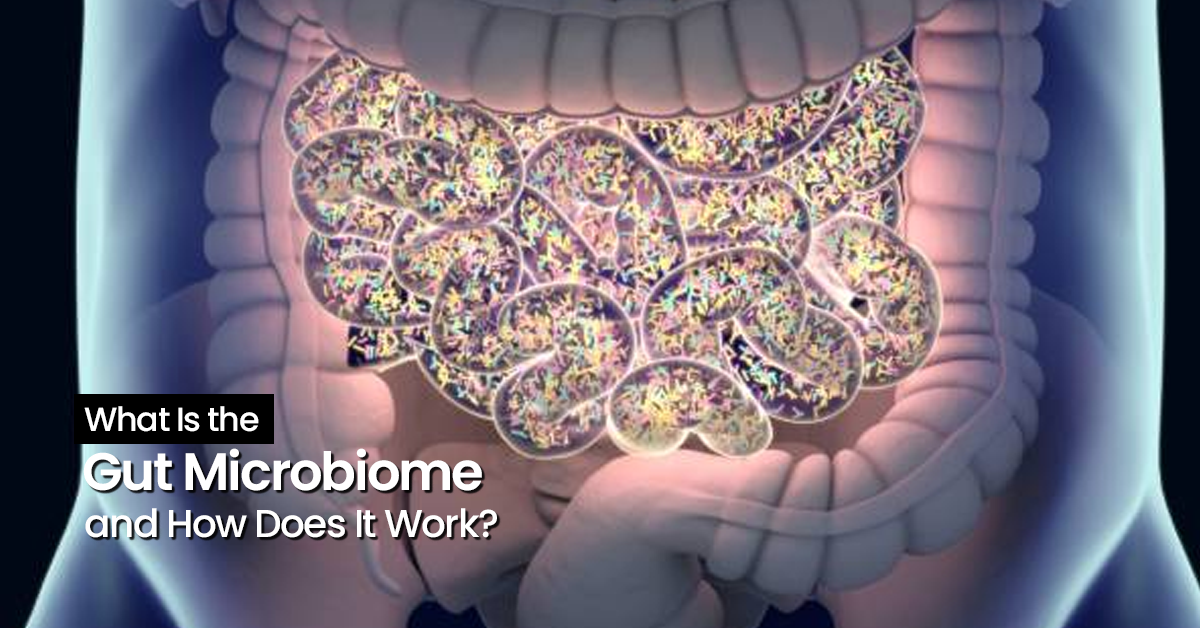
You’re not imagining it if you think “gut health” is suddenly everywhere. Scientists discovered that your digestive system is home to a huge, busy colony of trillions of microorganisms, including bacteria, viruses, and fungi. Your gut microbiome is like a small ecosystem inside your body.
Bacteria are usually considered “bad,” but most of these bacteria in the gut microbiome are actually very helpful to your body. Think of them as an “unseen organ” that works behind the scenes to:
Boost Immunity: Teach your body how to fight off bad germs.
Fuel Metabolism: It helps you break down food and control your energy.
Balance Mood: Making chemicals like serotonin that help you feel positive.
In short, your gut is not just a food processor; it is the center of your overall health. When this ecosystem is in balance, you feel good and have a lot of energy. When it’s unbalanced, it can affect everything from your skin to your sleep.
To take control of your health, you must first comprehend this intricate ecosystem, beginning from within.
Table of Contents
What is the Gut Microbiome?
The gut microbiome is the huge, living community of trillions of microorganisms, like bacteria, viruses, fungi, and other microbes, that mostly live in your large intestine. These tiny organisms are not just passengers; they are part of a vital ecosystem for your health.
The word “microbiome” refers to both the microbes themselves and the genetic material that they all share. This material affects how they work and how they interact with your body. Each person’s gut microbiome varies depending on their birth, diet, location, medications, and lifestyle.
When they are in balance, helpful microbes help break down some fibers, make important nutrients and compounds, boost the immune system, and protect the gut lining. But when this ecosystem gets out of balance, which is called dysbiosis, it can lead to digestive problems, inflammation, and other metabolic or immune imbalances.
The first step to understanding how much your gut health affects your overall health is to learn about the gut microbiome.
What Is the Role of the Gut Microbiome?
The gut microbiome does many important things that have a direct impact on your health. One of its most important jobs is to help your body break down food and absorb nutrients. Some plant fibers are too tough for people to break down on their own, so good gut bacteria do it for them. They help your body get the nutrients it needs and make important substances.
Some of these microbes even make important nutrients like butyrate, vitamin K, and some B vitamins. Butyrate is especially beneficial for feeding the cells lining the colon and keeping the intestinal lining strong and healthy.
Other than digestion, the gut microbiome also supports your immune system. Most of your immune system is present in the gut. Good bacteria help to improve your immune cells so they can respond and deal appropriately with harmful invaders and not attack beneficial ones. These bacteria also fight against harmful ones, which decreases the chances of you getting sick easily.
When the balance between good and bad bacteria gets disturbed—what we call dysbiosis—it affects your digestion, slows down your body’s defenses, and can also affect your overall health.
How Does the Gut Microbiome Work?
Your gut microbiome is like a busy, living system that lives inside of you. It talks to your brain, hormones, and immune system all the time. It helps break down food, but it does more than that. It makes things that are good for your health, protects the lining of your gut, and helps control inflammation. Let’s understand it more simply.
Breakdown of Fiber and Fermentation
The small intestine doesn’t break down dietary fiber. Instead, it goes to the colon, where good bacteria break it down. During this process, they make short-chain fatty acids (SCFAs), which are:
- Butyrate
- Acetate
- Propionate
Butyrate is the most important among these. It:
- Gives energy to the cells that line the colon
- Makes the intestinal barrier stronger
- Helps lessen swelling
- Aids in the health of the whole metabolism
If you don’t eat enough fiber, the good bacteria in your gut can die off. That means that fewer SCFAs are made, which could make the gut weaker over time.
The Gut–Brain Axis: How the Brain Talks to the Gut
The gut-brain axis is a two-way communication system that connects your gut and brain very closely.
This link works by:
- The nerve that runs through the body
- Immune signaling
- Hormonal pathways
- Creating neurotransmitters
Some bacteria in the gut make neurotransmitters like serotonin and GABA. A lot of the body’s serotonin is made in the gut, in fact.
Researchers are currently investigating how microbiome imbalances are related to:
- Anxiety
- Sadness
- Foggy brain
- Increased sensitivity to stress
While this field is still developing, the gut-brain connection is one of the most exciting new fields for research.
Hormones and Metabolism
The gut microbiome also affects several aspects of metabolism and hormone regulation, such as:
- Insulin sensitivity
- Blood sugar balance
- Storing fat
- Hormones that control appetite
Certain bacteria affect how well the body extracts calories from food and certain bacteria support hormones, such as ghrelin and leptin in regulating hunger.
Studies show that the microbiome contributes to estrogen metabolism via the “estrobolome,” a consortium of bacteria engaged in hormone regulation.
This helps explain why gut health might affect:
- Managing weight
- PCOS
- Metabolic syndrome
- Overall hormonal balance
Inflammation and Immune Health
A healthy gut lining keeps toxins and harmful microbes out of the bloodstream by acting as a barrier.
Good bacteria help by:
- Making the gut lining’s tight junctions stronger
- Producing anti-inflammatory compounds
- Controlling how immune cells work
Dysbiosis can make the lining of the gut more open. This could let molecules that cause inflammation move around in the body. Chronic low-grade inflammation has been linked to various modern health problems, such as metabolic and autoimmune disorders.
So, keeping a healthy microbiome isn’t just important for digestion; it’s also important for long-term immune strength and overall health.
Factors That Affect the Gut Microbiome
The gut microbiome keeps changing every day based on how you live.
The diet is the most important thing. Eating plant-based foods that are high in fiber helps good bacteria grow and keeps your gut healthy and balanced. On the other hand, eating a lot of sugar and processed foods and not enough fiber can help harmful bacteria grow.
While sometimes you need antibiotics, they can kill both good and harmful bacteria. Repeated use over time may make microbial diversity less.
Sleep and stress are also important. Stress that lasts for a long time can change the balance of bacteria in your gut and make it harder for you to digest food. Problems with metabolism and balance have been linked to not getting enough sleep.
Exercise is also helpful. Moderate exercise on a regular basis helps your microbiome stay healthy and diverse.
Lastly, your microbiome changes naturally as you age. Without proper nutrition and healthy habits, its variety can go down over time.
Signs of an Unhealthy Gut Microbiome
There are medical tests that can check the health of your gut, but sometimes your body will give you early warning signs that something is wrong.
Some common signs that there may be an imbalance are:
- Bloating that doesn’t go away
- Too much gas
- Constipation or diarrhea
- More food sensitivities
- Getting sick a lot or getting a cold
- Skin problems like eczema or acne
- Always being tired
- Brain fog or trouble concentrating
- A strong desire for sugar
Keep in mind that having these symptoms doesn’t always mean you have dysbiosis. But if you keep having a lot of them, it might be a sign that you need to take a closer look at your diet and way of life. If you pay attention to these signs, you can do something about them before they get worse.
How to Improve Your Gut Microbiome Naturally
You don’t need extreme diets, high-priced dietary supplements, or complicated detox plans to improve your gut microbiome. Research continuously shows that simple, sustainable each day behavior has the finest long-term impact on gut health. Small modifications practiced often can appreciably enhance microbial range, reduce infection, and improve digestive resilience.
Eat more fiber
Dietary fiber is one of the most vital nutrients for a healthy gut microbiome. Fiber feeds beneficial microorganisms in the colon, permitting them to produce quick-chain fatty acids like butyrate that assist gut lining integrity and decrease irritation. Aim to consist of an expansion of plant-primarily based foods consisting of veggies, culmination, legumes, whole grains, nuts, and seeds. Diversity subjects — the greater kinds of plant meals you eat, the extra diverse your intestine micro organism can emerge as.
Include fermented foods
Fermented foods certainly contain stay microorganisms that could help assist microbial stability. Regularly eating alternatives including yogurt with stay cultures, kefir, sauerkraut, kimchi, or traditional fermented ingredients can introduce beneficial micro organisms into the digestive system. While fermented ingredients aren’t a remedy-all, consistent consumption may additionally contribute to stepped forward digestion and immune regulation.
Add foods that are good for your gut.
Prebiotics are specific types of fiber that nourish beneficial gut bacteria. Foods rich in prebiotics include garlic, onions, leeks, asparagus, bananas, oats, and chicory root. These foods act as fuel for good bacteria, helping them grow and maintain balance within the microbiome. Including prebiotic foods daily can strengthen gut function over time.
Manage stress
Managing stress is essential for better gut health. Activities like walking, deep breathing, and being mindful are all simple habits that can help the gut-brain connection.
Get proper sleep
Get 7 to 9 hours of sleep each night. For better gut health, you need to get enough sleep.
Be careful with antibiotics
Antibiotics should only be used when absolutely necessary and with a doctor’s advice, as their benefits can sometimes be outweighed by their side effects.
Gut Microbiome and Overall Health
Research has made it clearer that gut health is important for more than just nutrition. The types of bacteria living in your gut—and the balance between them—can affect how your body stores fat, how hungry you feel, and how responsive your insulin is.
Through the gut-brain connection, the microbiome also impacts mood, attention, and mental health in general. Many experts now agree that having a balanced gut is good for your mind and body.
A healthy gut microbiome strengthens the immune system and helps control inflammation. A disruption in this balance could result in long-term health issues. A difference in the bacteria in the gut, called dysbiosis, has been linked to inflammatory bowel diseases, type 2 diabetes, heart disease, and autoimmune disorders.
Having good gut health is more than important for better digestion. It’s an important part of protecting your long-term well-being.
Frequently Asked Questions
1. Is it possible to improve your gut microbiome?
Yes, it is possible. Eating foods high in fiber, getting enough sleep, staying active, and managing stress are all things you can do to slowly improve your gut health. You won’t see results right away, but they will come with time.
2. How long does it take for the gut microbiome to get better?
You may notice small changes within a few days of eating better. But it usually takes several weeks or months of consistent, healthy habits to really make your gut microbiome more diverse and balanced.
3. Are probiotics necessary?
Not always. According to many people, eating foods high in fiber and fermented foods can help to improve gut health. Probiotic supplements can help in some cases, but it’s best to talk to a doctor before taking them.
4. What harms the gut microbiome?
Frequent use of antibiotics, chronic stress, low-fiber diets, highly processed foods, too much sugar, and not getting enough sleep are all common things that can be bad for the gut microbiome.
5. Is gut testing necessary?
Most healthy people don’t need to have their gut tested on a regular basis. A lot of the time, symptoms and lifestyle habits are enough to help you start making positive changes.
Final Thoughts
Your gut microbiome is more than just a bunch of bacteria that live in your digestive system. It is a living and active ecosystem that helps break down fiber, make important nutrients, lower inflammation, keep hormones in balance, and even talk to your brain.
Gut health plays an important role in how your body works every day. A balanced gut microbiome enhances the functioning of your immune system, improves your metabolism, and sharpens your mind.
You don’t have to make big changes to your life to make your gut microbiome better. Eating more high-fiber foods (including fermented ones), managing stress, getting enough sleep, and taking your medications as directed are all simple things you can do every day to improve your gut microbiome.
These little, consistent steps add up. Taking care of your gut is really about taking care of your whole body, both now and in the future.

Daniel Brooks
Daniel Brooks is a senior health writer and research editor focused on evidence-based wellness, preventive health, and nutrition science. He specializes in translating complex medical and health research into clear, practical guidance for everyday readers. His work covers weight management, metabolic health, digestive wellness, blood sugar balance, and men’s and women’s health topics.
Daniel follows a research-first writing process and references peer-reviewed studies, public health agencies, and clinical guidelines when developing content. At Better Health Focus, he leads topic research, source verification, and article drafting, ensuring that every guide is structured, up-to-date, and reader-focused.
He is committed to responsible health publishing standards, transparent sourcing, and regular content updates.