


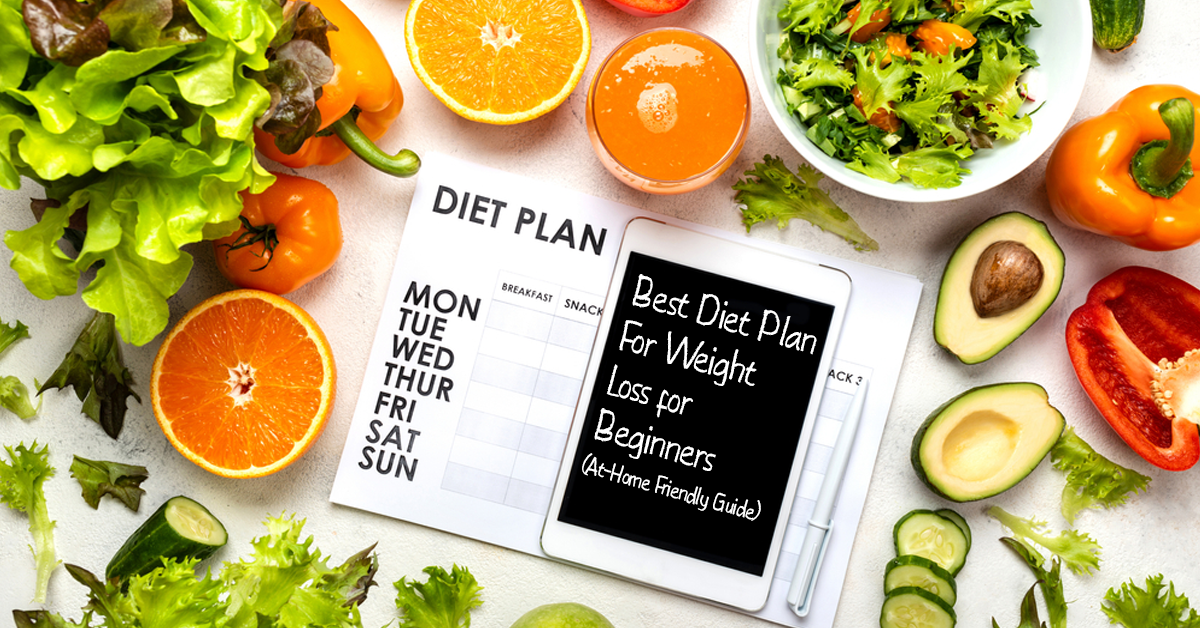
Starting a weight loss journey can feel confusing—especially if you’re a beginner. One day, you hear about cutting carbs. The next day, someone tells you that you need to fast for 16 hours. There are a lot of strict diet plans, detox drinks, and “quick fixes” on social media that promise quick results. After all this, many people feel overwhelmed before they even start.
The good news is that the best diet plan for beginners who want to lose weight at home doesn’t have to be hard. You don’t have to follow strict rules, purchase expensive programs, or create difficult and fancy meal plans. And you certainly do not need to starve yourself.
For beginners, the best approach is to keep things simple and consistent. A good diet plan should help you lose fat slowly while keeping your energy up and protecting your muscles and metabolism. You should be able to do it in real life with the foods you already have at home.
We’ll make everything clear and simple in this short guide so you can start your weight loss journey with confidence, not confusion.
Table of Contents
Understanding Weight Loss Before You Start
Before starting any new diet plan, you should know one important thing: weight loss doesn’t mean starving yourself or giving up your favorite meals. It is about making a simple, realistic, and personalized eating plan that you can actually follow.
A good diet plan helps you eat slightly less than your body needs, enough to avoid feeling tired, cranky, or continually hungry. Your body fights back when you cut too many calories. You might have intense cravings, low energy, and mood swings, and, over time, your metabolism might slow down. That’s why rigorous diets don’t usually work in the long term.
Instead of thinking about what you can’t have, think about what you can have. Your meals should have enough protein to keep your muscles strong, fiber to keep you full, healthy fats to help balance your hormones, and plenty of vitamins and minerals from whole foods. When you eat the right foods, losing weight is easier and lasts longer.
It’s also important to keep in mind that each person’s body is unique. How quickly you see results depends on your age, how active you are each day, how well you sleep, how stressed you are, and your overall health. It can be frustrating to compare yourself to other people online. It’s normal for things that work quickly for one person not to work the same way for you.
Set realistic goals before you start. Most of the time, healthy weight loss takes time. At first, slow and steady progress may not seem like much, but it’s easier to keep up. And in the end, consistency is always better than quick fixes.
It’s much easier to pick the right diet plan once you know these basics. You can stop following trends and start forming habits that will help you lose weight and stay healthy for the long term.
Basic Rules for a Beginner’s Weight Loss Diet Plan
It is easy to get confused by all the different diet plan names, like keto, low-carb, intermittent fasting, detox plans, and many more, if you are a beginner and just starting your weight loss journey. But the truth is that as a beginner, you don’t need to follow many rules. A few simple rules that you can follow regularly are enough to help you. Let’s discuss these simple rules for better understanding.
1. Put Protein First
Protein keeps you full for longer, makes you want to eat less, and most importantly, it helps protect your muscles while you lose fat. That matters because muscle keeps your metabolism going. When you lose weight, you want to lose fat, not muscle.
Some good protein options are
- Eggs
- Greek yogurt
- Cottage cheese or paneer
- Beans and lentils
- Breast of chicken
- Fish
- Tofu
Try to include protein in every meal. This will keep you from being hungry in the afternoon and craving snacks.
2. Don’t be scared of carbs; pick the right ones.
Often, carbohydrates are considered the reason for weight gain, but not all carbs are responsible for this. Highly processed carbs, like sugary snacks and refined flour products, are some carbs you should avoid. However, whole, high-fiber carbohydrates are beneficial, as they help you feel full and provide energy.
Some good options are
- Oats
- Brown rice
- Quinoa
- Roti made with whole wheat
- Veggies
- Fruits
In this case, fiber is crucial. It helps you digest food, keeps you full longer, and keeps your blood sugar levels steady. You are less likely to feel sudden hunger or cravings when your blood sugar is stable.
3. Add healthy fats, but be careful with how much you eat.
Healthy fats help hormones work better and make meals more satisfying. But they are high in calories, so it’s crucial to be careful about how much you eat.
Some good sources are
- Seeds and nuts
- Oil from olives
- Avocado
- Nut butters (in small amounts)
Most of the time, the best meals have a mix of healthy fats, protein, and carbs that are high in fiber. These kinds of meals will fill you up, give you energy, and make it less likely that you’ll eat too much later.
You don’t have to follow very low-carb or very low-fat diets to make progress. You need to eat in a balanced way, stick to it, and eat reasonable amounts.
Simple At-Home Plate Method for Beginners
As a beginner, counting calories can be difficult, but don’t worry, you don’t have to do it. A much easier way to build a perfect, healthy, and balanced meal is by using the simple “plate method.” There’s no complicated process, just a quick way to make your plate perfect.
First, fill your half plate with vegetables. You can choose any vegetables that you enjoy. They are low-calorie, high in fiber, and keep you feeling full without overeating.
In the next step, fill one-fourth of your plate with protein. It can be anything, like eggs, chickens, lentils, tofu, paneer, or yogurt. Protein helps to keep your hunger under control and support muscles during weight loss.
Finally, the last one-fourth of your plate can be whole carbs like brown rice, whole wheat roti, oats, or quinoa. These give you steady energy and help you prevent sudden cravings.
Sample 7-Day Beginner Diet Structure
Now that you know the basics, let’s get to the next step. This is a sample 7-day diet plan for beginners who want to have some self-control but not feel like they’re missing out. You can change it and make it fit your needs.
| Day | Breakfast (Protein/Fiber Focus) | Lunch (Volume/Fiber Focus) | Dinner (Lean Protein/Veggie Focus) | Snack (Hunger Management) |
| Mon | Overnight oats with berries | Lentil & butternut soup | Beef bolognese with polenta | Watermelon mint smoothie |
| Tue | Scrambled eggs with spinach | Turkey & avocado wrap | Lentil soup with whole-grain bread | Apple or 10 almonds |
| Wed | Greek yogurt parfait with flax | Tuna salad on multigrain | Grilled chicken & broccoli | Hummus with carrot sticks |
| Thur | Avocado toast & eggs | Chickpea & vegetable soup | Baked salmon & quinoa | 1 tub low-fat yogurt |
| Fri | Berry smoothie & Peanut butter toast | Kale salad with chickpeas | Turkey & frozen veggie stir-fry | 1 medium orange |
| Sat | Muesli with banana & milk | Homemade chicken burger | Baked fish & roasted veggies | Greek yogurt & cucumber |
| Sun | Chia seed pudding with berries | Whole-grain pita with turkey | Sheet-pan roast chicken | 1 apple or pear |
Foods to Limit for Better Results
You should avoid or only eat small amounts of some foods, such as
- Highly Processed Snacks
Chips, cookies, sugary cereals, and refined baked goods that come in packages are usually high in calories but low in fiber and protein. These don’t keep you full for long, and it’s easy to cause overeating.
- Sugary Drinks
You can get many extra calories from sodas, sweetened teas, energy drinks, and flavored coffee drinks without feeling full. Liquid calories don’t make you feel full like solid food does.
- Deep-Fried and Fast Foods
Fast food and fried foods are often high in salt and fat. They can quickly add calories to your diet and make you feel full.
- Refined Carbs
Refined carbs like white bread, white pasta, and others can give you a quick boost of energy, but they will also make you hungry again soon after.
Hydration and Its Role in Weight Loss
One of the easiest things you can do to help lose weight is to stay hydrated. Water aids digestion, boosts your metabolism, and can even help you control your hunger. Sometimes, what you think of as hunger is really just thirst.
Drinking a glass of water before meals and keeping water close by during the day is a wonderful habit to get into. The initial step is a modest change, but over time it can make a big difference.
Common Beginner Mistakes to Avoid
Many beginners unintentionally slow their progress by:
- Skipping meals
- Eating too little protein
- Avoiding all carbohydrates
- Not sleeping enough
- Over-relying on cardio without strength training
Weight loss works best when diet and lifestyle habits support each other.
The Important Role of Exercise in Weight Loss
Eating well is the most important part of losing weight. However, exercise is one of the best tools to make your results even better. Eating well and exercising regularly not only helps you lose fat but also makes you fitter and speeds up your metabolism.
Strength training is a big help during weight loss! It keeps your muscles strong and makes your body burn calories faster, even when you’re eating less.
You don’t have to spend hours at the gym to see results. You can increase your daily calorie burn without exerting yourself. Simply walking, biking, or performing light workouts at home will suffice.
The goal should be to move regularly and choose activities you can stick with.
When Will You Start to See Results?
Most beginners start to notice changes in the first two to three weeks. In starting, you may feel less bloated, have more energy, and have fewer cravings. However, it takes longer to see any significant fat loss—usually a few weeks to a few months—depending on where you started and how consistent you are.
Healthy weight loss takes time. Results that happen quickly don’t usually last longer. Be consistent, focus on small healthy habits, and give your body time to get used to the changes.
When to Seek Professional Help
You should see a doctor if:
- You have diabetes, either type 1 or type 2.
- You have thyroid disorders (hypothyroidism or hyperthyroidism).
- You have PCOS or another hormonal problem.
- You are taking drugs that change your appetite, blood sugar, or weight.
- You’ve had problems with eating in the past.
- You have strange symptoms like extreme tiredness, dizziness, hair loss, missed periods, or weight changes that happen quickly and for no clear reason.
It’s also important to ask for help if:
- Without trying, you’re losing weight too quickly.
- You always feel weak or sick.
- Your efforts to lose weight are making you stressed, anxious, or eat in an unhealthy way.
Healthy weight loss should make you feel better over time, not worse.
Final Thoughts
The ideal diet plan for beginners to lose weight is the one that you can really stick to without feeling deprived or restricted. The key to making long-term progress is eating balanced meals, getting enough protein and fiber, knowing how much you’re eating, staying hydrated, exercising regularly, and having habits that are easy to keep up with.
Rather than going for quick transformations, beginners should focus on building healthy habits and having a routine that they can keep up with. Following a healthy and balanced lifestyle can help you get better results.
Frequently Asked Questions
How can I stop feeling hungry all the time when I’m dieting?
When you plan your meal, make sure to include protein and fiber. Protein tells your brain that you are full, and fiber slows down digestion, which keeps you full for longer.
Do I have to stop eating my favorite foods while dieting?
No. Weight loss doesn’t mean you have to stop eating your favorite foods. But make sure you eat them occasionally and in smaller amounts. Healthy eating shouldn’t be a punishment but something you can do consistently.
Is skipping meals a beneficial idea for weight loss?
Skipping meals can reduce calories, but it usually backfires. Skipping meals can make you hungry later and cause overeating. Frequent, balanced meals work better than starvation.
Do I need to exercise to lose weight?
You can lose weight by dieting alone, but exercise can help you lose even more weight. Walking, stretching, and light strength training are all simple exercises that can help you lose weight more effectively and boost your mood and energy, which will help you stay on track.
Why am I not losing weight even though I’m dieting?
Sometimes stress, poor sleep, or hidden calories might slow down progress or make your weight return. But be patient, keep moving, and focus on small, healthy habits every day!

Daniel Brooks
Daniel Brooks is a senior health writer and research editor focused on evidence-based wellness, preventive health, and nutrition science. He specializes in translating complex medical and health research into clear, practical guidance for everyday readers. His work covers weight management, metabolic health, digestive wellness, blood sugar balance, and men’s and women’s health topics.
Daniel follows a research-first writing process and references peer-reviewed studies, public health agencies, and clinical guidelines when developing content. At Better Health Focus, he leads topic research, source verification, and article drafting, ensuring that every guide is structured, up-to-date, and reader-focused.
He is committed to responsible health publishing standards, transparent sourcing, and regular content updates.